- Island reference
- Desert Island
- Tool
- Fishing Rod
- Bait or encounter
- Standard Lure
- Recorded raw base
- 46 coins
- Entry type
- Fish · not a boss
Game version and evidence: Entity facts retain the guide’s Patch 1.0.10 snapshot (2026-08-28); the newly written notes are not a current-build playtest. Fixed values are raw bases, not guaranteed sale offers. Patch 1.1.3 adds bait display after a first kill in Fishipedia; use your current game to check a returning catch.
Game imagery: How to Fish by Dazed Games. Rights remain with the respective owners. Media and source notes.
Finish the regular Desert names
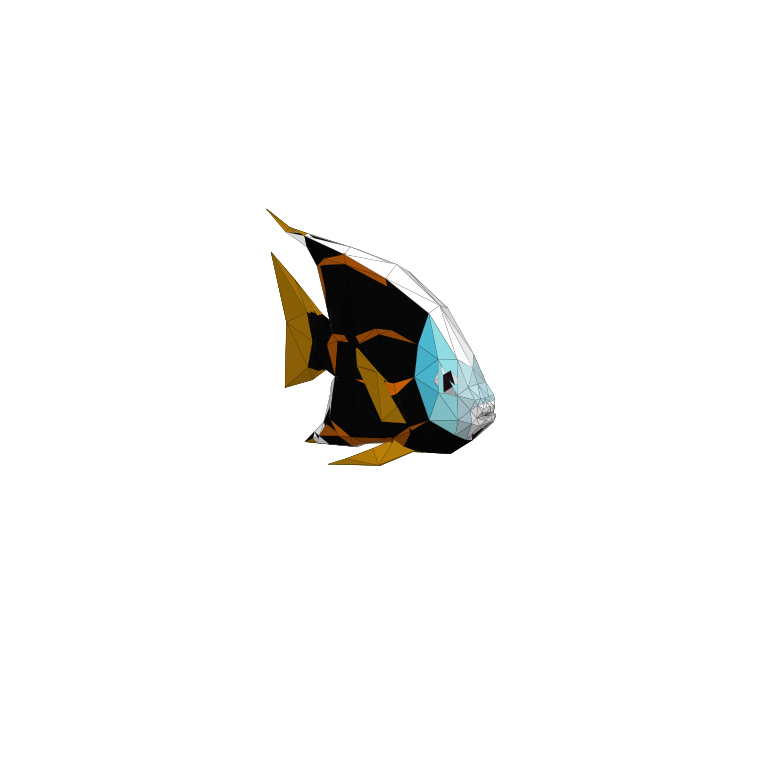
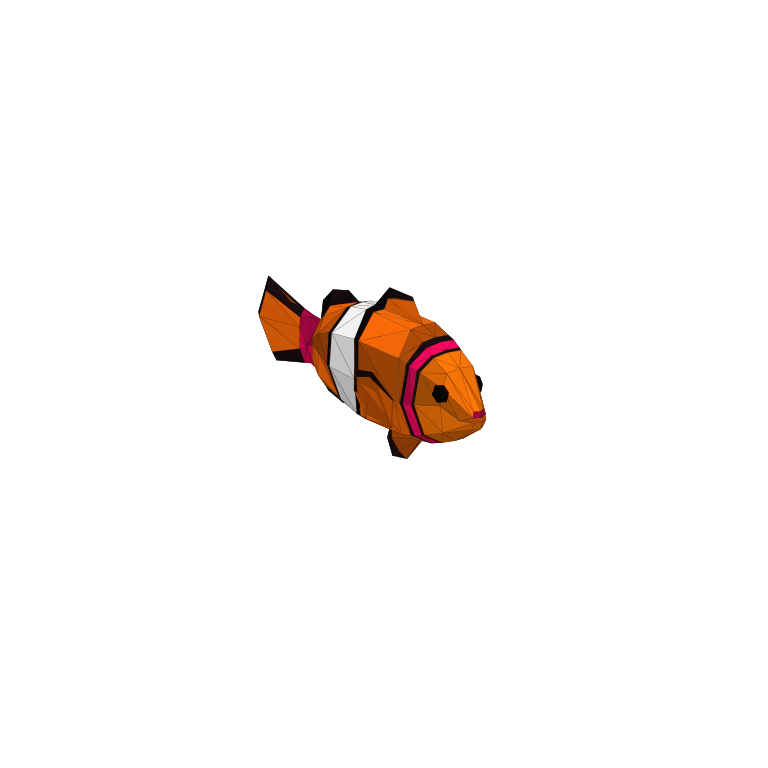
The Clownfish setup is Fishing Rod plus Standard Lure on Desert Island. It belongs to the ordinary creature list, separate from Blue Shark and the Carrot-triggered Pufferfish boss.
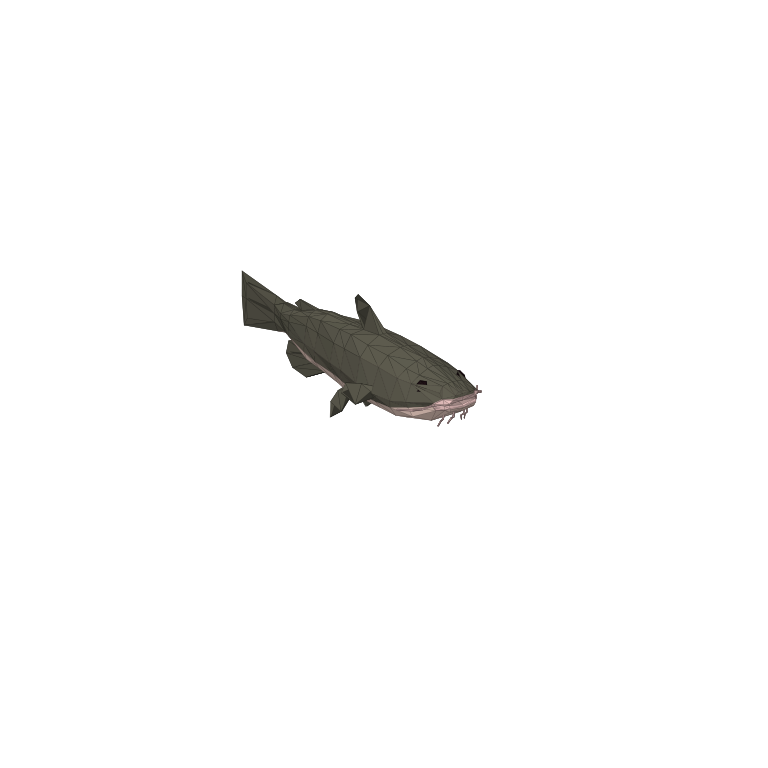
Catfish and Bowlfish also use Standard Lure. If your Desert collection has gaps, compare the exact names before moving on to Professional Lure at Rocks Island.
Do not fill missing prices by analogy
Clownfish has a recorded base of 46 coins, equal to Catfish. Bowlfish’s value is not established in this snapshot, even though it shares the same lure.
Use the 46-coin figure only for Clownfish’s raw base. A neighboring entry in the same pool is not evidence that another species has the same price.
Use a named checklist for the ordinary Desert pool
Clownfish is a practical reason to keep a Desert list organized by exact names. Catfish shares its 46-coin reference, and Bowlfish shares the Standard Lure pairing, but neither result fills the Clownfish entry by analogy. Start with the Fishing Rod and Standard Lure, then identify each catch before marking a collection task complete.
If several Desert entries are missing, the same ordinary setup can support a broader session. Keep a short list beside the game and remove a name only after checking its in-game result. A trip can make useful progress without producing every missing creature, so decide the supply limit before treating a remaining Clownfish gap as a reason to continue indefinitely.
Compare equal-priced catches in a real ledger
One unmodified Clownfish and one Catfish add up to 92 coins, because both recorded bases are 46. Two Clownfish also total 92 under the same assumptions. For that particular cash example, the species mix is interchangeable; for a collection list, the first pair may resolve two gaps while the second resolves only one.
Subtract the actual spending after adding receipts. If the example involved two Standard Lure purchases at 15 each, the difference is 62 coins before ammunition and food. If one purchase supported the whole pair, it is 77. These are alternative accounting examples rather than claims about lure lifespan or the number of catches a purchase guarantees.
Leave Bowlfish out of unsupported price comparisons
Bowlfish does not have a stable raw base recorded in this dataset. The similar name and shared lure are not evidence that it also sells for 46. A comparison that assigns a made-up price would make a mixed-haul total look precise without being supported. Use the current sale offer if your actual session includes Bowlfish.
This also matters for equipment budgeting. You can calculate the known portion of a haul from Clownfish and Catfish, then add the observed receipt for an unpriced entry. Keep the observed value identified as coming from your game and its current conditions, rather than quietly rewriting the historical base table from one possibly modified offer.
Treat alternative results as progress where appropriate
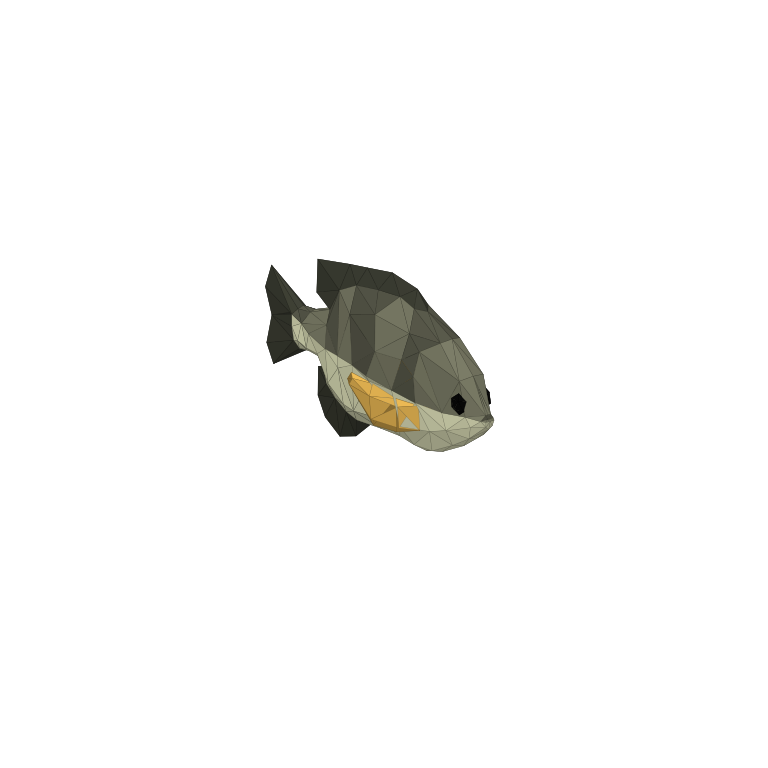
Angelfish and Bluegill have recorded bases of 62, Yellow Boxfish 53 and Sea Urchin 52. These are all distinct Standard entries that can be useful during a Clownfish search. Sea Urchin’s Special classification does not remove it from the shared lure setup, while the larger Angelfish price does not make it the same collection result.
When income is the immediate goal, compare the actual haul against the planned purchase rather than judging the session solely by whether Clownfish appeared. When collection is the goal, keep the remaining name visible even after the money target is met. Separating those stopping rules prevents a successful sale run from being remembered as a completed roster.
Reserve quest candidates before a sale run
Standard fishing can also produce Needlefish or Seahorse, the reviewed Tourist trade examples. If Vacation is still open, put an accepted candidate aside before selling ordinary surplus. The role of Clownfish in this plan is routine collection and possible income, not an established replacement for either quest species.
After the Tourist exchange, keep the Carrot for Pufferfish. Do not infer that a Clownfish caught later replaces that special trigger. If the crew is also planning the Grillmaster route, distinguish the Blue Shark body from the Tourist’s candidate and the Pufferfish fin. Sorting by destination is more reliable than putting every Desert result into one shared pile.
Check the encounter result before assigning a use
A first named defeat and the later use of its body are separate decisions. Check Fishipedia for Clownfish, then decide whether the remaining object is being kept or sold. A website checkbox records your own note and is not connected to the game save, so it should follow the in-game check rather than replace it.
If the catch is already known, the bait-name hint added in Patch 1.1.3 offers another way to review a future setup. It does not supply the value of an unpriced neighbour, a Clownfish-specific spawn rate or a universal cooking return. Keep those questions separate from the simple confirmation that this species belongs to the ordinary Standard pool.
Review the remaining work before changing islands
Before switching to Professional Lure on Rocks, decide whether to finish the remaining Desert names now or schedule a later cleanup. A familiar real-world species name is not evidence that Clownfish belongs to every water body. This reference associates it with the Desert Standard tier, so changing tier should be a deliberate route decision.
Guide images
View 5 related images