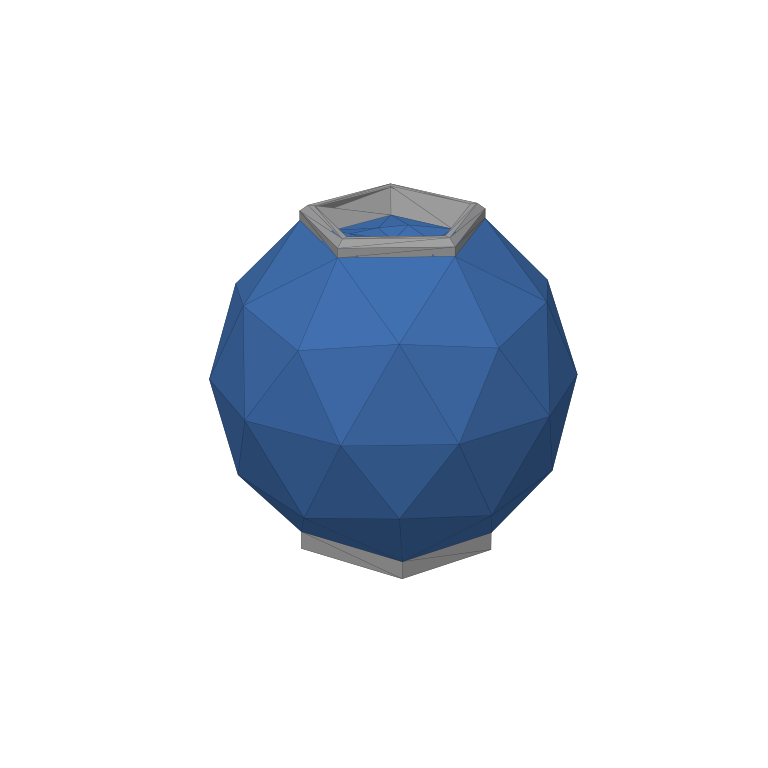
- Island reference
- Desert Island
- Tool
- Fishing Rod
- Bait or encounter
- Standard Lure
- Recorded raw base
- Not established
- Entry type
- Fish · not a boss
Game version and evidence: Entity facts retain the guide’s Patch 1.0.10 snapshot (2026-08-28); the newly written notes are not a current-build playtest. Fixed values are raw bases, not guaranteed sale offers. Patch 1.1.3 adds bait display after a first kill in Fishipedia; use your current game to check a returning catch.
Game imagery: How to Fish by Dazed Games. Rights remain with the respective owners. Media and source notes.
Read the complete name
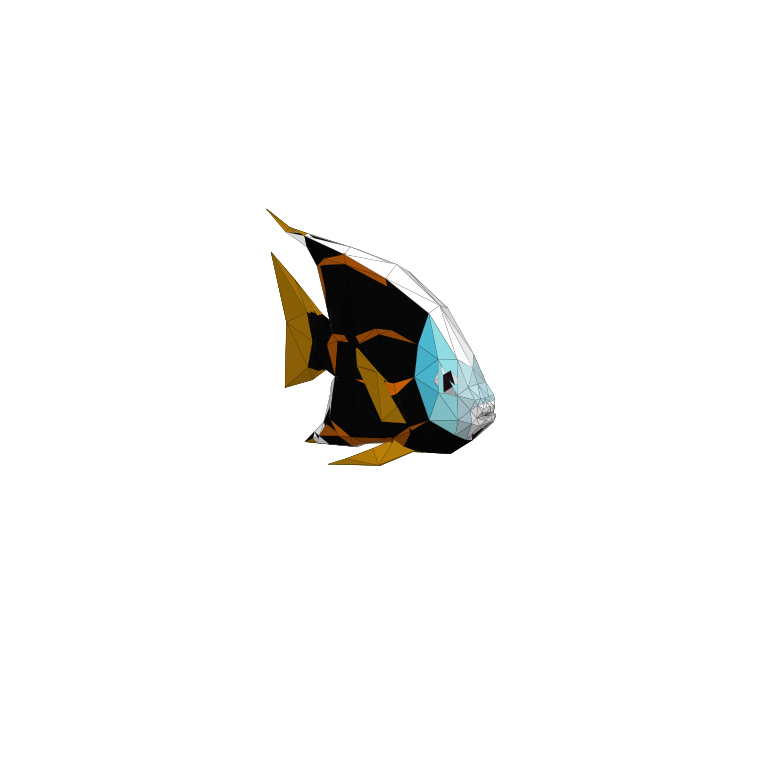
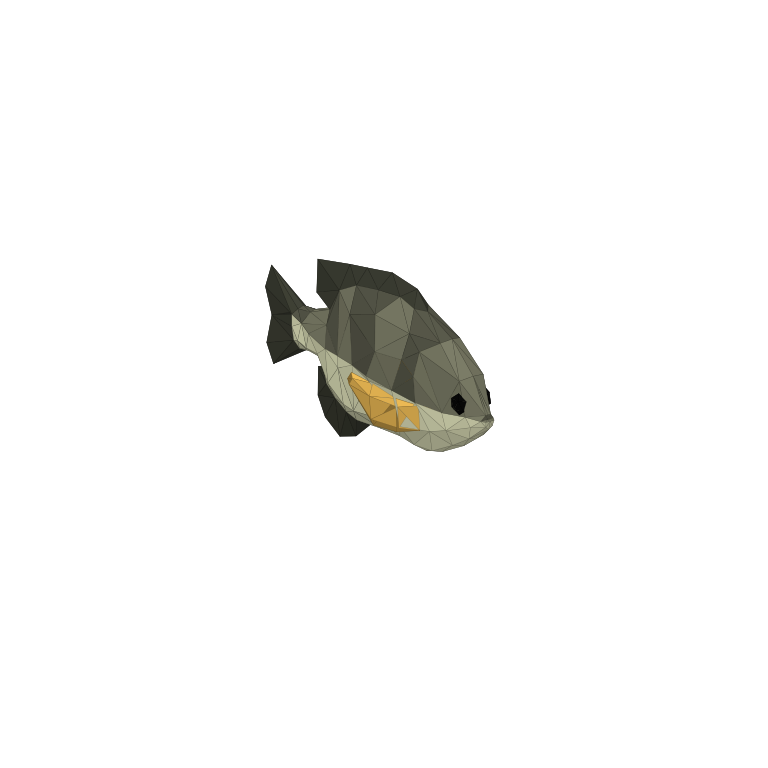
Bowlfish is an ordinary fish associated with Desert Island, the Fishing Rod and Standard Lure. It is not Bowhead Whale, which belongs to the Volcano finale and has a different setup.
If a search result or checklist highlights the letters “bow,” use the full creature name to choose the right guide. Bowlfish remains part of the regular Desert collection.
An unknown value is still useful information
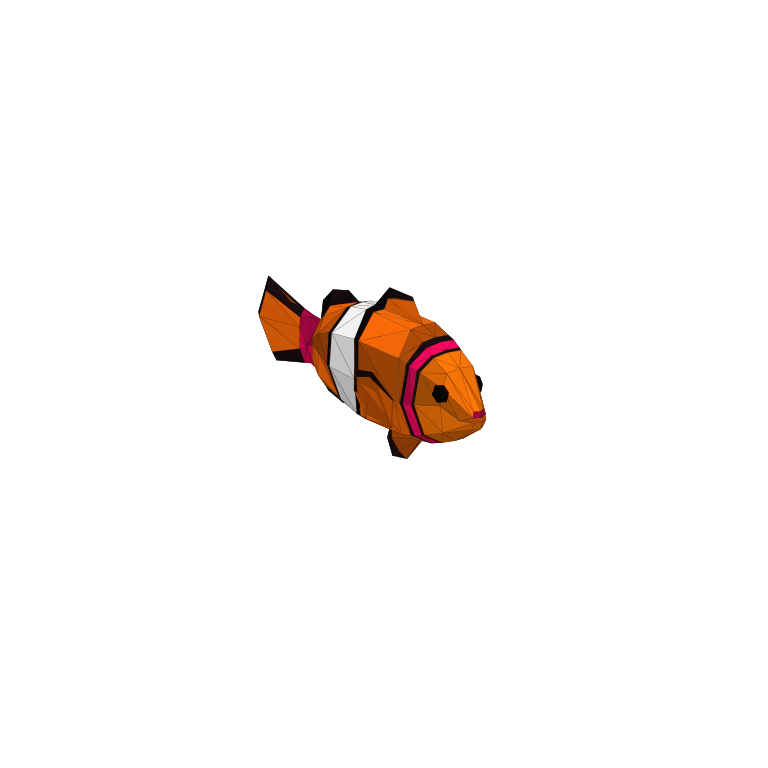
The reviewed dataset has no stable fixed base for Bowlfish. Do not reuse Clownfish’s 46-coin value or another Standard catch’s price to fill the gap.
Check the offer in the current game if you need a budget figure. The island and lure fields can still guide a collection attempt without claiming a sale value that was never established.
Make this a collection-first visit
Bowlfish has a useful location and equipment record even though its raw value is not established. Use the Fishing Rod with Standard Lure on Desert Island and make the named entry the primary objective. A successful collection attempt does not require a published price, and an unknown price is not evidence that the creature is worth zero.
Before buying tackle, check which other Standard entries remain unfinished. A mixed-pool visit can serve Bowlfish, Clownfish, Catfish and several other names together. Keep a definite spending limit so the absence of a precise sale forecast does not become an excuse to keep purchasing supplies without knowing what the next trip is meant to achieve.
Read the lure name in full
The regular Standard Lure has a fifteen-coin reference price and is the pairing recorded for Bowlfish. The Standard Boss Lure is a 280-coin dedicated Blue Shark purchase. Their shared tier name does not make them interchangeable. When Bowlfish is missing, a more expensive boss purchase is not an evidence-based improvement to the ordinary setup.
The same discipline applies to special Desert bait. Coconut leads to Bing Bong in the record, and the Carrot obtained through the Tourist starts Pufferfish. These are reasons to change the plan for different targets, not alternative Bowlfish recommendations. Organize your purchases by the named creature or quest step they support.
Calculate the known portion of a mixed haul
Suppose a session produces Bowlfish, Catfish and Yellow Boxfish, and you intend to sell all three. The documented unmodified bases for Catfish and Yellow Boxfish total 99 coins: 46 plus 53. Leave Bowlfish as an observed receipt to add later instead of inserting a guessed value into the total.
If the session used two fifteen-coin lure purchases, the known 99-coin portion minus those purchases is 69 before other spending and before the Bowlfish receipt. That is a transparent partial calculation. It does not claim the example catch sequence will occur, and it does not imply that the unknown creature pays for any particular number of attempts.
Distinguish a sale offer from a raw base
When you do obtain a Bowlfish offer, record the conditions with it. A displayed final value may include earned bonuses or another modifier, so one number is not automatically a stable raw base for the public table. The sale estimator is useful only when its inputs represent the question you actually want to answer.
For personal budgeting, the real offer is still useful: it tells you what selling that catch contributes now. For a correction to the species reference, keep the installed version, the displayed label and the relevant modifier state. That evidence is more informative than copying Clownfish’s 46 because the names and attached lure happen to resemble one another.
Keep similar names separate in the encyclopedia
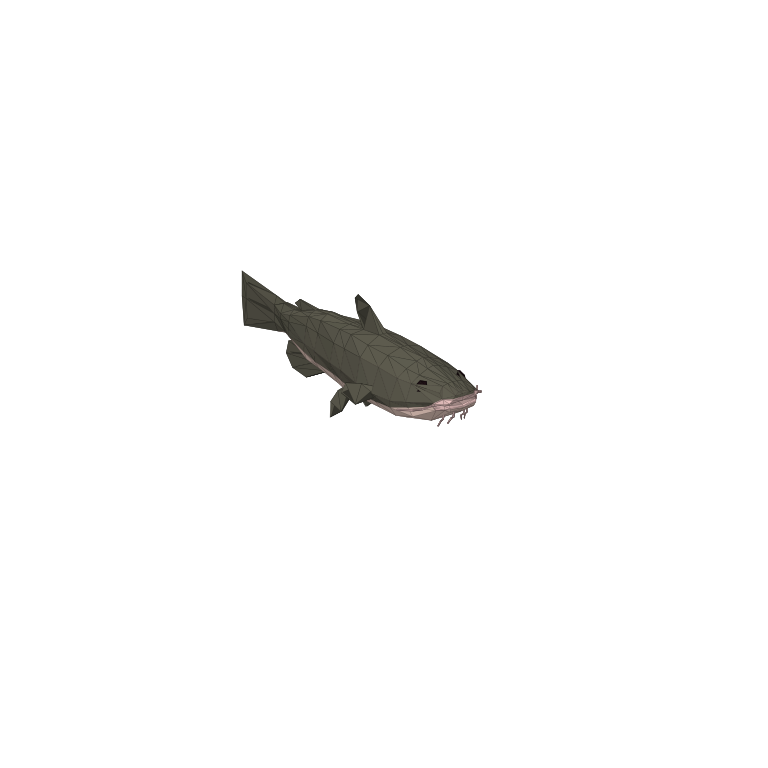
Bowlfish, Clownfish and Catfish are different entries. Finding a creature whose name ends in fish does not establish which of the three you have completed. Check the exact label after the relevant encounter, then update the collection note. This is especially important when a later price cannot be used to identify an unpriced species.
Patch 1.1.3 added bait-name information after a first kill, giving a returning player an in-game point of comparison for known creatures. Use that hint to review the setup rather than treating this website’s checklist as connected save data. In a shared session, each player concerned with personal completion should inspect the progress actually shown in their game.
Interrupt the cleanup for an accepted quest catch
A Standard session can produce Needlefish or Seahorse while you are looking for Bowlfish. Those are the two Tourist trade examples in the reviewed route. If the Carrot objective remains open, check the request and reserve a suitable result before selling the rest. The collection visit can then advance the story without changing its equipment.
Bowlfish is not identified here as a replacement for that exchange. Neither an unusual appearance nor an unrecorded value establishes an endangered-species delivery. Keep the route order visible: accepted fish to the Tourist, Carrot for Pufferfish, then the fin back for progression. A sale total and an accepted hand-in answer different completion questions.
Finish the visit with a clear remaining task
Once Bowlfish is recorded, decide whether to continue the ordinary pool, sell surplus, prepare a boss route or leave Desert. That decision should follow the remaining names and quest state. Continuing with the same lure makes sense for other Standard gaps; changing to Coconut makes sense for the separately listed Bing Bong objective.
Guide images
View 5 related images