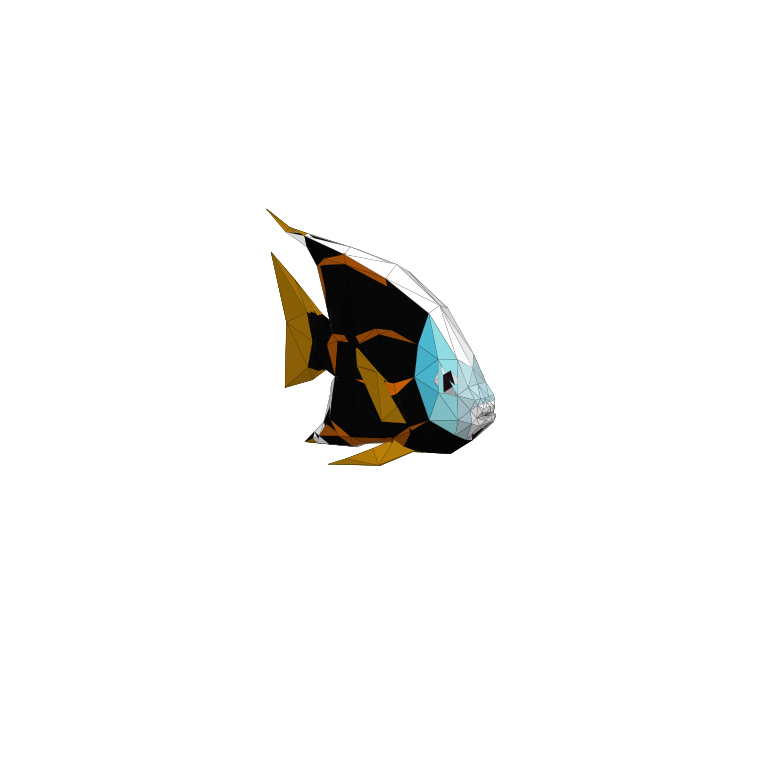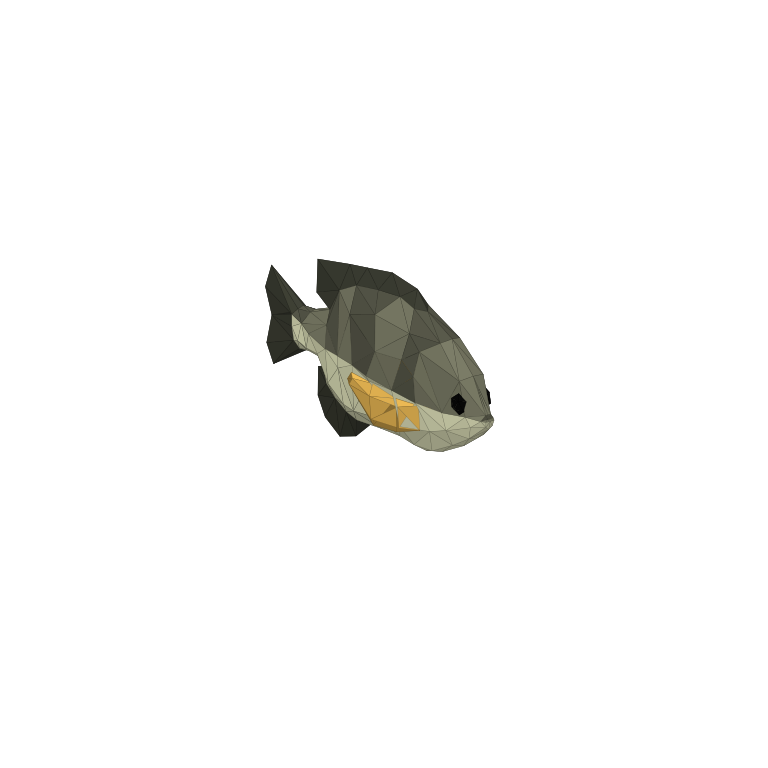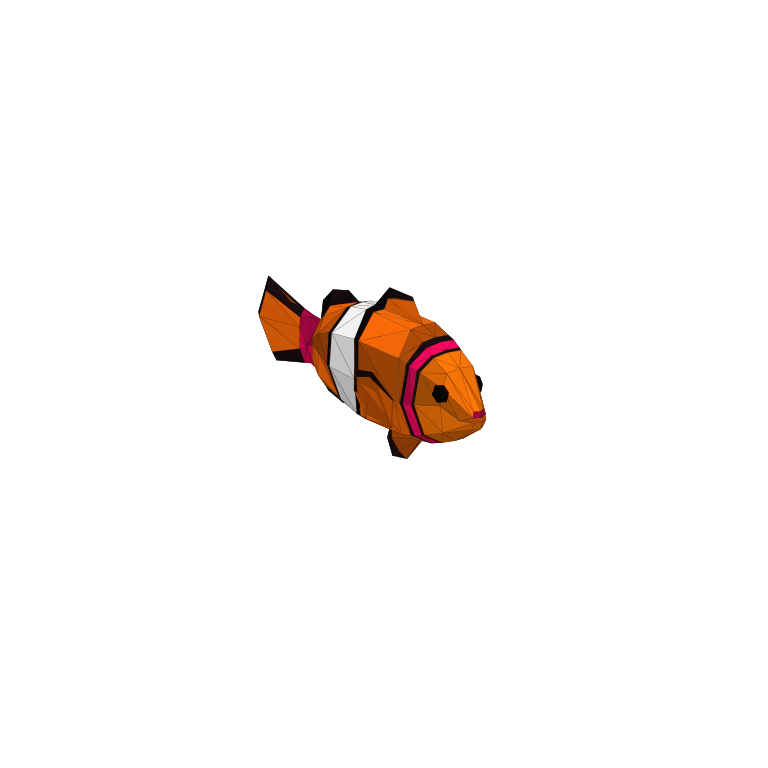
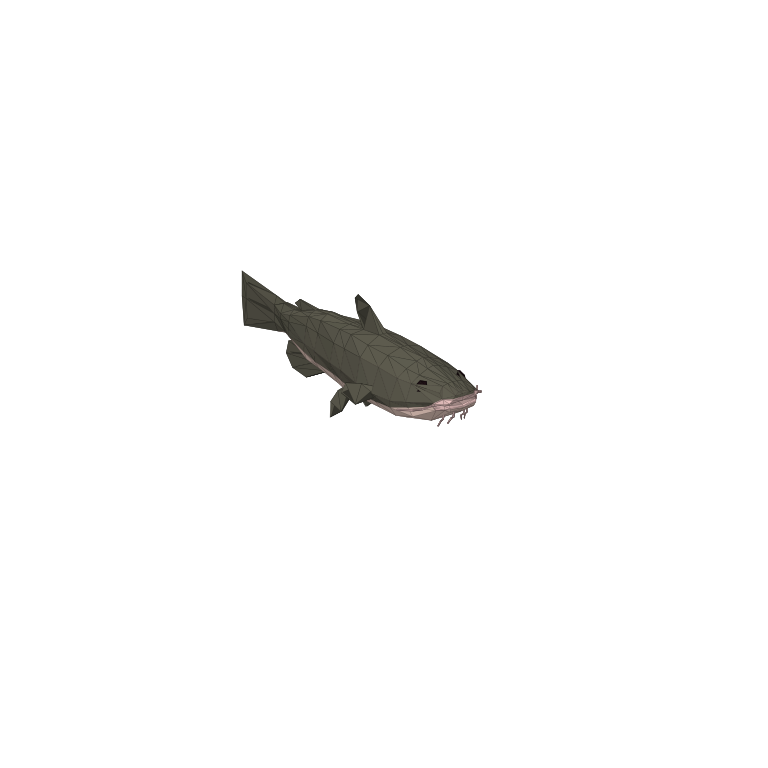
- Island reference
- Desert Island
- Tool
- Fishing Rod
- Bait or encounter
- Standard Lure
- Recorded raw base
- 46 coins
- Entry type
- Fish · not a boss
Game version and evidence: Entity facts retain the guide’s Patch 1.0.10 snapshot (2026-08-28); the newly written notes are not a current-build playtest. Fixed values are raw bases, not guaranteed sale offers. Patch 1.1.3 adds bait display after a first kill in Fishipedia; use your current game to check a returning catch.
Game imagery: How to Fish by Dazed Games. Rights remain with the respective owners. Media and source notes.
Keep working through the Standard pool
Catfish is an ordinary Desert Island fish with a Fishing Rod and Standard Lure pairing. It does not need the Standard Boss Lure used for the dedicated Blue Shark encounter.
Clownfish is another ordinary result in the same lure tier. If you need both names, check each entry individually as you work through the pool.
Interpret the forty-six-coin base
Catfish and Clownfish each have a recorded base of 46 coins. Yellow Boxfish is 7 coins higher and Bluegill 16 higher, before modifiers.
This table does not establish that a smaller base means a shorter fight or more frequent catch. Choose a collection route from the bait pairing, and calculate a sale from the creature you actually landed.
Fit Catfish into a Desert session
Catfish belongs to the Standard Lure stage on Desert Island. A useful collection plan is to keep a list of the ordinary Standard names, then check each new defeat against that list before processing the body. This is more precise than recording only that you have finished some Desert fishing, because Catfish and Clownfish remain separate entries despite a matching price.
For an income plan, decide what the money will buy first. Ordinary catches can support food, ammunition or equipment without directly completing Vacation. A Catfish sale contributes to that budget; the Tourist exchange and the later Pufferfish fin delivery remain separate progression tasks that should stay visible beside the fishing objective.
Distinguish the two Standard purchases
The ordinary Standard Lure costs 15 coins in the reference and is the recorded Catfish setup. Standard Boss Lure costs 280 and serves the dedicated Blue Shark encounter. The common word Standard describes the route tier; it does not mean these purchases share every eligible result. Spending 265 extra coins is not evidence of a better Catfish chance.
Before another purchase, read the attached item rather than relying on its colour or your memory of the shop. If it is the ordinary lure and other documented Standard creatures appear, the session may still be operating within the correct pool. A run of alternative results does not establish a new spawn rule or guarantee the next cast.
Put forty-six coins into a complete calculation
An unmodified Catfish base of 46 minus one 15-coin lure purchase leaves 31 coins before other spending. That is a narrow single-result example, not a recorded net return. Ammunition, replacement tackle, recovery supplies and catches kept for another purpose can change the cash outcome of a real session.
For a second illustration, two Catfish sold at their raw bases total 92 coins. Subtracting one Standard Lure purchase gives 77 before other costs; subtracting two purchases gives 62. Use whichever purchase history actually occurred. Do not silently assume a one-catch consumption rule when the source record establishes only the purchase price and eligible creature pairing.
Treat equal value as a budgeting shortcut
Clownfish shares the 46-coin base, so an unmodified Catfish plus Clownfish pair also totals 92. For that particular cash example, the species mix does not alter the sum. For collection, however, the mix can matter greatly: the first of each named entry serves a different checklist gap than two already known Catfish.
Yellow Boxfish stands seven coins above Catfish and Bluegill sixteen above it before modifiers. Those differences cannot rank combat difficulty or value per minute. If your current catch earns different sale bonuses, compare the final offers rather than assuming that the larger historical raw base must always produce the larger receipt.
Decide where the body is going before cleanup
Keep three possible jobs distinct: a named collection result, a sale receipt and food preparation. A first Catfish encounter can matter for the list even when its later body has a routine use. Decide which catches are being sold and which are being retained before the crew starts clearing an area full of mixed results.
If cooking is the reason for retaining an ordinary catch, follow the separate cooking guide and the current game state rather than assuming a raw base is also a cooked offer. Catfish’s 46-coin reference does not specify a universal cooking multiplier, a hunger recovery amount or the correct heating time. Those properties should not be invented from its sale comparison.
Let a quest candidate interrupt the sales routine
The Standard pool includes Needlefish and Seahorse, the two Tourist trade examples in the reviewed route. If one appears during a Catfish session and the Carrot objective is open, pause the usual cleanup and check the request. Securing an accepted candidate may be a better use of the result than another ordinary sale.
Catfish itself is not identified here as an eligible substitute. The catch’s price, appearance and shared island cannot establish that substitution. In co-op, agree who protects the trade candidate and who handles surplus stock. This keeps the collection visit useful without letting a seller accidentally remove the only item needed for the next story stage.
Investigate a missing Catfish name methodically
If Catfish remains missing, confirm the island, Fishing Rod and ordinary Standard Lure, then read the exact names of the catches you landed. The similar suffix in Catfish, Clownfish and Bowlfish is not shared collection credit. If you have already defeated Catfish, Fishipedia’s later bait display can help check a returning setup.
Guide images
View 5 related images