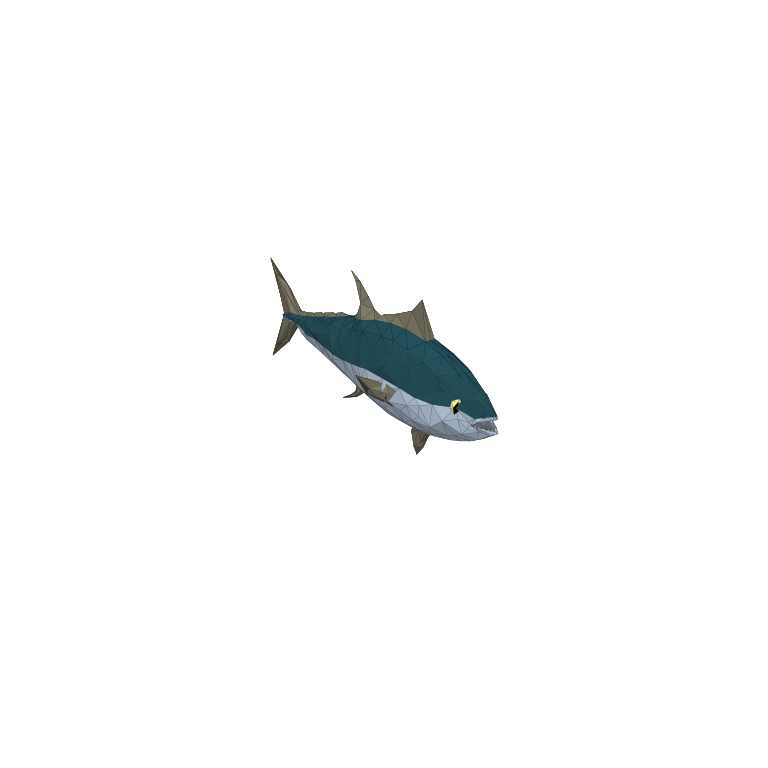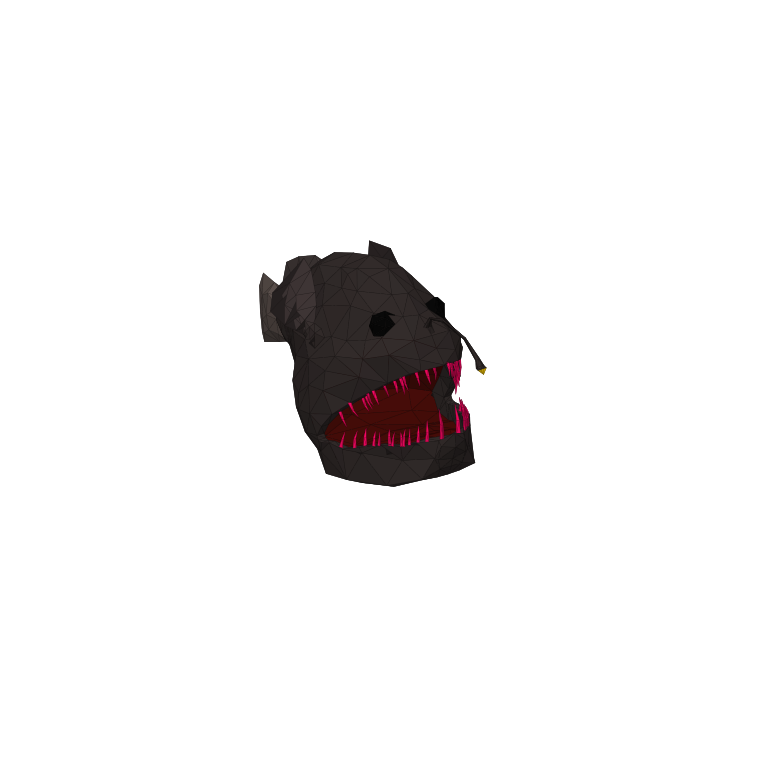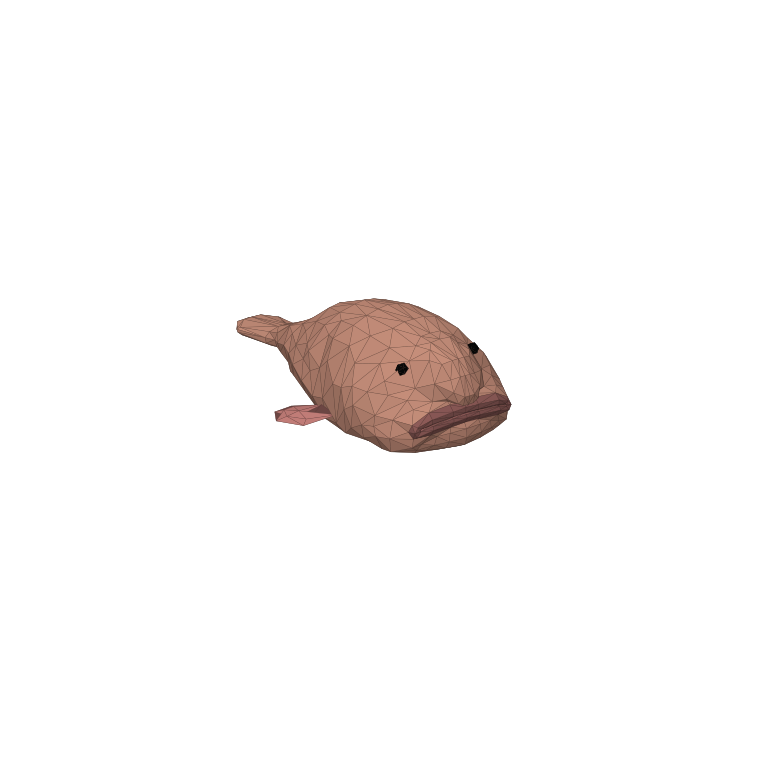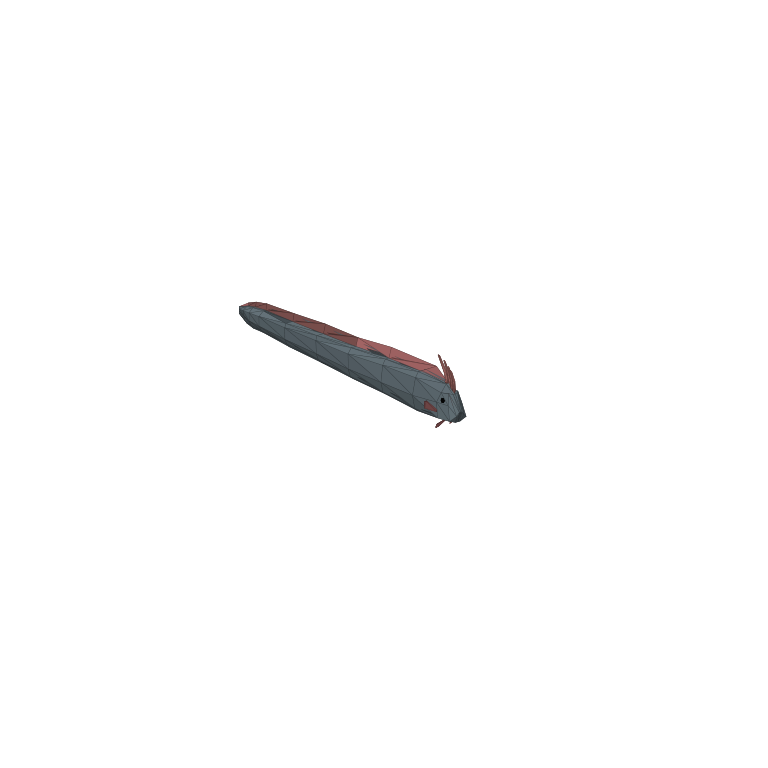
- Introduced at
- Forest Island
- Free Forest pool
- Mackerel / Gar / Pike
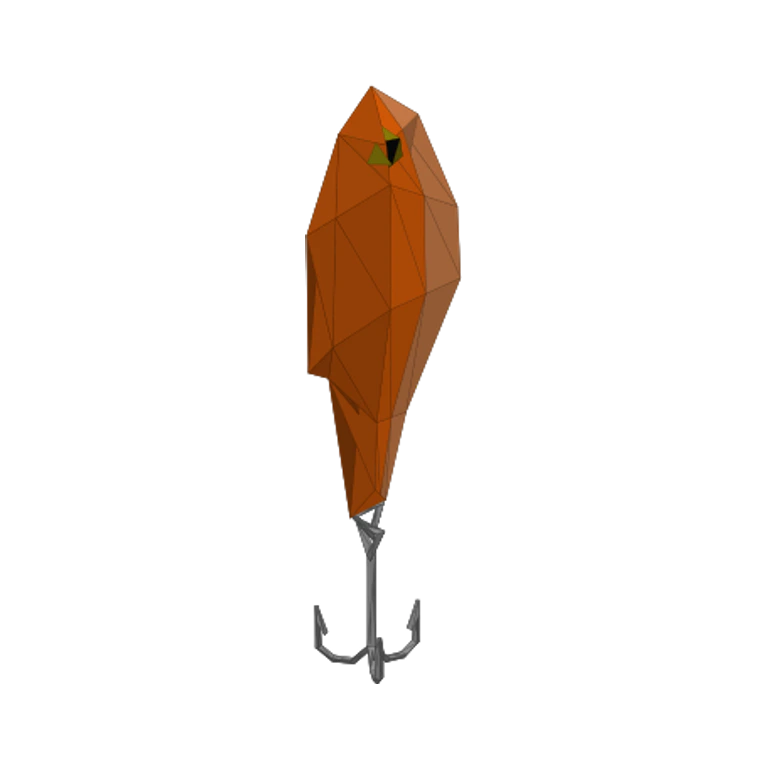
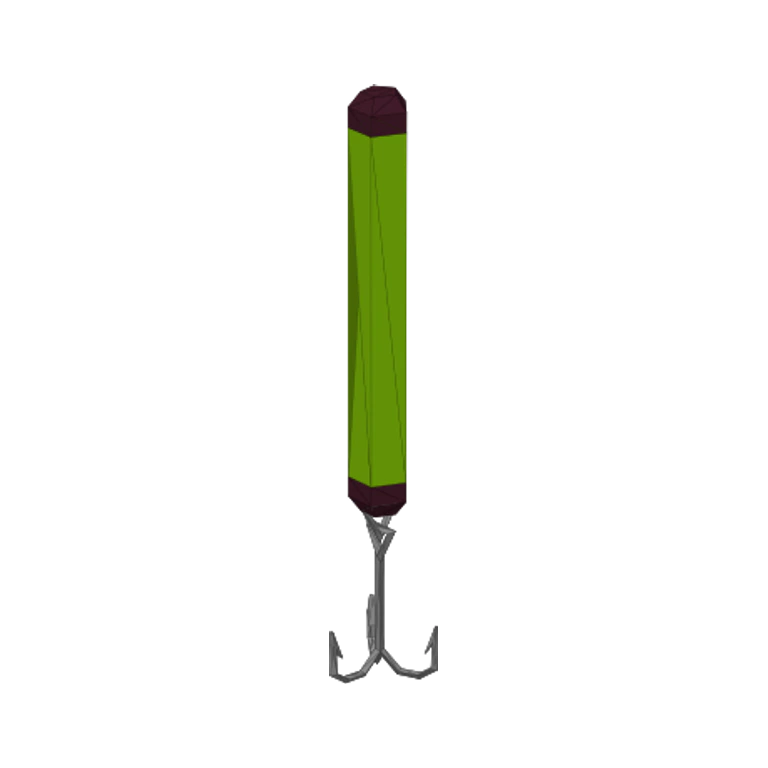
- Regular lure tiers
- Beginner, Standard, Professional, Scientific
- Earlier equipment
- Crab Fishing Rod at Lighthouse
Game version and evidence: Base equipment prices, damage and catch pools: Patch 1.0.10 reference. These figures are not a new playtest of the latest release.
Game imagery: How to Fish by Dazed Games. Rights remain with the respective owners. Media and source notes.
Begin with the free Forest pool
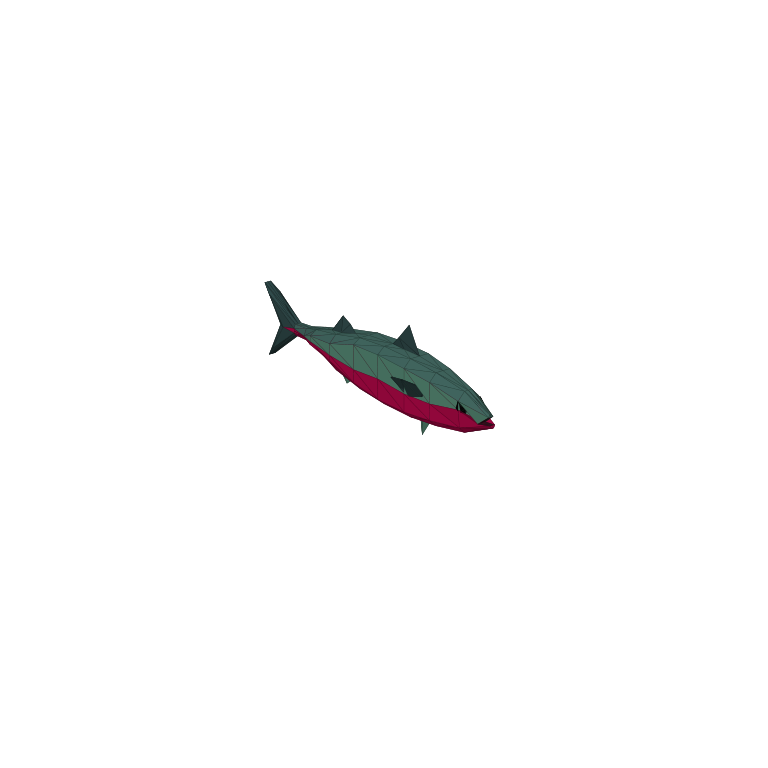
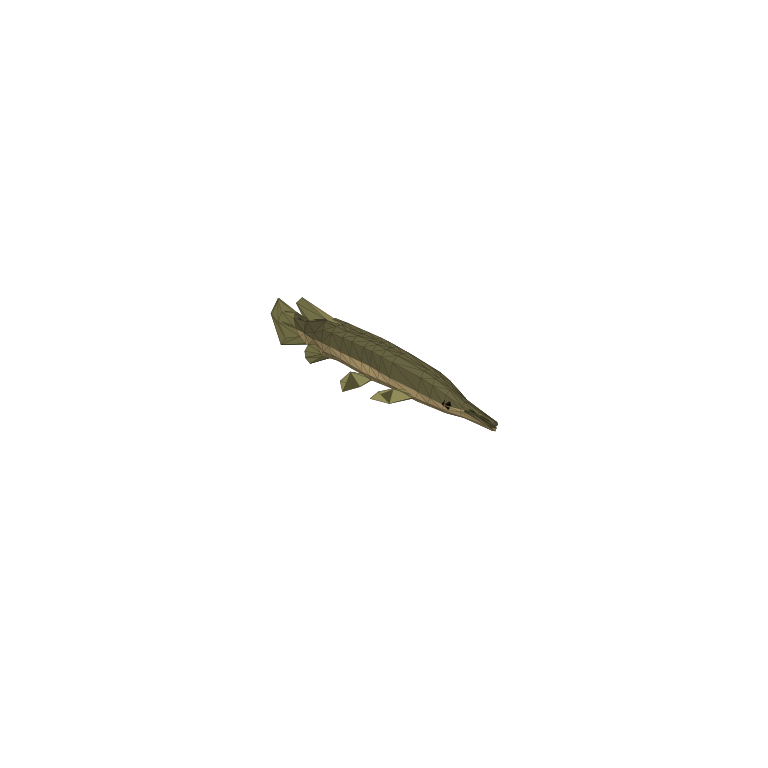
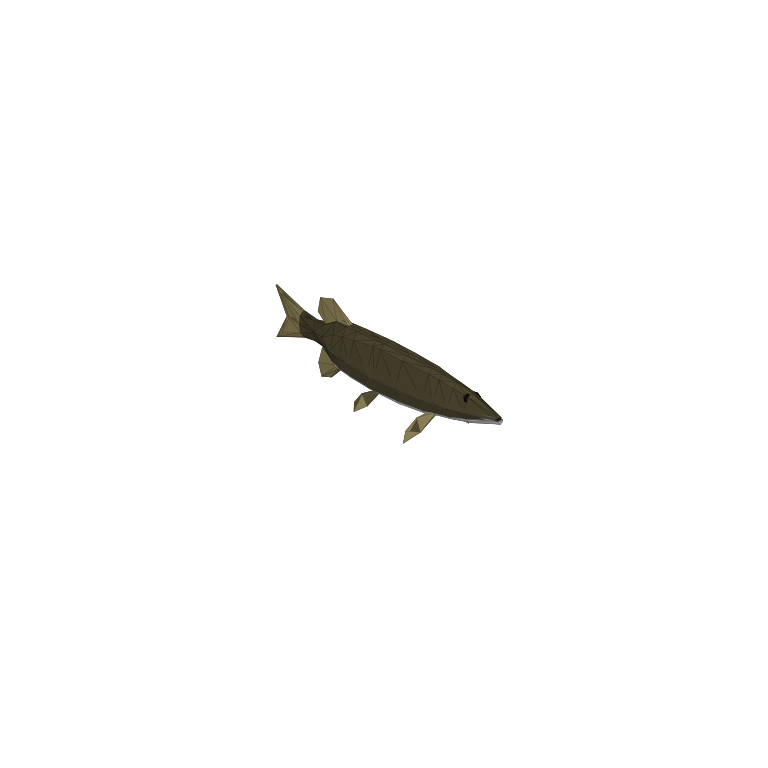
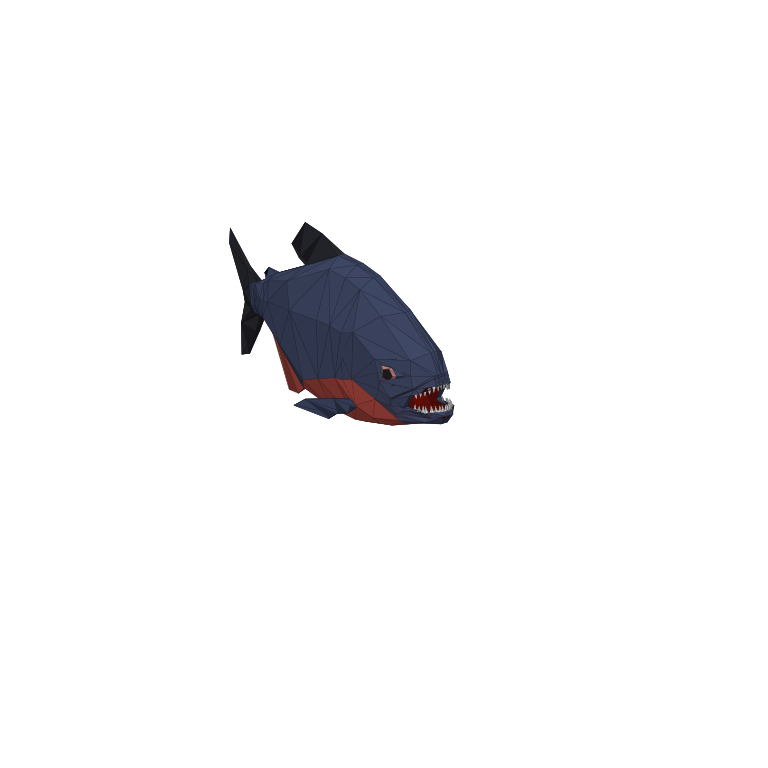
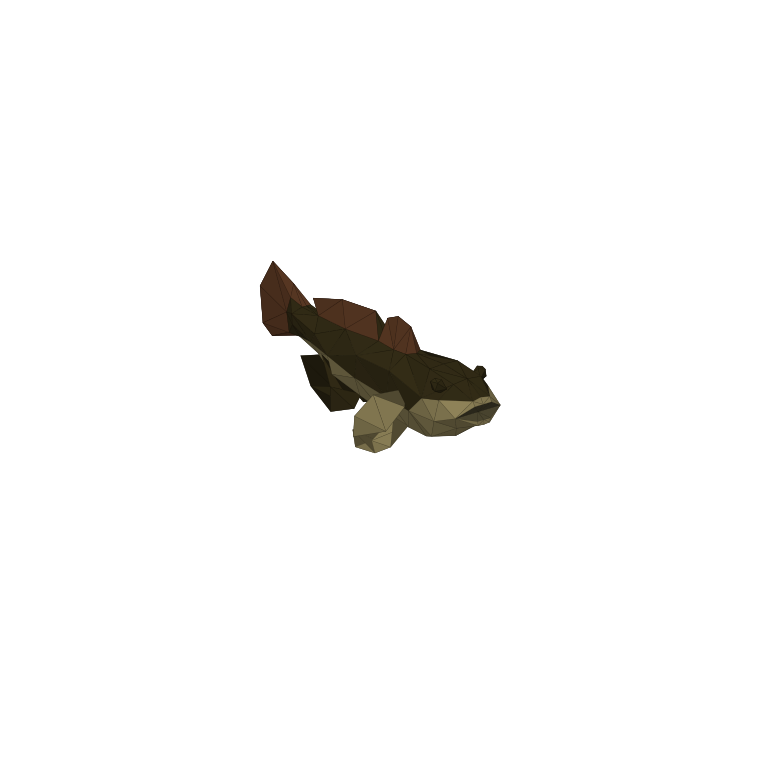
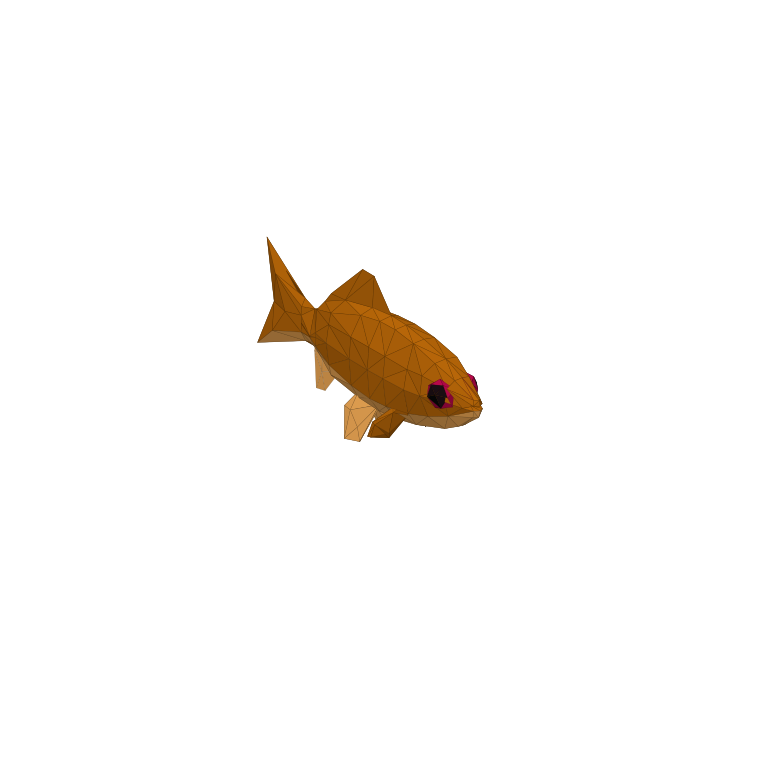
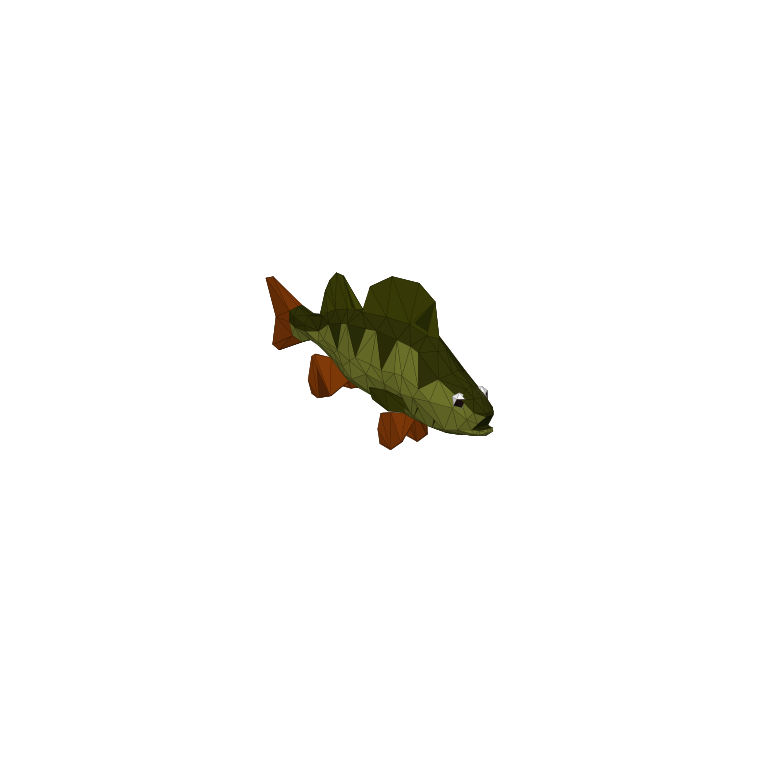
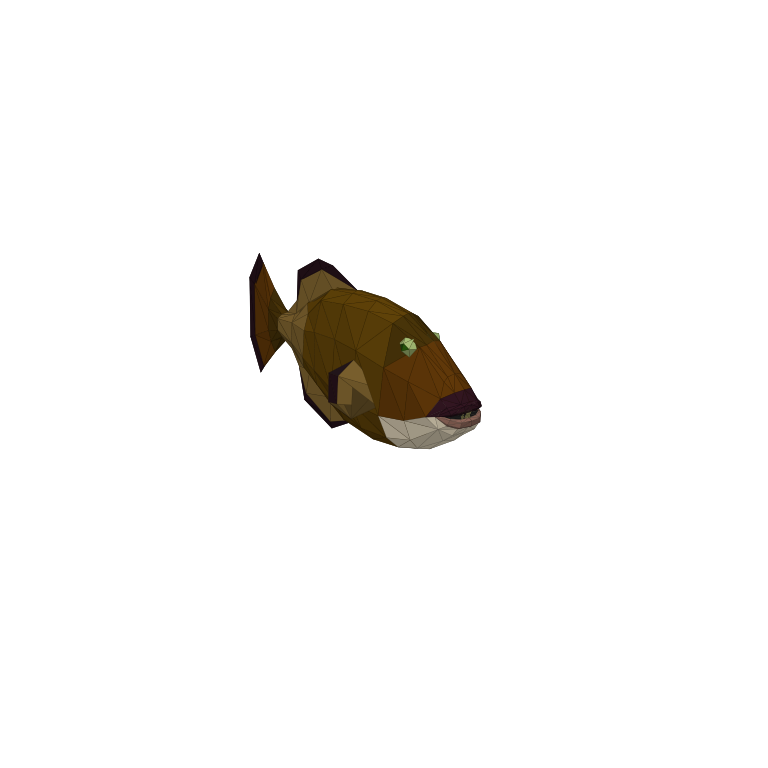
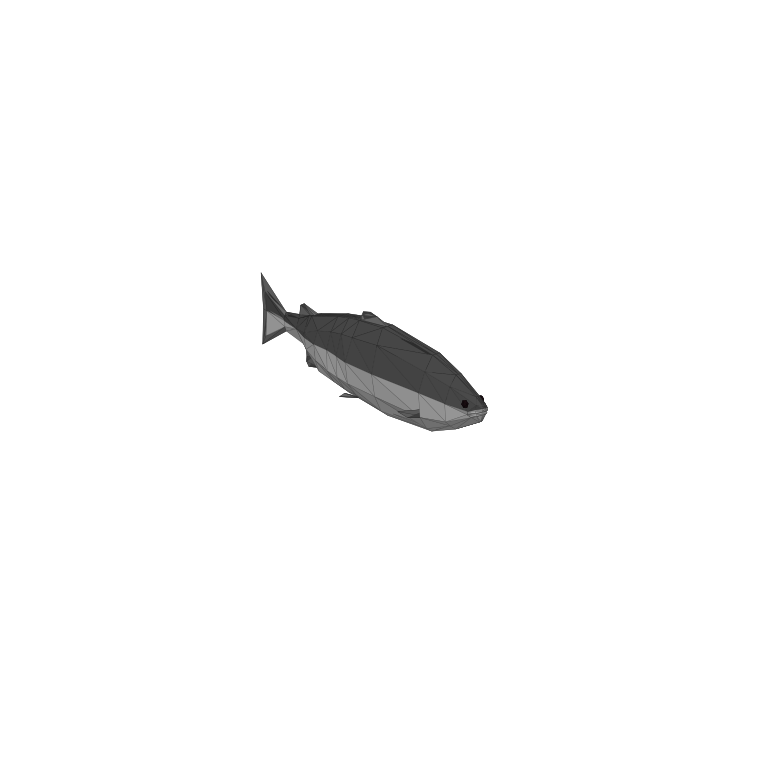
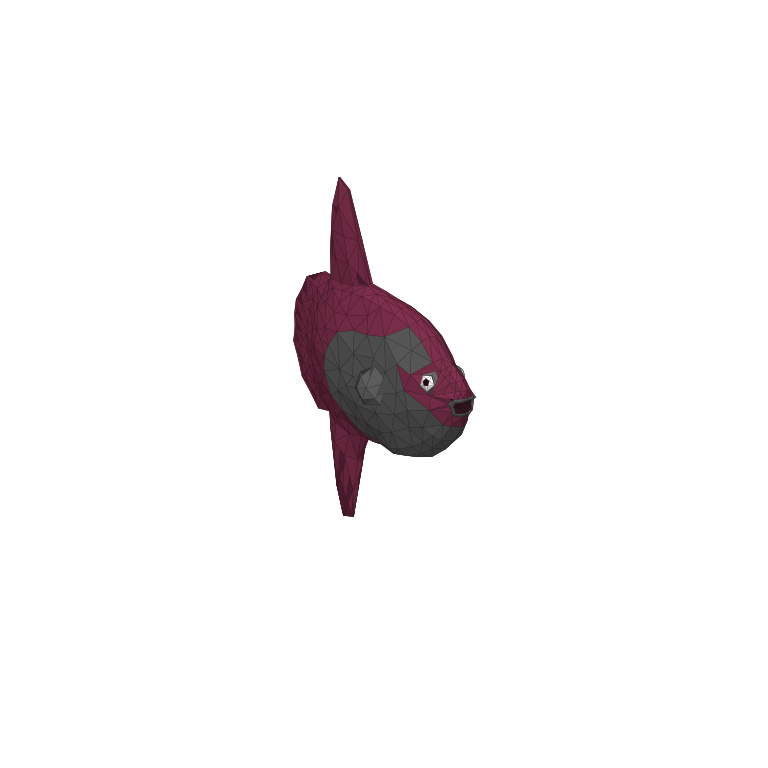
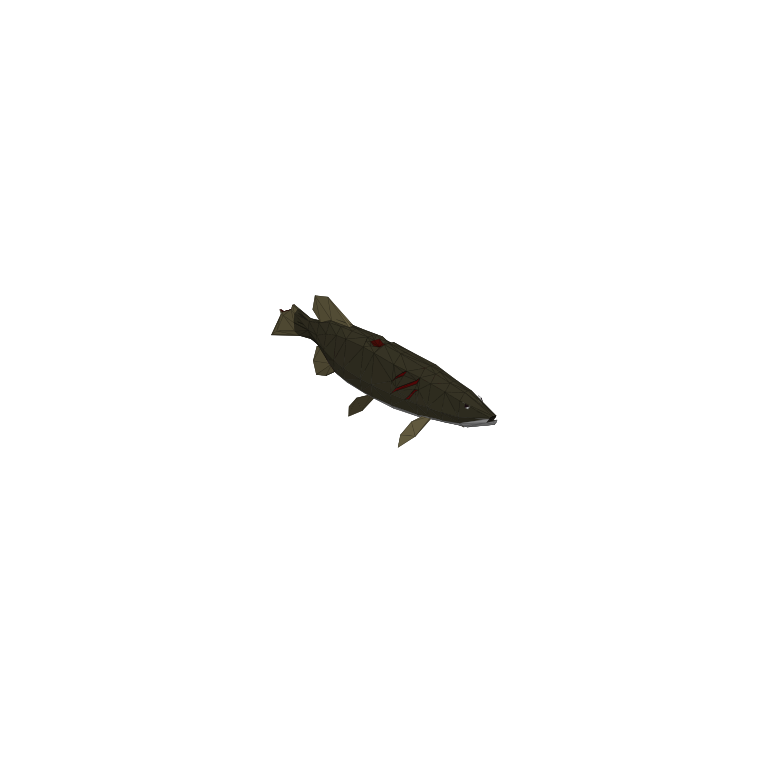
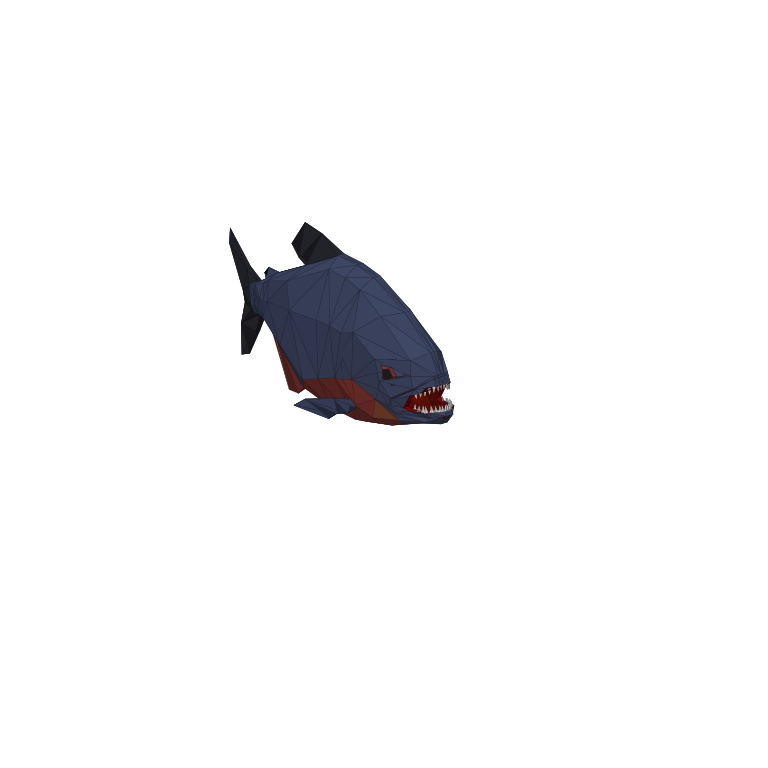
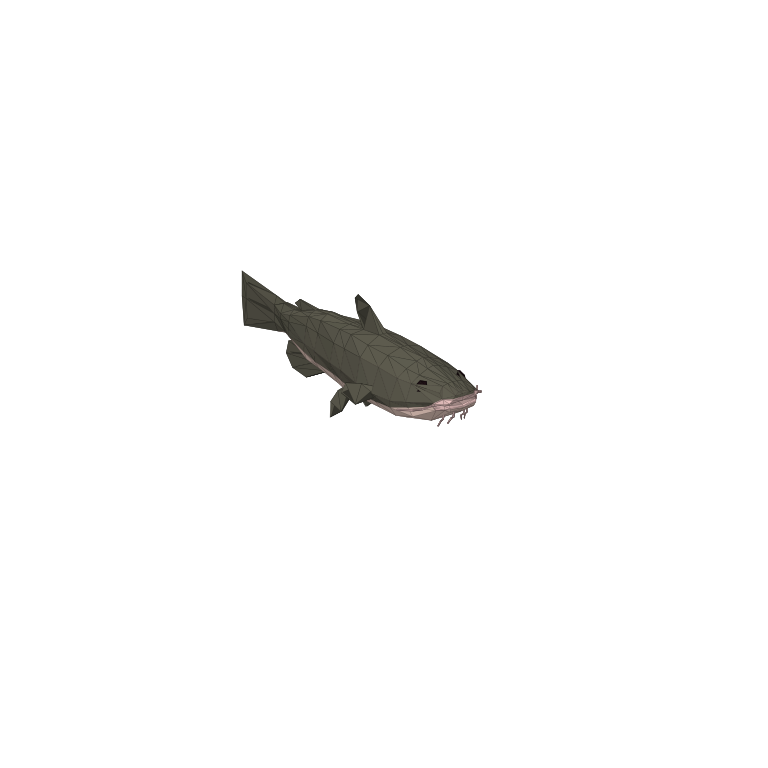
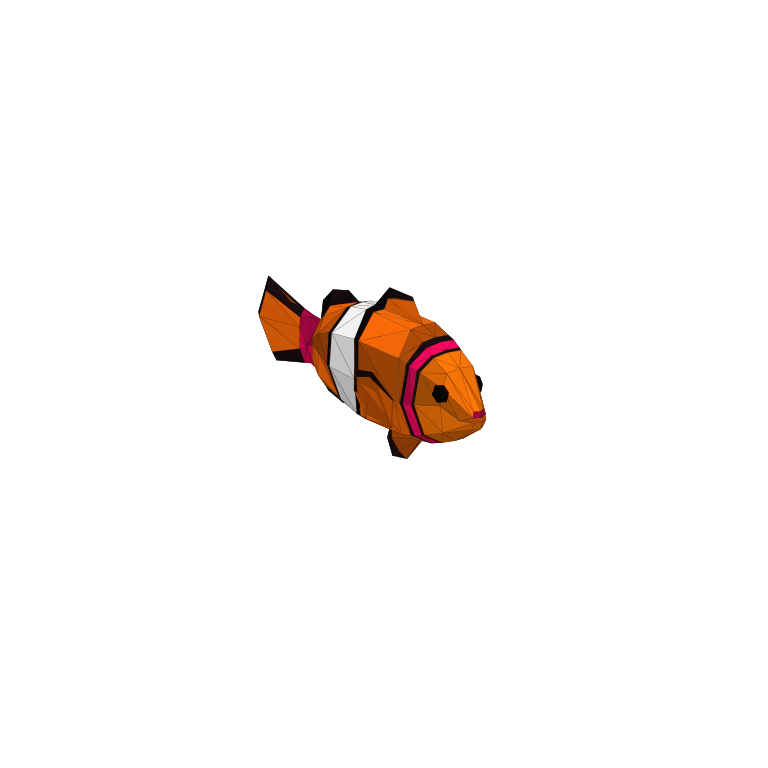
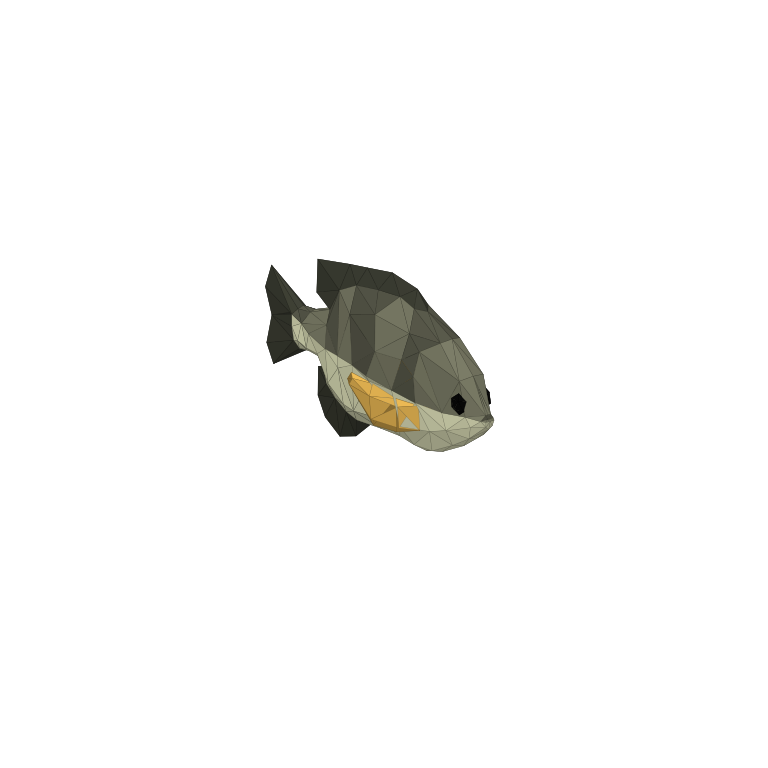
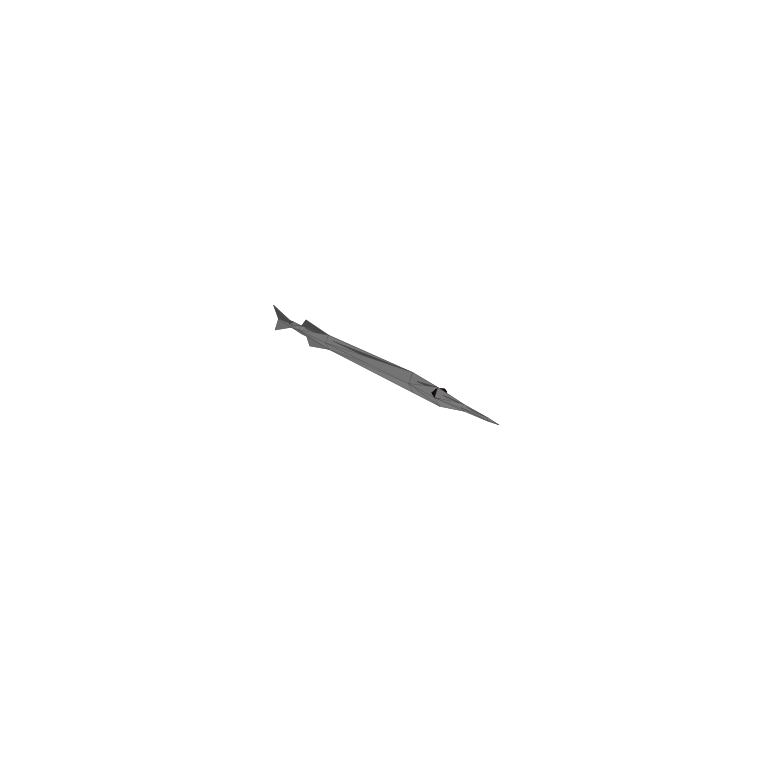
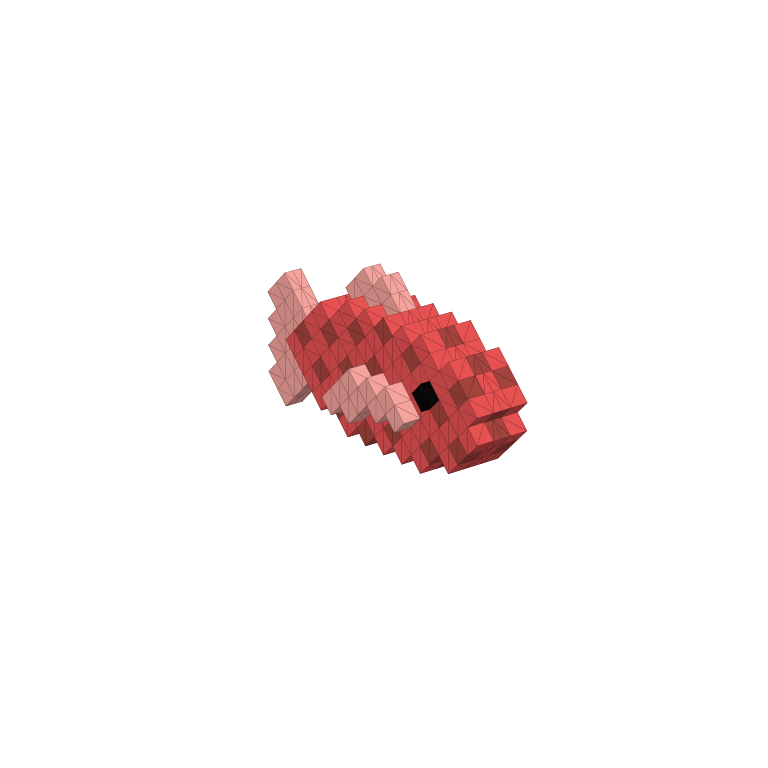
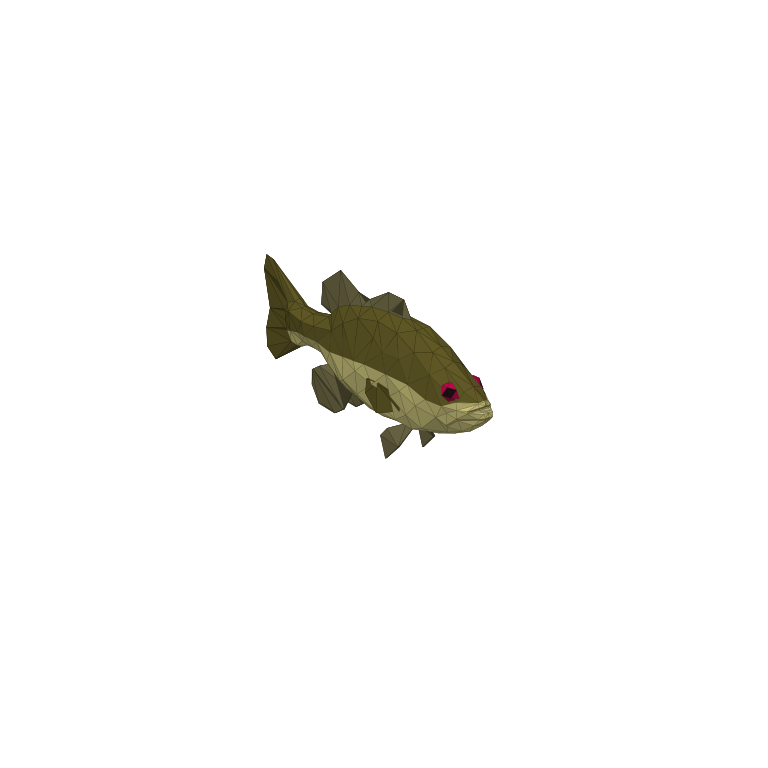
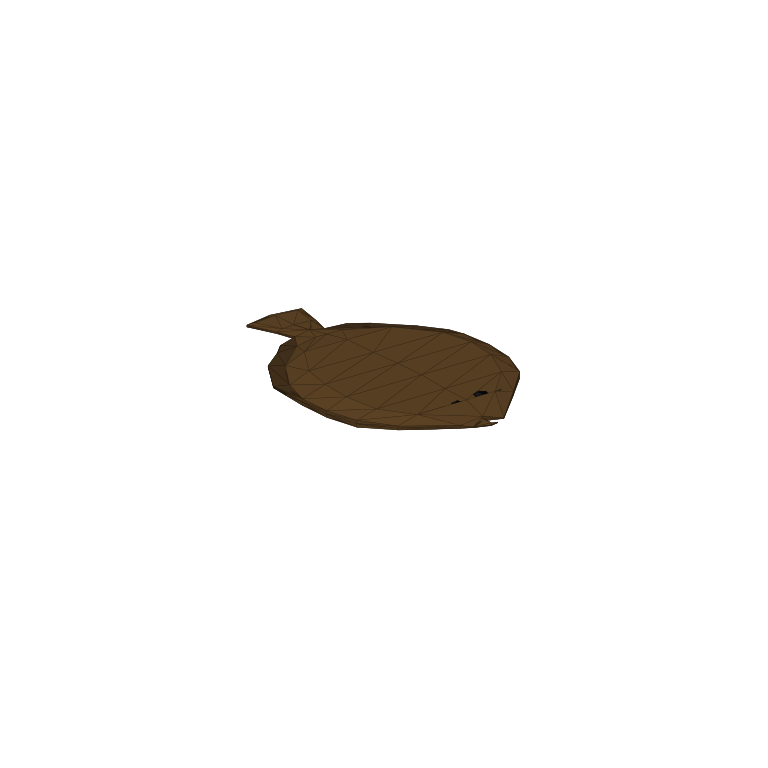
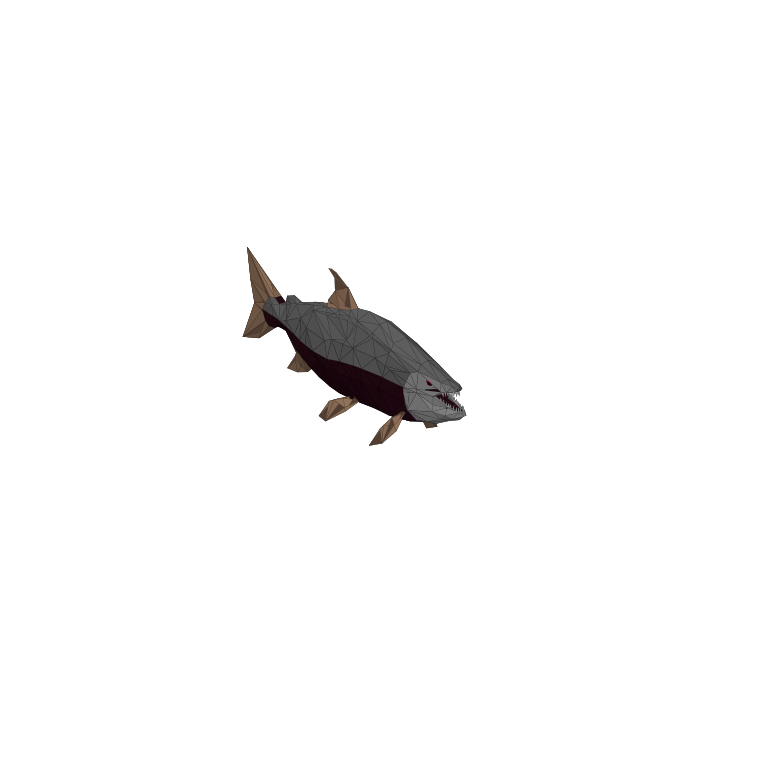
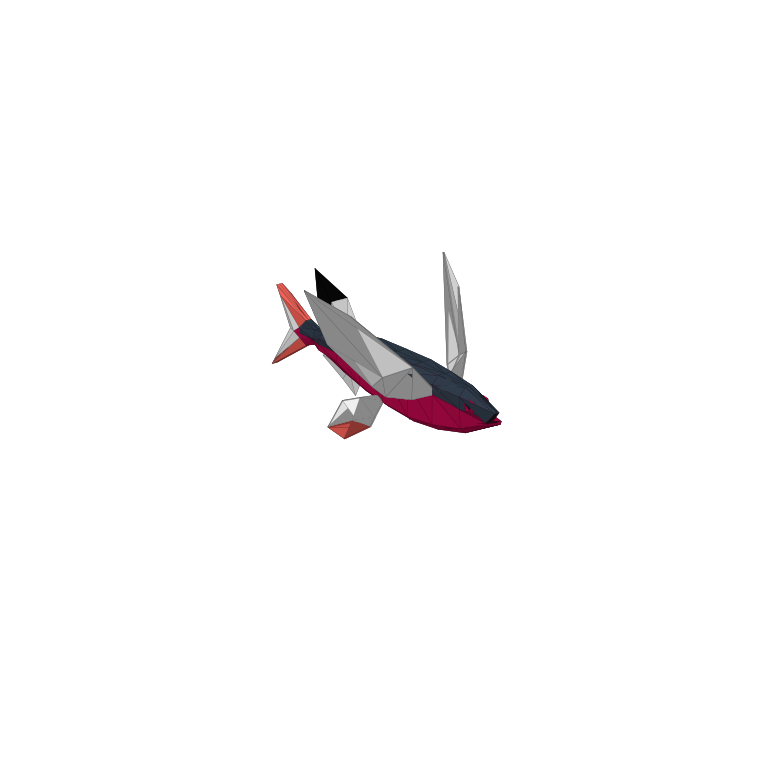
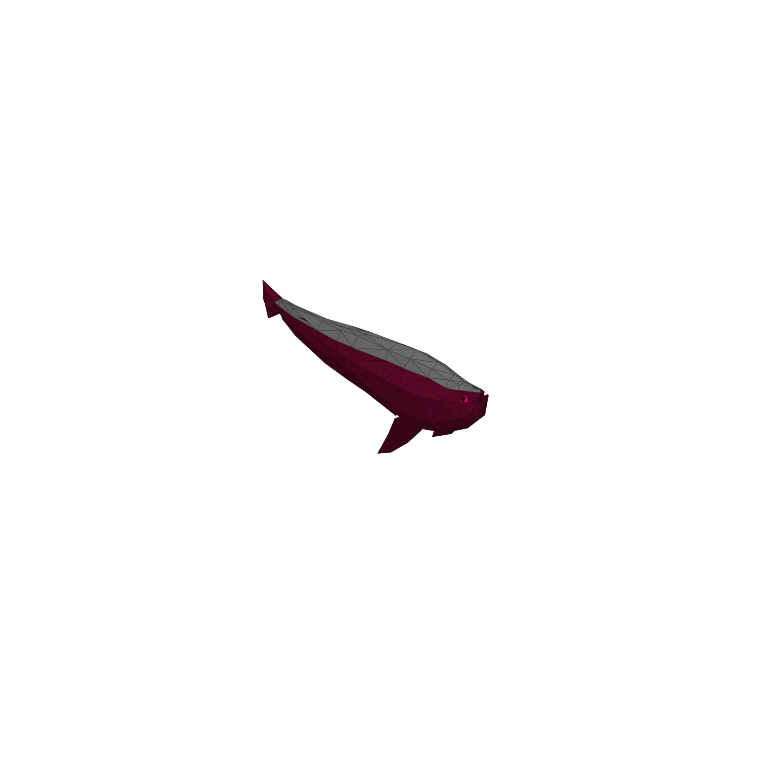
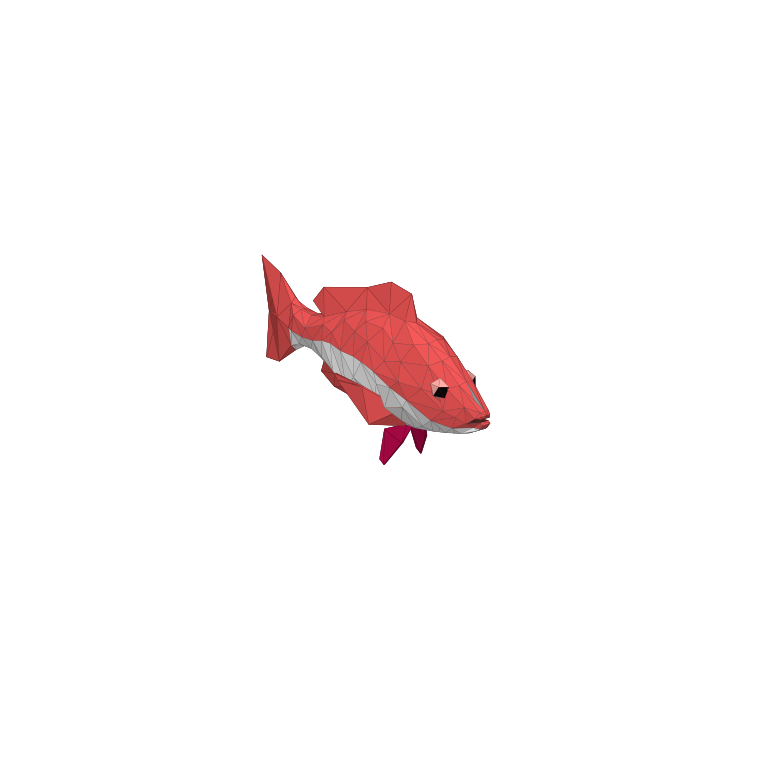
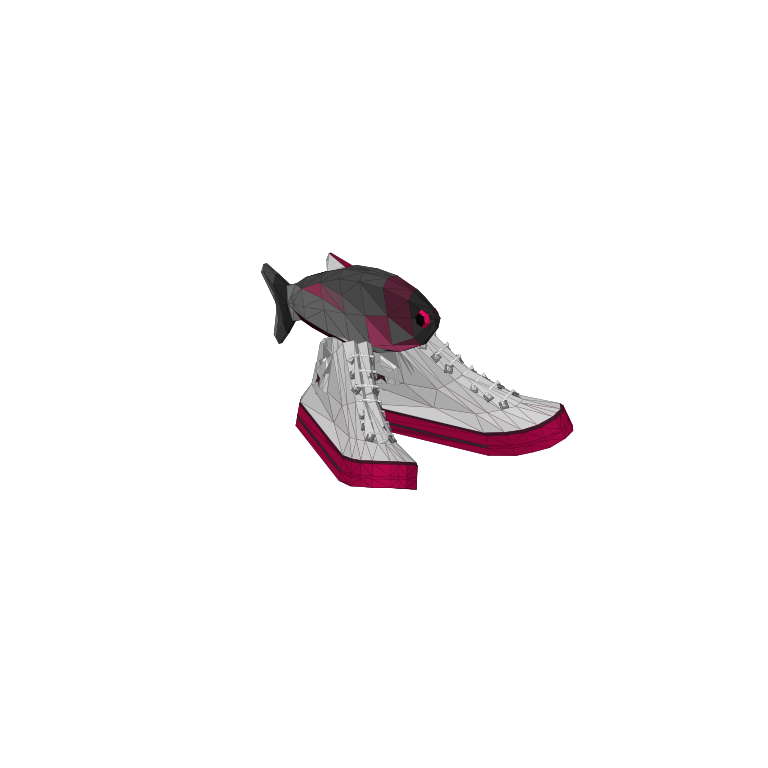
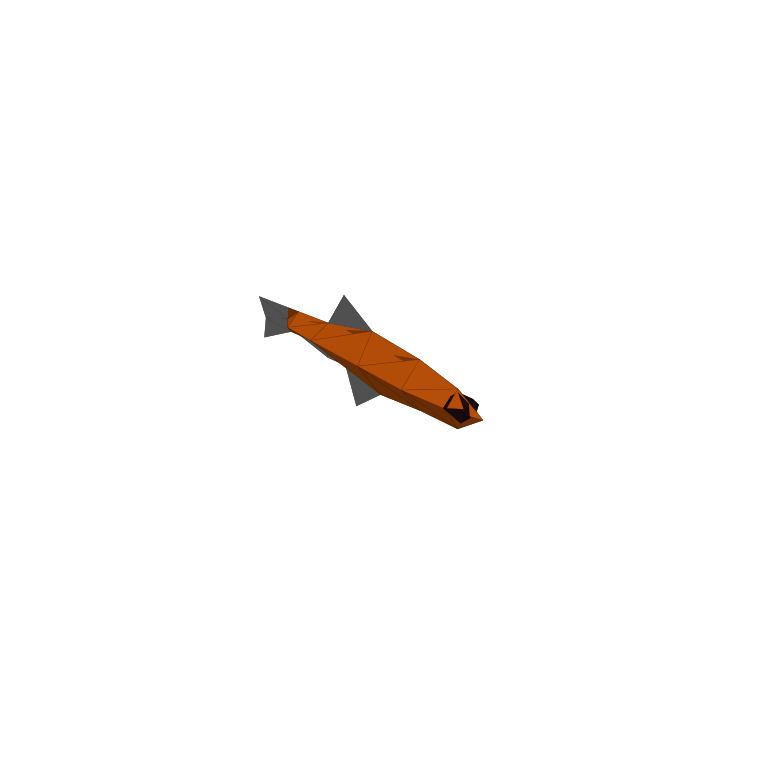
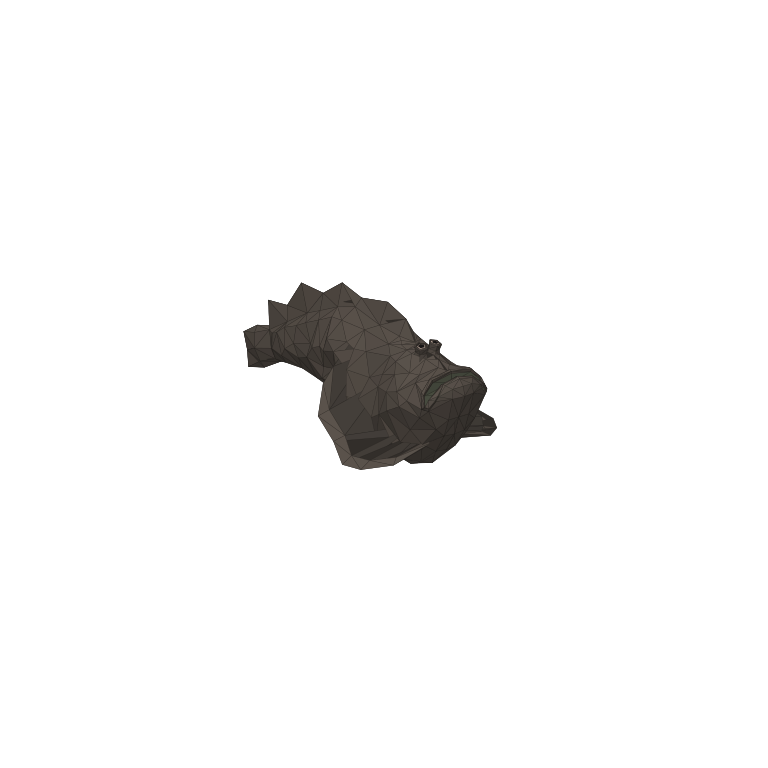
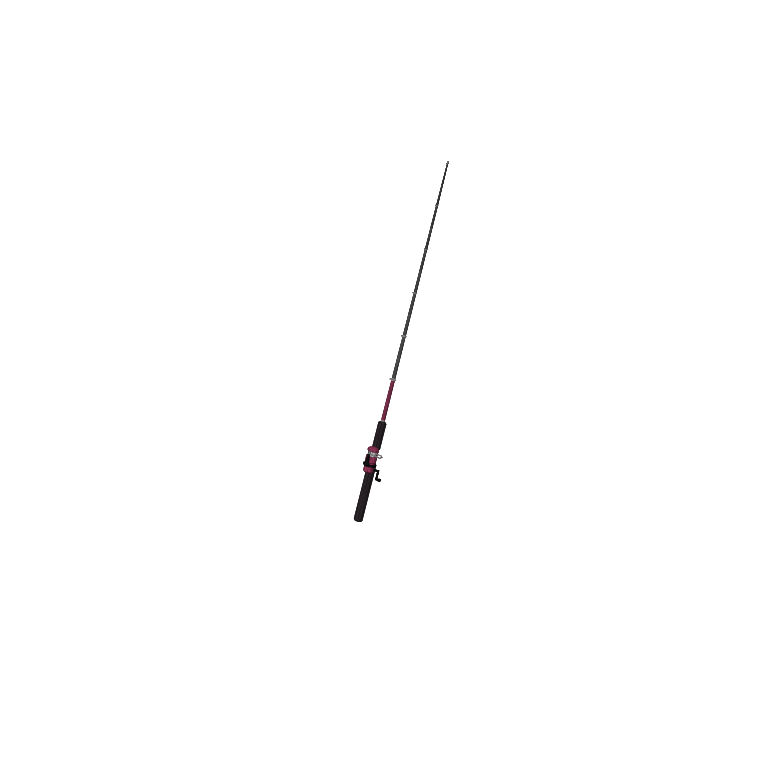
The Fishing Rod introduces regular fish at the Forest stage. Its recorded no-lure pool contains Mackerel, Gar and Pike, with base values of $6, $5 and $12. This gives you a way to rebuild a small budget before spending on lures.
Choose bait according to the creature or quest you need. A higher-priced lure serves a different pool; price alone does not make it the correct setup for an earlier missing species.
Budget by island stage
The regular tiers follow the main island route. Boss lures are separate purchases and should be budgeted with the equipment needed for their encounters.
| Stage | Regular lure | Regular price | Boss-lure price |
|---|---|---|---|
| Forest Island | Beginner Lure | $3 | $40 |
| Desert Island | Standard Lure | $15 | $280 |
| Rocks Island | Professional Lure | $50 | $1,200 |
| Volcano Island | Scientific Lure | $500 | $5,800 |
Keep quest triggers outside the shopping routine
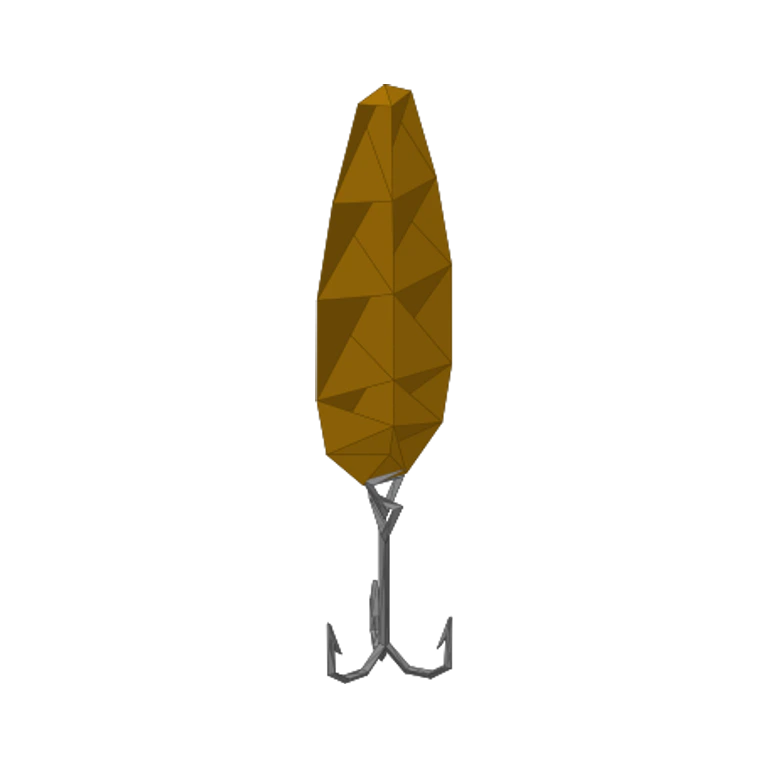
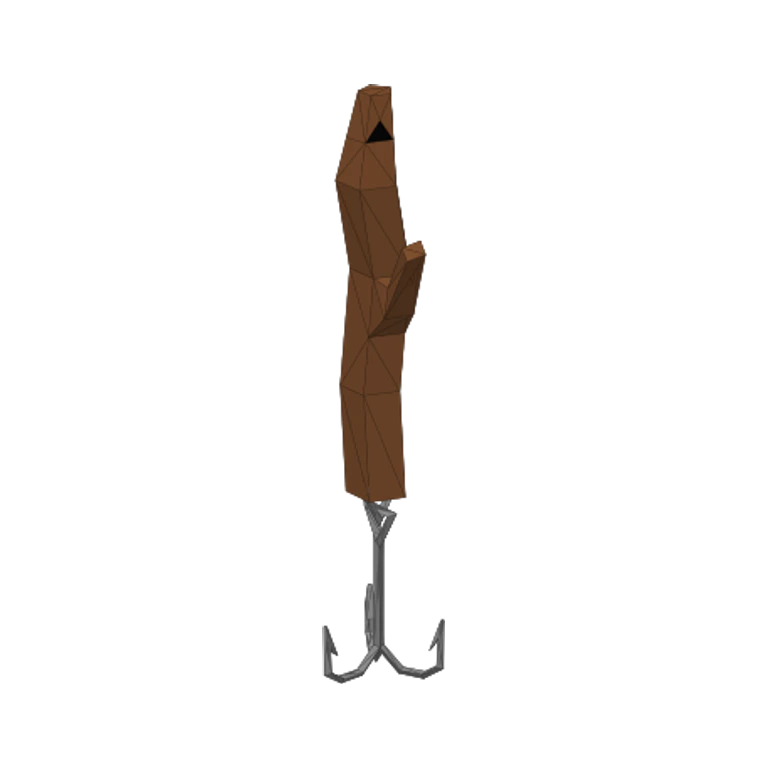
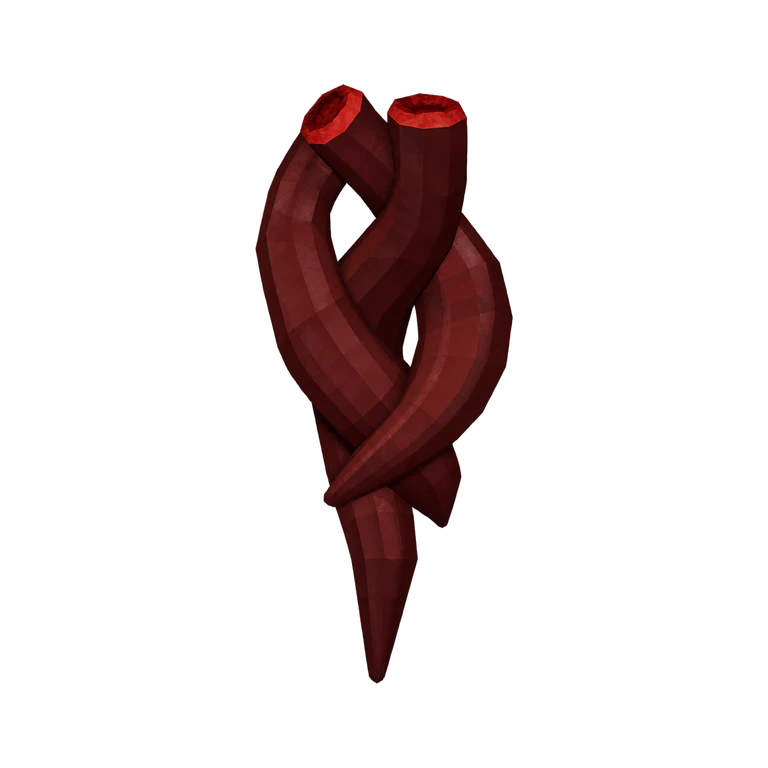
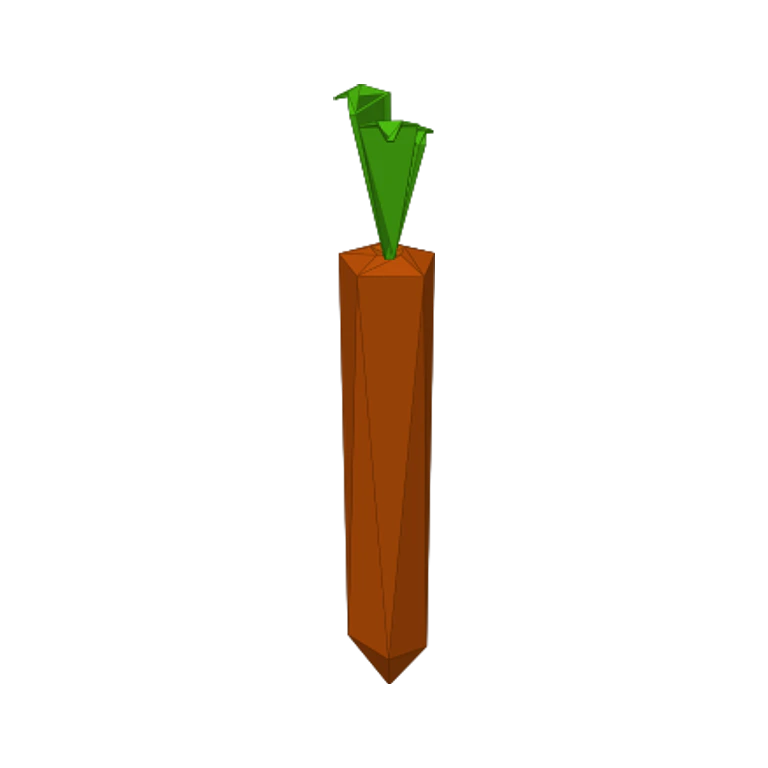
Leech Bait comes from the Forest three-Leech exchange; the Carrot comes from the Desert Tourist trade. Later, the Tuna body attracts Albatross and the Scientist’s five-fish hand-in provides Whale Bait. Some route triggers are carried bodies rather than another lure to buy.
Before fishing, identify the next required object. After fishing, check whether the catch is needed for a trade or encounter before selling it. This simple hand-off check prevents useful earning trips from removing a story item.
Use Fishipedia for return trips
Patch 1.1.3 adds bait names to entries after the creature has been defeated once. Use that in-game hint for repeat catches and the newer Fishipedia guide for Islet Update additions. The launch-era tier table does not claim to enumerate every later bait.
Use Forest’s default pool when the budget is the problem
Mackerel, Gar and Pike are recorded without a purchased lure in the Forest Fishing Rod pool. Their bases are six, five and twelve coins. This gives the rod a useful recovery role when your next purchase is not yet affordable. It does not require choosing a rare species or promising a particular outcome; use the catches that actually arrive and decide whether they are available to sell.
As an arithmetic example, five hypothetical unmodified Pike sales total 60 coins, while ten Mackerel total the same amount. That is enough to compare gross receipts with a 50-coin Pistol purchase, but it omits every other expense and says nothing about which set takes longer. If Pike alone is a collection gap, note that it also appears in the Beginner Lure reference rather than assuming the paid setup is compulsory.
Read the tier name as a pool choice
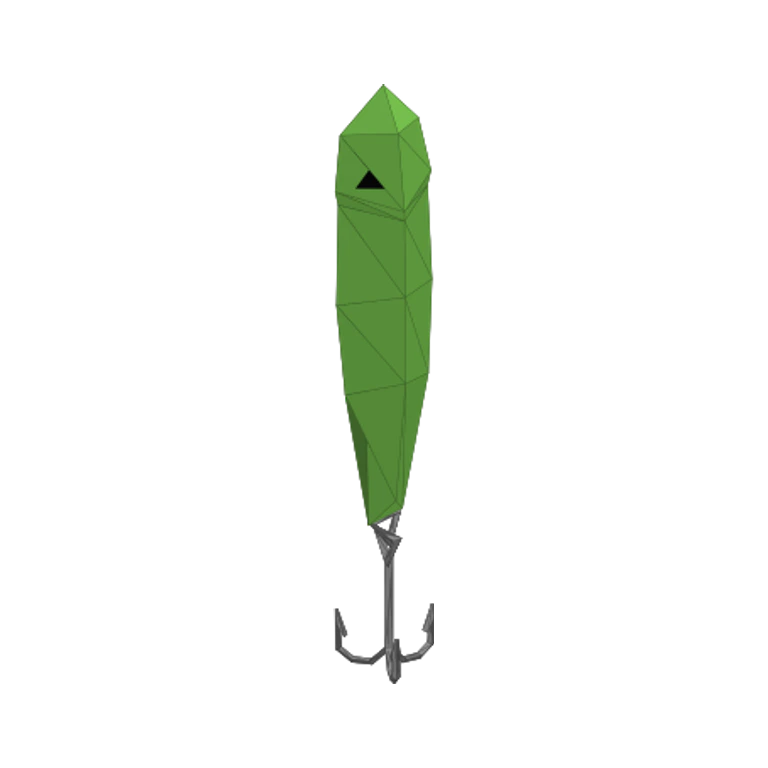
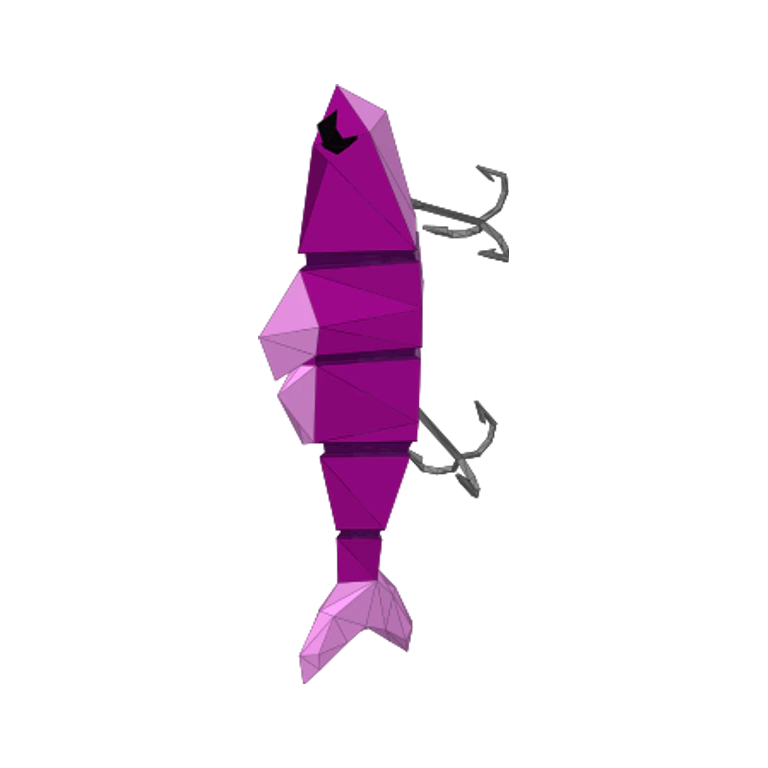
The regular supply prices rise from three coins for Beginner to 15 for Standard, 50 for Professional and 500 for Scientific. These are changes in the recorded island pools, not a rule that the most expensive lure catches every earlier species. Bring the tier associated with the entry you need. A Forest Goby gap is not resolved in the reference by spending Scientific-level money on a different island.
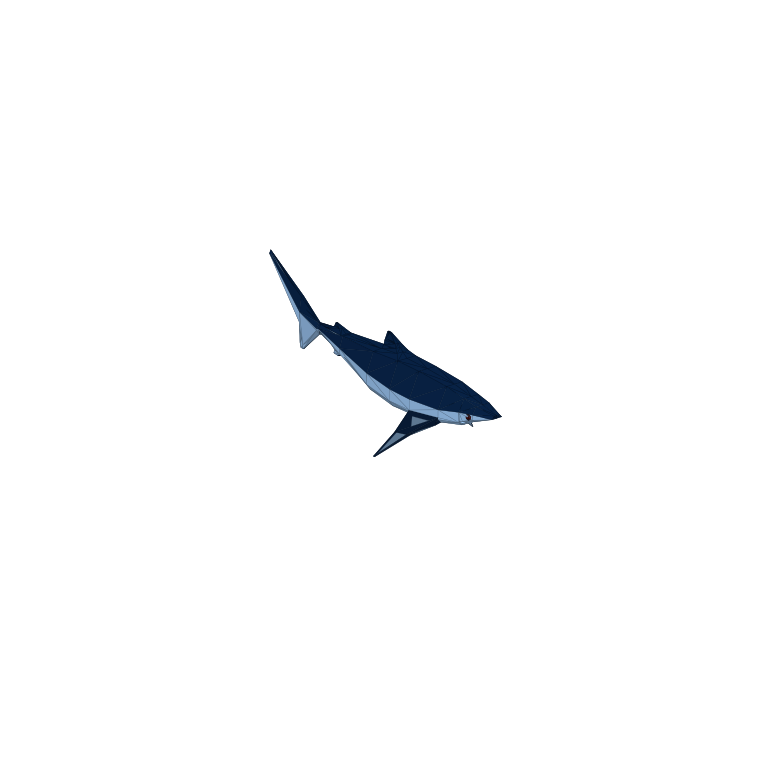
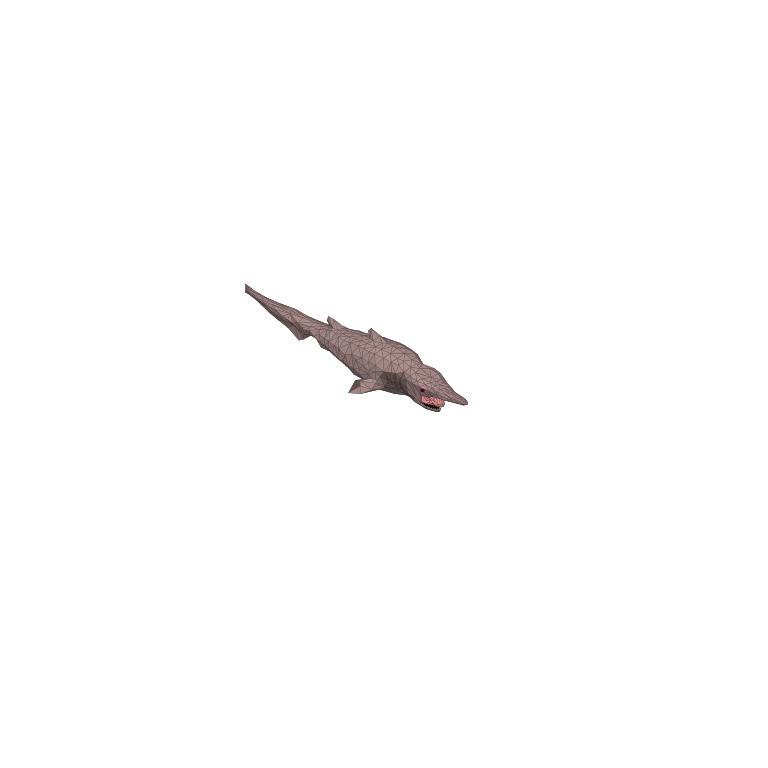
The paid boss tiers have another purpose. Beginner Boss Lure serves optional Forest encounters, Standard Boss Lure targets Blue Shark, Professional Boss Lure is part of the Tuna route and Scientific Boss Lure belongs to Goblin Shark. Their higher prices do not make them generic upgrades to ordinary fishing. Check the complete lure name before buying a batch, especially when the adjective is shared with the regular option.
Separate the rod setup from the quest exchange
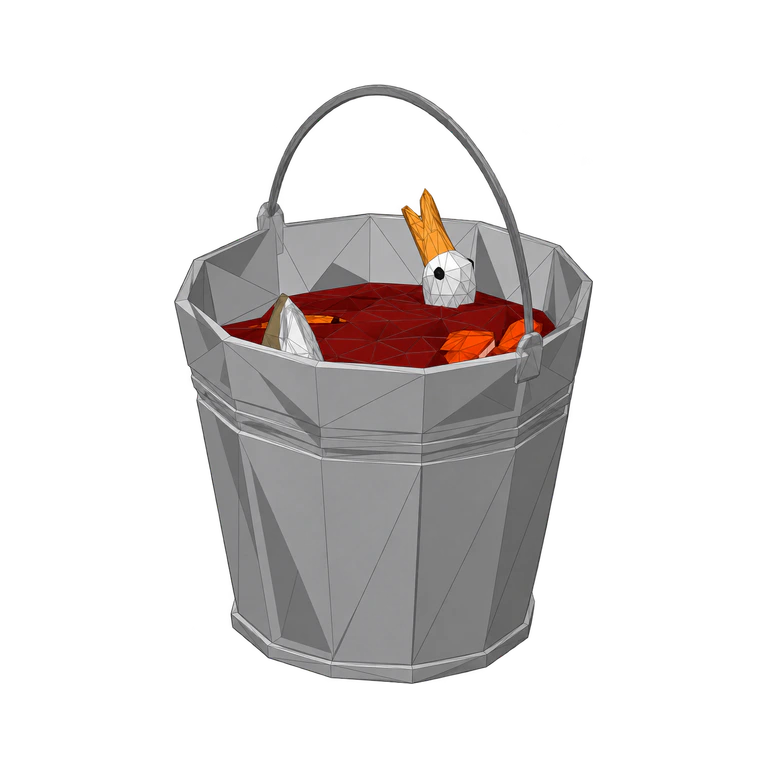
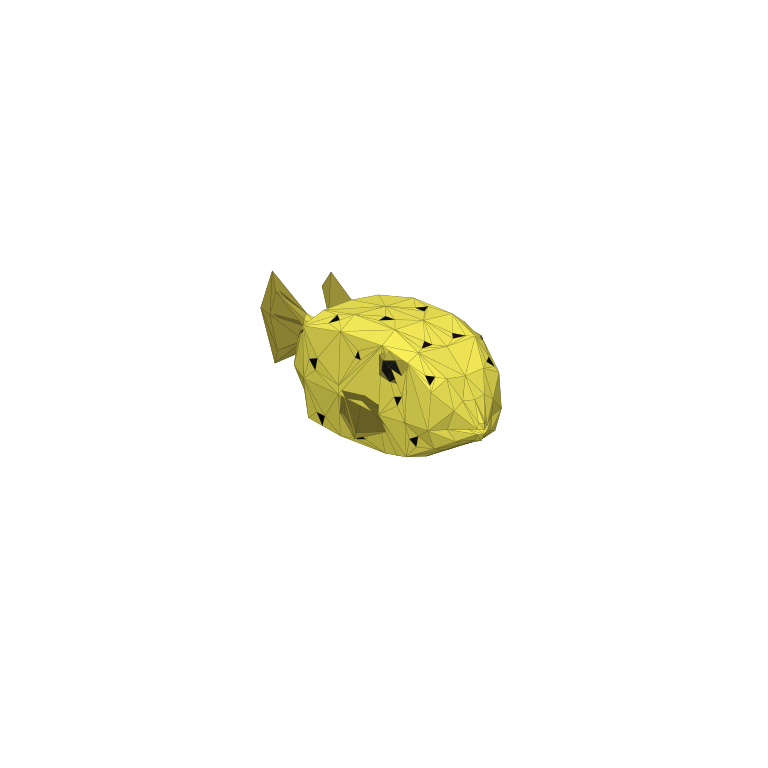
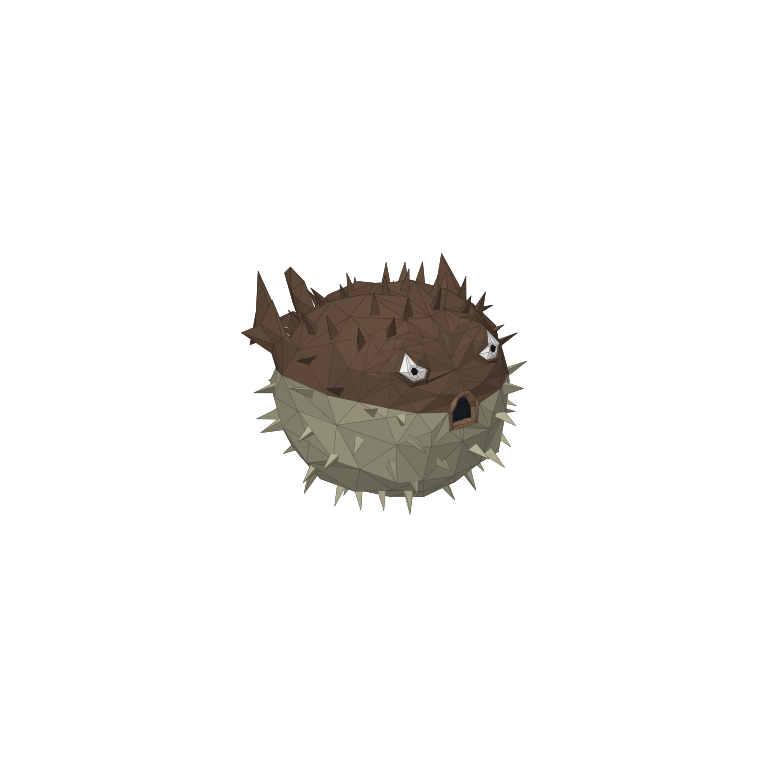
Forest progression begins with three ground Leeches, not with catching more ordinary fish. Their exchange produces Leech Bait for Giant Piranha. Desert instead uses an accepted Tourist trade for the Carrot that starts Pufferfish. In both cases, the Fishing Rod is equipment within the route; the NPC exchange supplies the special object. A shop purchase cannot simply replace that conversation.
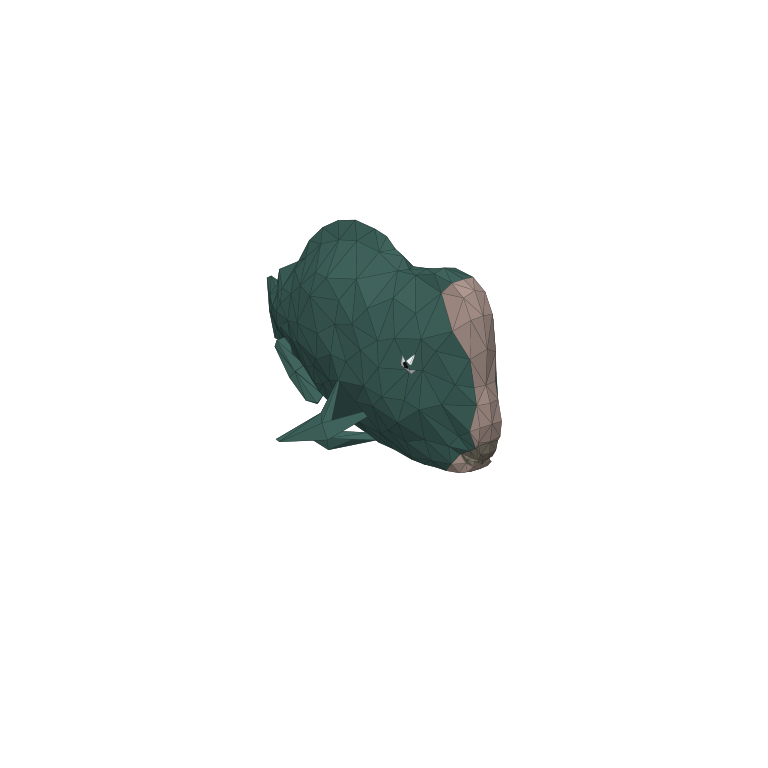
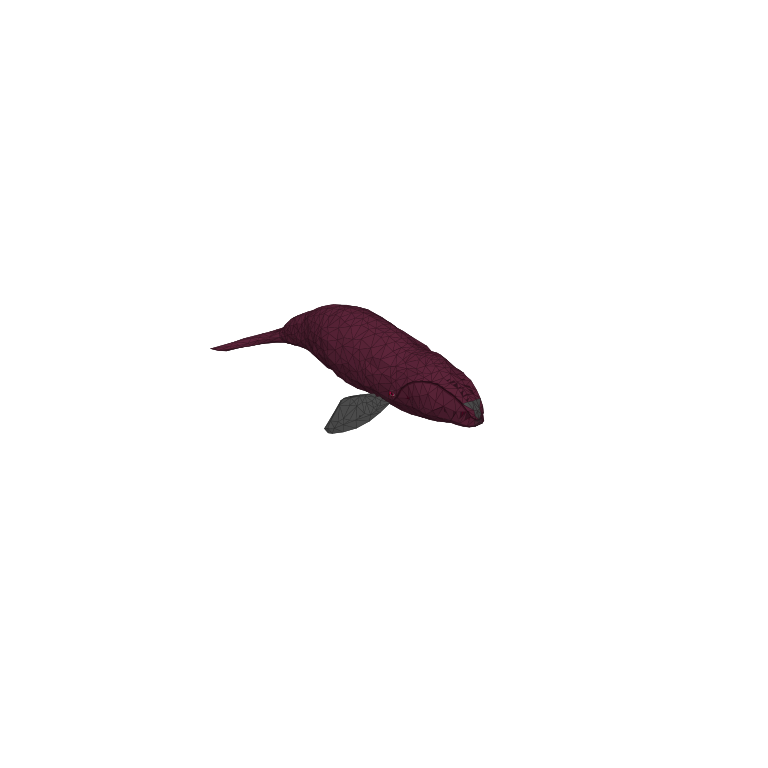
At Rocks, the sequence moves from a lure encounter to a carried-body trigger: defeated Tuna is kept for Albatross. At Volcano, the Scientist’s five-fish request provides the Fish Bucket for Bowhead Whale, whose body is then needed for the mutated encounter. After every catch, decide whether the result is sale stock, food, a collection check, an NPC delivery or the next trigger before using it.
Diagnose a surprising catch without changing everything
First compare island, rod and attached bait with the intended entry. If the setup matches and a different eligible species appears, that alone does not establish a mistake. The table lists possible catches without probabilities or a maximum waiting time. Set a spending limit and check whether the alternative catches still serve collection or income before assuming an undocumented weather or shoreline requirement.
After a first defeat, Patch 1.1.3’s Fishipedia bait display can help identify the returning setup. Read the full entry name so ordinary Piranha is not confused with Giant Piranha, or Pike with The Old Pike. Later Islet additions need their own coverage notes; the four-tier campaign table is not a claim that every current bait and creature has been enumerated.
Give the session an ending condition
For income, stop when the intended purchase and reserve are funded. For collection, stop when the missing entry is confirmed or the supply limit is reached. For a quest, secure the required object and finish its hand-in before returning to routine sales. A single session may serve several goals, but state which one controls the next purchase so optional fishing does not consume the boss preparation budget.
Before travelling, check the rod, retained bait and cargo against the next island’s route. Keep the earlier Crab Fishing Rod if you intend to revisit Lighthouse’s ordinary shell creatures. In co-op, divide fishing, finishing and cargo handling so the same body is not promised to both a seller and a quest carrier. The useful outcome is a complete next step, not merely a larger pile of catches on the boat.
Guide images
View 55 related images