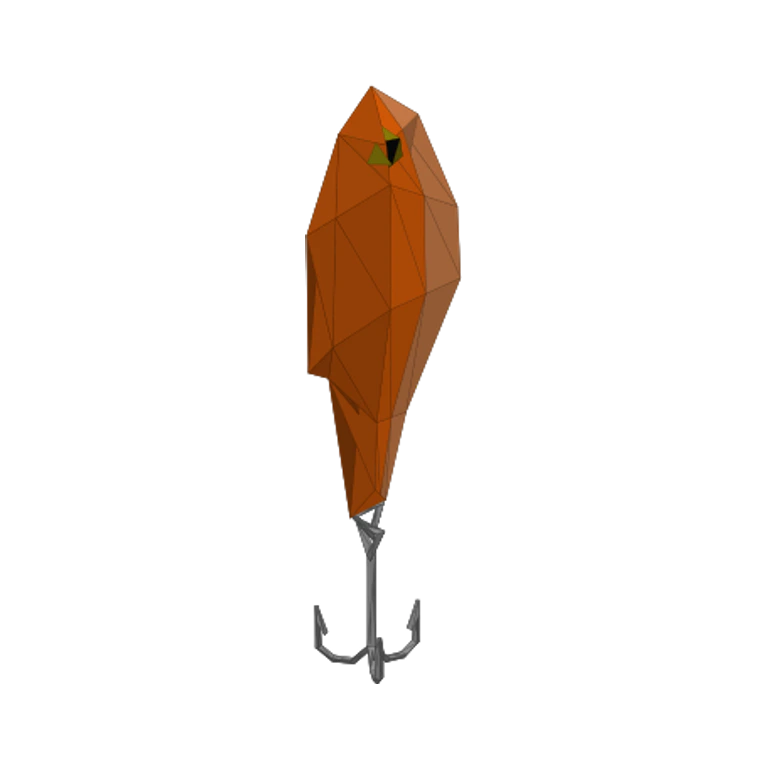
- Supply
- Professional Lure
- Route stage
- Rocks Island
- Reference price
- $50
- Rod
- Fishing Rod
Game version and evidence: Base equipment prices, damage and catch pools: Patch 1.0.10 reference. These figures are not a new playtest of the latest release.
Game imagery: How to Fish by Dazed Games. Rights remain with the respective owners. Media and source notes.
When to choose the Professional Lure
At $50, the Professional Lure is the regular fishing option for the Rocks stage. Its broad pool is useful for filling the collection and building the budget for a precision weapon or the $1,200 Professional Boss Lure. Decide which purchase you are funding before making a long fishing trip.
Recorded catch pool
Base values describe the creature before sale modifiers. This list identifies possible catches; it does not specify their probabilities.
| Creature | Base value | Encounter |
|---|---|---|
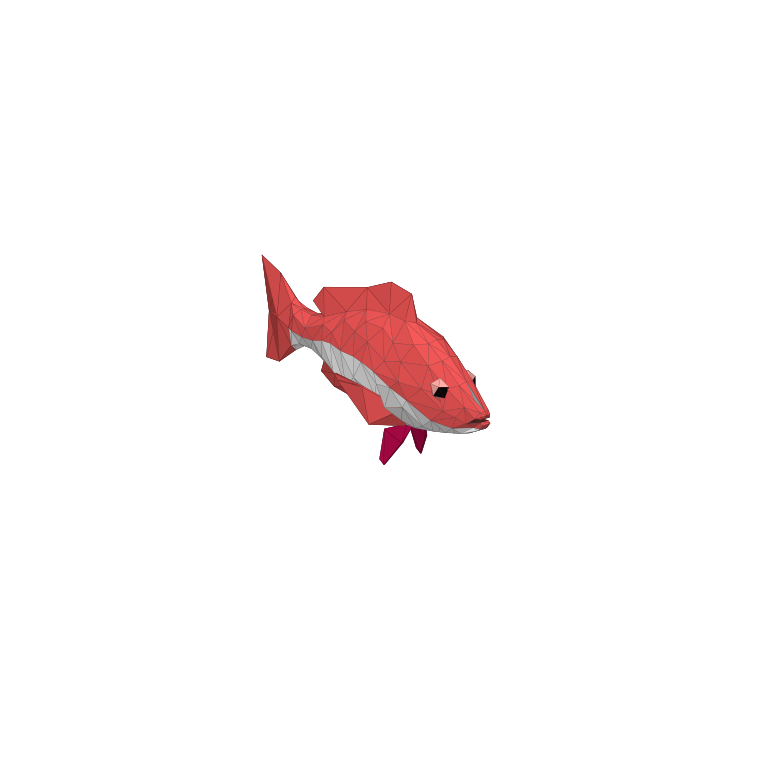
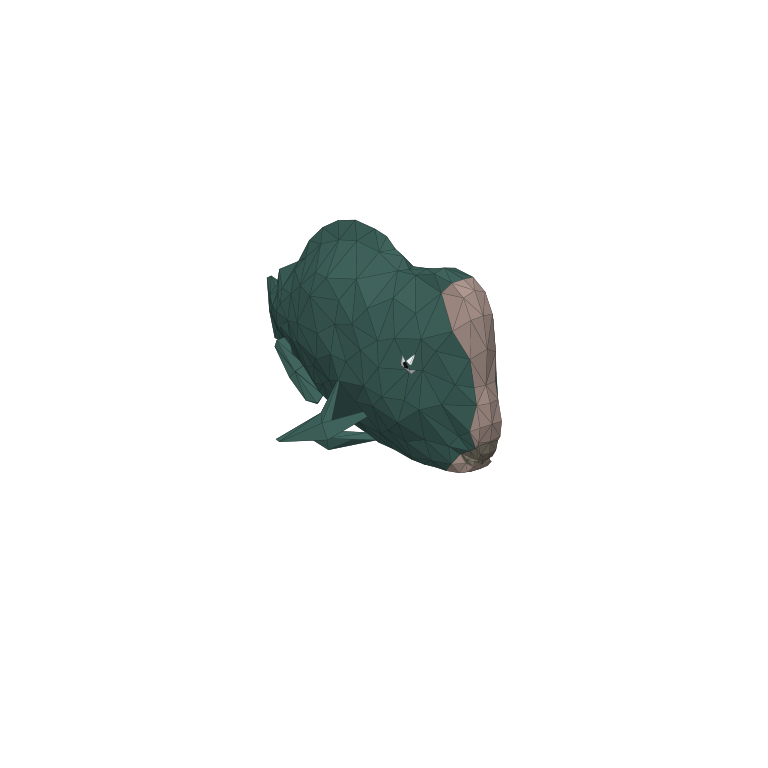
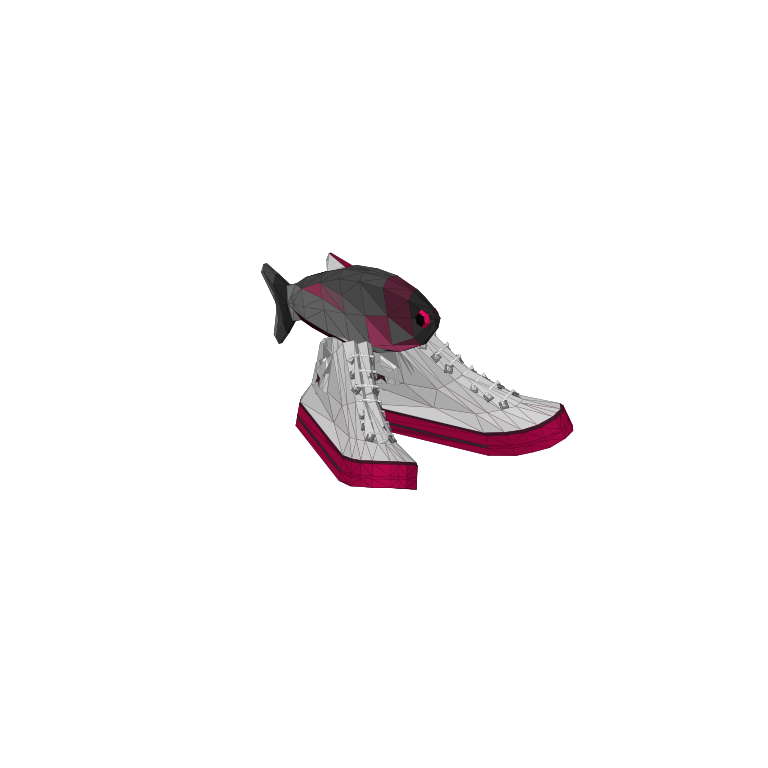
| Parrotfish | $350 | Regular catch |
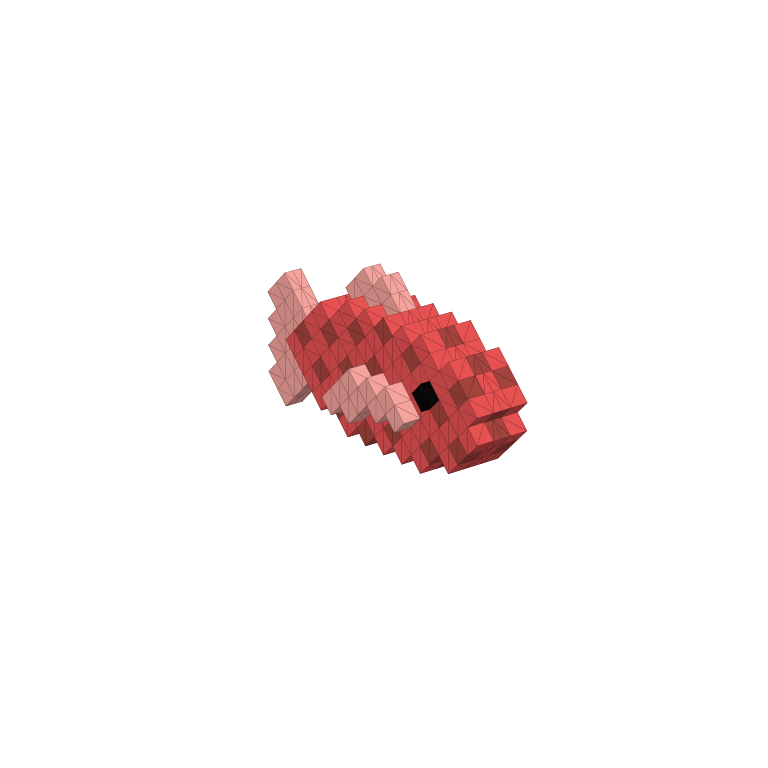
| Voxelfish | $340 | Regular catch |
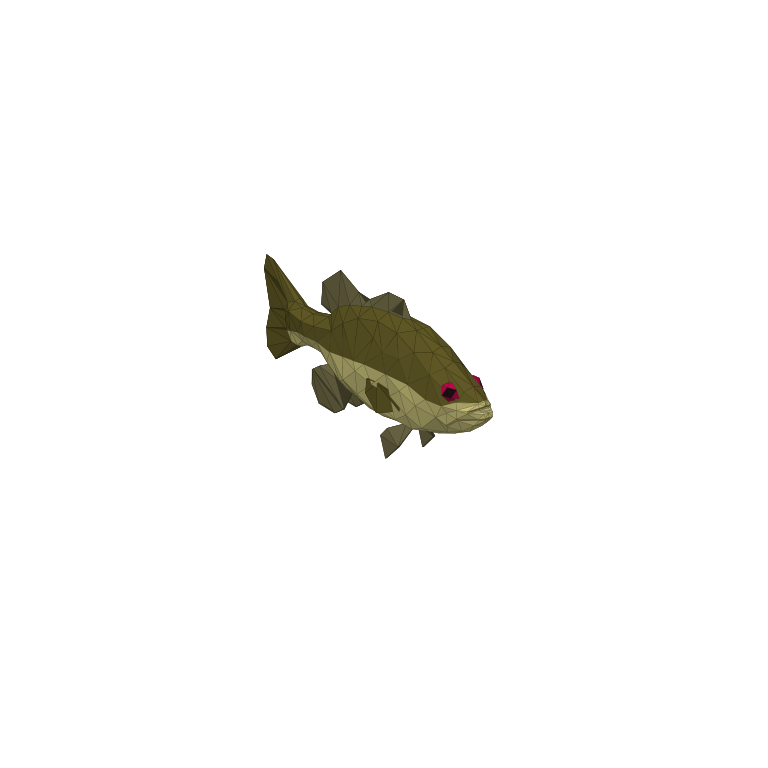
| Bass | $250 | Regular catch |
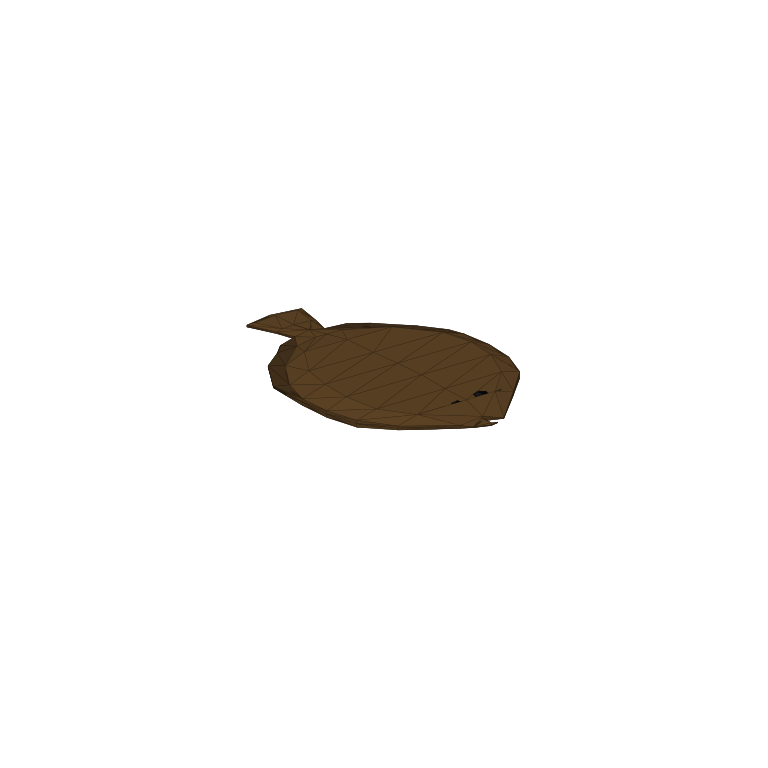
| Halibut | $290 | Regular catch |
| Eel | $280 | Regular catch |
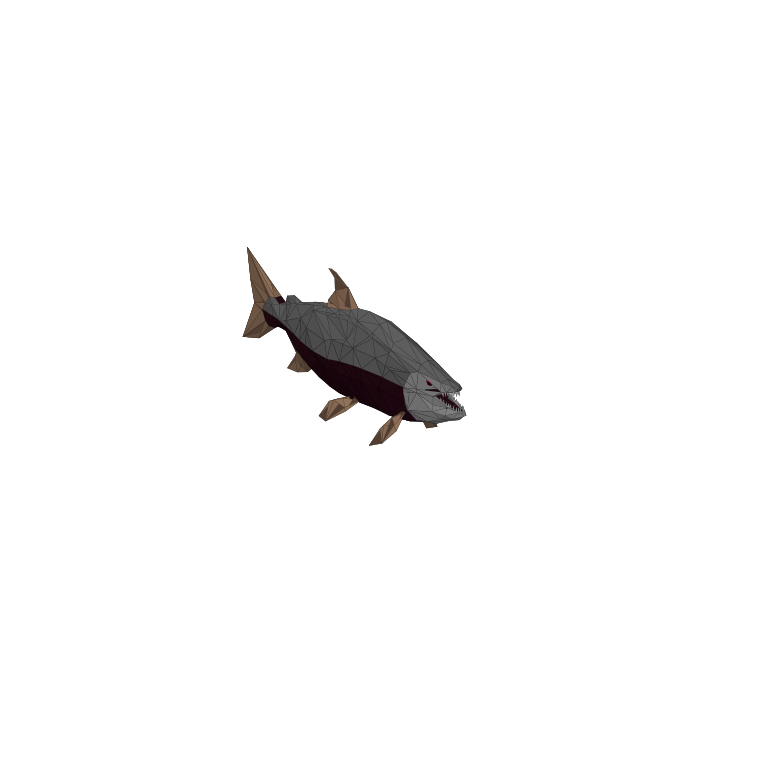
| Tigerfish | $310 | Regular catch |
| Flying Fish | $320 | Regular catch |
| Sengarat | $280 | Regular catch |
| Red Snapper | $280 | Regular catch |
| Dripper | Not recorded | Regular catch |
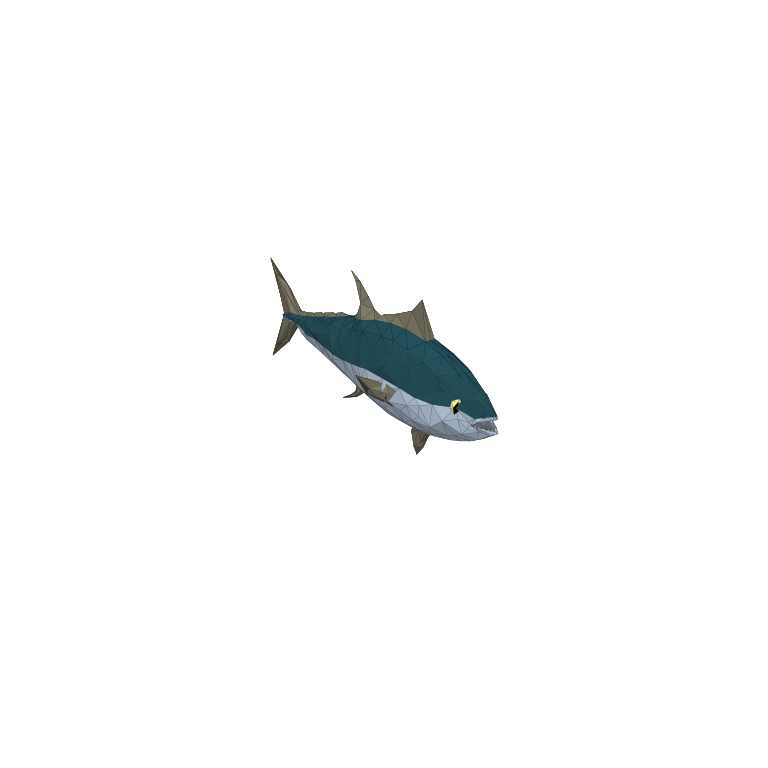
| Tuna | $2,000 | Boss encounter |
| Seahorse | $100 | Regular catch |
Plan the fishing trip
Set aside the story budget first. The Rocks route needs a defeated Tuna to attract Albatross, so a crew that spends everything on optional purchases can arrive at the encounter chain without enough money for its boss lure.
Check each catch against the collection before selling it. This pool includes species such as Voxelfish, Dripper and Flying Fish that are easy to overlook when the trip is treated only as income farming. Its Seahorse entry also overlaps an earlier island pool.
Keep the next objective in view
Tuna appears in the regular reference pool as well as on the Professional Boss Lure page. If a Tuna becomes your story trigger, keep the body out of the sale, cooking and roulette routines. Its next use matters more than the immediate payout.
The lure is a route to possible catches, not a fixed earnings rate. Base values exclude combat bonuses, and the number of casts required for one named species is not documented here.
Check a known creature in Fishipedia
Patch 1.1.3 added a bait-name hint to Fishipedia after you have defeated a creature once. Use that hint when revisiting a known catch, especially if your installed version includes content beyond this reference pool.
Choose a Rocks collection route before shopping
The Professional list includes several distinct ordinary fish with similar bases, so start with the names still missing from Fishipedia. Eel, Sengarat and Red Snapper each have a 280-coin reference, but finding one does not complete the other two. Flying Fish and Voxelfish are separate entries, while the species named Dripper is not a shortcut for every Drip variant.
Seahorse also appears here despite its earlier Standard pairing. If that is the only missing entry, consider whether you also need the other Rocks species before treating the more expensive lure as a necessary upgrade. The reference gives eligible setups rather than a comparison of encounter odds between islands. A later tier is not automatically the cheapest solution to an overlapping collection gap.
Compare the ordinary sale range with Tuna separately
Among the recorded ordinary values, Seahorse starts at 100 coins, Bass at 250, Halibut at 290, Tigerfish at 310, Flying Fish at 320, Voxelfish at 340 and Parrotfish at 350. The 50-coin purchase is therefore one part of a spread of possible outcomes. Dripper remains outside a fixed-value ranking because its stable base is not recorded.
For an illustrative one-purchase, one-sale calculation, Bass leaves 250 minus 50, or 200 coins before combat expenses. Parrotfish leaves 300 under the same assumptions. Tuna is a separate 2,000-coin boss entry and should not be used as the expected value of an ordinary trip. Averaging all listed prices equally would also invent equal probabilities that the table never provides.
Treat a useful Tuna body as reserved capital
A Tuna obtained during an income session can become the next story trigger. Before anyone sells it, check whether Terrorizing Bird is unfinished. The body is used to attract Albatross; after that encounter, the head goes to the frightened islander. Changing a catch from sale stock to progression stock is a deliberate choice and should be reflected in the budget.
If the crew keeps Tuna for the bird, do not include its 2,000 base in available cash for the same trip. That money has not been received. Plan food and ammunition for Albatross from existing funds or genuinely surplus catches instead. This keeps the apparent income total from concealing the fact that the next purchase cannot actually be afforded.
Fund a complete loadout instead of one expensive item
Rocks equipment decisions are closely tied to the airborne follow-up. A precision weapon may help with the sightline, but its purchase should leave money for the rest of the route. The dedicated Professional Boss Lure is another 1,200-coin commitment if that is the Tuna setup you use. Keep that number separate from this 50-coin regular supply in the shopping plan.
Define the next earning target as a complete set of necessary purchases, using current shop offers for prices missing from the reference. Once the target is met, secure the supplies and move to the encounter plan. Spending the new income immediately on another batch of regular lures can keep an apparently profitable fishing routine from ever becoming a finished story attempt.
Check the catch name and its next use together
At the end of each haul, ask which new names were recorded and which objects have a job beyond sale. That makes a catch review more useful than sorting only by remembered coin values. In co-op, give the person selling stock a clear exception for Tuna. Keep the physical trigger apart from the bodies that everyone has already agreed to cash out.
If the expected collection entry does not appear, recheck the regular Professional attachment and exact creature label. Switching to the boss lure narrows the target to Tuna rather than improving the odds of Halibut or Dripper. If Albatross does not follow a completed Tuna fight, investigate the body-placement step; buying more regular lures does not perform that separate transition.
Guide images
View 18 related images