- Price
- $1
- Stage
- Lighthouse
- Rod
- Crab Fishing Rod
- Catches
- Rock Crab / Lobster
Game version and evidence: Base equipment prices, damage and catch pools: Patch 1.0.10 reference. These figures are not a new playtest of the latest release.
Game imagery: How to Fish by Dazed Games. Rights remain with the respective owners. Media and source notes.
What the Hot Dog changes
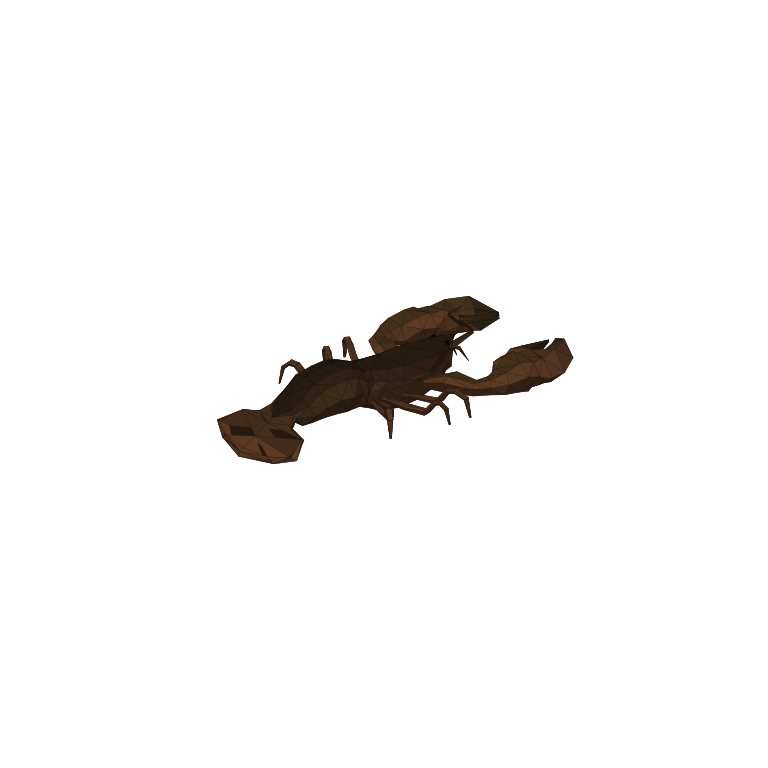
Hot Dog bait is a small early purchase that changes which shell creatures the Crab Fishing Rod can produce. With no bait, the reference pool contains Brown Crab and Shrimp. With a Hot Dog, it contains Rock Crab and Lobster. It is a choice of pool, not a weapon upgrade.
Compare the starter pools
These are raw creature values before combat or other sale bonuses. They help compare outcomes, but they are not a guarantee of profit from a particular cast.
| Setup | Catch | Base value |
|---|---|---|
| No bait | Brown Crab | $3 |
| No bait | Shrimp | $5 |
| Hot Dog | Rock Crab | $7 |
| Hot Dog | Lobster | $9 |
Use it without delaying departure
Start with a short earning target, such as a basic combat purchase or the Radar budget. Catch and finish a few shell creatures, then return to the quest instead of treating endless fishing as a requirement for leaving the Lighthouse.
The better base values are useful only if you can handle the catch. Keep space around the landing point and use a dependable finisher rather than spending extra supplies on a complicated kill.
Switch bait for Spider Crab
The story boss uses the Empty Beer Can returned by the Lighthouse Keeper after you give him a Beer. A Hot Dog will not replace that quest item. When ready for Spider Crab, check the attached bait before casting and keep the boss shell for the keeper afterward.
Use the attachment as a collection switch
Make a four-name checklist before changing the starting setup: Brown Crab, Shrimp, Rock Crab and Lobster. The first pair belongs to the default Crab Fishing Rod pool, while the second pair belongs to Hot Dog bait. If Rock Crab and Lobster are already recorded but Brown Crab is missing, another Hot Dog purchase does not address that particular gap. Return to the default pairing instead.
This is a useful distinction for a player revisiting Lighthouse after progressing much further. A stronger weapon can make finishing small catches easier, but it does not change the recorded bait requirement. Choose the pool by the missing species, then decide whether the resulting body is food or sale stock. Collection completion and buying an upgrade are different reasons to keep fishing.
Work through the one-coin comparison
With a hypothetical single one-coin Hot Dog purchase and an unmodified Rock Crab sale, seven minus one leaves six coins before other expenses. Lobster gives nine minus one, or eight. Compare that with the unmodified bases of three for Brown Crab and five for Shrimp in the default pool. The paid examples leave three more coins than those respective base comparisons, but none of these calculations establishes the next catch or its frequency.
Do not silently assume that a purchased Hot Dog is consumed once for every catch. Enter the actual number bought into your session total. A lure used over several catches and a lure lost during an attempt create different expense records. The guide records the purchase price and eligible shell creatures, not a measured bait lifetime or a guaranteed cash yield.
Protect the small departure purchases
At Lighthouse, optional combat purchases can quickly exceed several ordinary shell sales. Brass Knuckles have a 24-coin reference and Knife 45, while Radar is listed separately at ten. Those figures are useful targets for a short earning session, but the best target depends on what you already own. Buying every melee option can delay the simple navigation purchase needed before departure.
Set aside the Radar amount once it is available instead of returning it to the general spending pool. Then choose whether more Hot Dog fishing is needed for equipment or merely postponing the keeper quest. The starter pool is a way to build a working budget; there is no requirement here to finish an unlimited earning loop before exchanging Beer for the Empty Beer Can.
Make routine catches easy to handle
Keep the landing point clear enough to identify which ordinary shell creature appeared. Small catches are useful practice for picking up an object, finishing it and making the food-or-sale decision. Avoid introducing several unfamiliar variables at once, such as a new weapon and a cluttered boat pile, when the immediate purpose is simply recording Rock Crab or Lobster.
In co-op, agree where ordinary sale stock will go. This leaves the future Spider Crab shell visibly separate when the crew changes to the story encounter. A tidy opening routine also makes it easier to see whether a missing object was sold, eaten or never collected. Those are handling mistakes with different repairs, rather than evidence that another bait purchase is required.
End the ordinary fishing task before starting Spider Crab
When the crew is ready for the keeper objective, deliberately inspect the rod attachment. Hot Dog belongs to the two ordinary shell creatures, while the Empty Beer Can returned by the keeper belongs to Spider Crab. A familiar Crab Fishing Rod can serve both jobs, so the attachment is the part most easily left unchanged while moving between them.
After the boss, retrieve the shell and finish the keeper hand-in for Boat Keys before clearing the remaining stock. If sailing is still unavailable after the exchange, check the separately acquired Radar. Another Lobster can help pay for missing equipment, but it cannot replace a shell delivery or turn the one-coin bait itself into boat access.
Guide images
View 6 related images