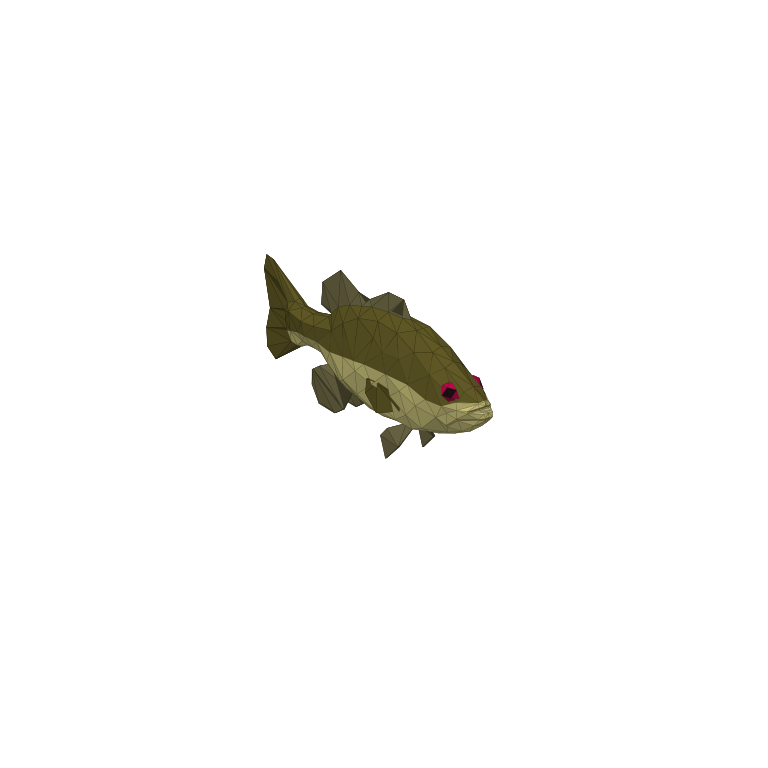

- Island reference
- Rocks Island
- Tool
- Fishing Rod
- Bait or encounter
- Professional Lure
- Recorded raw base
- 280 coins
- Entry type
- Fish · not a boss
Game version and evidence: Entity facts retain the guide’s Patch 1.0.10 snapshot (2026-08-28); the newly written notes are not a current-build playtest. Fixed values are raw bases, not guaranteed sale offers. Patch 1.1.3 adds bait display after a first kill in Fishipedia; use your current game to check a returning catch.
Game imagery: How to Fish by Dazed Games. Rights remain with the respective owners. Media and source notes.
Use the exact encyclopedia name
Sengarat is a separately named creature in the Rocks Island roster. Its recorded pairing is Fishing Rod plus Professional Lure.
If the unfamiliar name is the last unchecked entry, keep it on the list rather than merging it with another fish that uses the same lure or sells for a similar amount.
Use the exact name to identify the remaining gap
Sengarat can be overlooked when a Rocks checklist is organized around sale prices. Eel and Red Snapper have the same recorded 280-coin base, so a matching receipt is not a species identification. Before fishing, note the full missing name in Fishipedia. After a new defeat, check that record before adding a tick to the website directory. This is more reliable than deciding every similarly valued catch must already be represented.
The appropriate setup remains the ordinary Professional Lure on the Fishing Rod at Rocks Island. An unfamiliar name does not imply an unusual quest bait. The reference assigns Tuna to a dedicated Professional Boss Lure encounter, but gives Sengarat no boss qualifier. Purchase for the species you need rather than interpreting the size or price of a lure as a general measure of its collection usefulness.
Compare equal bases without combining their entries
At 1×, one Sengarat, one Eel and one Red Snapper each contribute the same raw 280 coins. As a hypothetical collection haul, all three together would gross 840. If that run actually used three separate fifty-coin lure purchases, the difference would be 690 before other expenses. The collection benefit is three distinct names, even though the three sale inputs happen to be identical.
That distinction changes the stopping rule. A player who only needs money can count any completed sale toward a purchase target. A player missing Sengarat must still inspect species identity after every encounter. Selling duplicate Eels may make the trip affordable, but it does not answer whether the specific encyclopedia gap is filled. Keep both a named checklist and a cash total when the visit has both goals.
Use the neighbouring values to evaluate a real haul
Bass is recorded at 250, Halibut at 290, Tigerfish at 310 and Flying Fish at 320. Sengarat sits thirty above Bass and ten below Halibut. None of those modest differences makes one species a guaranteed better farming method. To establish that, a comparison would need catch frequency, success, supply use and time. The available table instead supports a narrower but useful task: valuing a catch after you know its name.
For a single illustrative Sengarat sale, subtracting one fifty-coin supply purchase from the unmodified base leaves 230 before ammunition or food. If the catch is retained rather than sold, record no cash receipt yet. If a bonus changes its sale, enter the actual awarded modifier in the estimator. Avoid replacing an unknown session outcome with the largest possible stack from the bonus builder.
Give collection and selling different checkpoints
A simple co-op arrangement is to let the catcher call out the species, let the player tracking collection confirm the entry, and only then put the body with sale stock. The same person can do all three jobs in a solo run. Keeping the sequence explicit helps when an unfamiliar name such as Sengarat appears between more recognizable catches and someone wants to clear the beach quickly.
Reserve story objects before the seller leaves. The Tuna body and later Albatross head belong to a different chain from Sengarat’s ordinary sale. A well-funded crew can still stall if a needed trigger is sold. Check the active Rocks conversation and the next item needed before treating every completed encounter as available money, particularly when collection fishing and story preparation happen in the same session.
Work through a missing Sengarat result
Start with the basic distinction between wrong setup and different eligible result. If you are on another island or using a boss lure, correct that mismatch. If you have Rocks, Fishing Rod and Professional Lure but receive another listed species, the table gives no maximum attempt count. Continue only while the collection visit remains within its supply allowance; a long streak does not by itself establish a hidden weather rule.
For an already known creature, Fishipedia’s later bait-name display can help verify the returning setup. A changed hint should be read with the installed build number before correcting a historical guide. Once Sengarat is confirmed, update the exact entry and consider the next missing Professional species. This lets one visit serve a planned set of gaps without merging their identities or buying the optional boss setup unnecessarily.
Before leaving the pool, compare the missing names rather than the number of fish caught. Three repeated Eels are three encounters but only one ordinary species identity in this example. A session containing Eel, Red Snapper and Sengarat addresses three names. Neither pattern is guaranteed by the lure, but the distinction explains why the collection checklist and an income target can end at different moments.
Guide images
View 5 related images