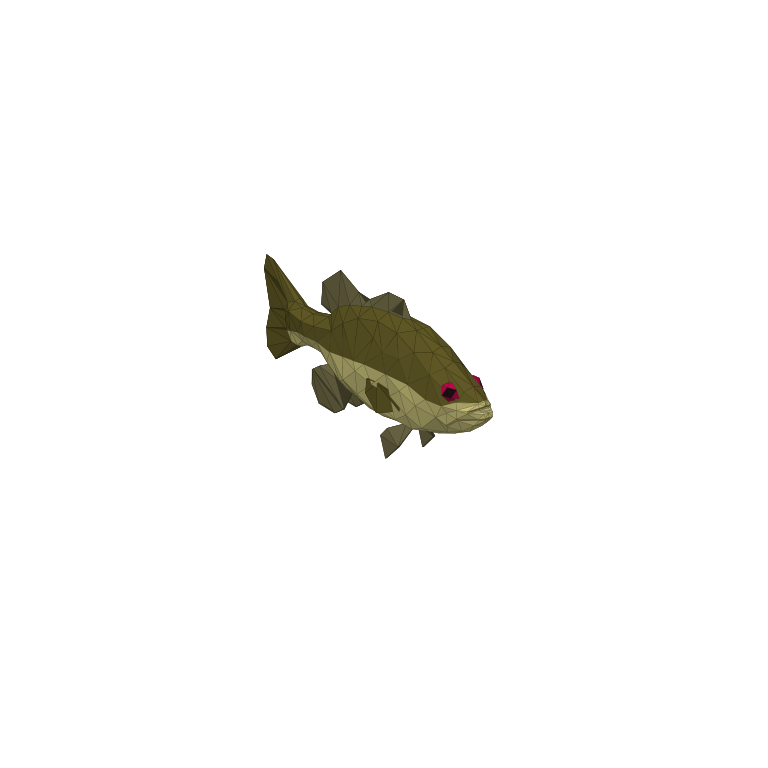
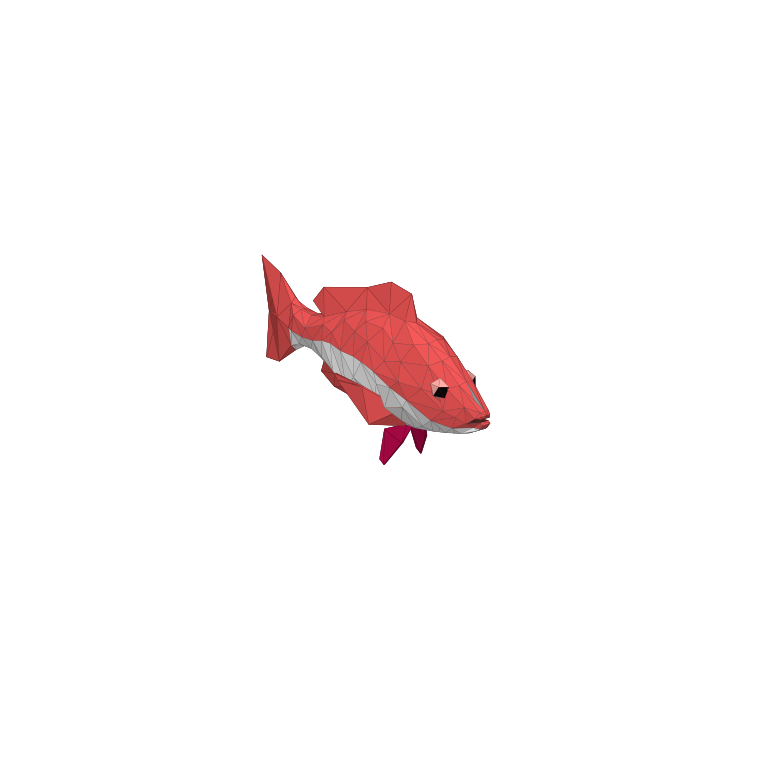
- Island reference
- Rocks Island
- Tool
- Fishing Rod
- Bait or encounter
- Professional Lure
- Recorded raw base
- 280 coins
- Entry type
- Fish · not a boss
Game version and evidence: Entity facts retain the guide’s Patch 1.0.10 snapshot (2026-08-28); the newly written notes are not a current-build playtest. Fixed values are raw bases, not guaranteed sale offers. Patch 1.1.3 adds bait display after a first kill in Fishipedia; use your current game to check a returning catch.
Game imagery: How to Fish by Dazed Games. Rights remain with the respective owners. Media and source notes.
An ordinary catch during the Rocks stage
Red Snapper is listed under the Fishing Rod and Professional Lure on Rocks Island. It does not use the Professional Boss Lure assigned to the dedicated Tuna encounter.
This distinction helps when preparing the story route: ordinary collection attempts and the targeted boss setup involve different purchases even though both belong to the same island stage.
Count species, then count coins
The recorded base is 280 coins, equal to Eel and Sengarat. First confirm which named entry you caught, then use its base and actual multiplier for a sale estimate.
A remembered 280-coin figure cannot tell you which of the three collection entries is complete. Use the Fishipedia labels to resolve that question.
Use an ordinary catch to support a named purchase
Red Snapper belongs to routine Rocks fishing, making it relevant when the crew wants both collection progress and coins for the next story setup. Name the purchase before starting: a current weapon offer, recovery supplies or the dedicated Tuna lure. A target prevents the trip from drifting into repeated fishing after the immediate route is already affordable. It also makes clear which money must remain reserved after a sale.
The historical pairing is Professional Lure with the Fishing Rod on Rocks Island. The 1,200-coin Professional Boss Lure targets the dedicated Tuna encounter; it is not an improved ordinary Red Snapper lure. Keep the fifty-coin ordinary purchase separate from that story expense when comparing receipts. A crew can prepare the island efficiently only if it knows which spending produces ordinary catches and which starts the encounter chain.
Subtract the purchases that actually happened
A Red Snapper has a recorded raw base of 280 coins. With one assumed unmodified sale and one actual fifty-coin lure purchase, the simple difference is 230 before other costs. Five such sales would gross 1,400, while five separate lure purchases would reduce that example to 1,150. That is still fifty short of the 1,200 boss-lure price before ammunition, food and any weapon purchase.
The example explains why five successful-looking catches are not automatically a complete Tuna budget. Your run may use fewer purchases, earn modifiers or contain different species. Use the real coin balance and remaining supply list after each batch. If a lure is reused, do not charge its price again for every fish; if an attempt loses supplies, include the loss even though no new receipt appears.
Read a mixed Rocks haul without price-based identification
Eel and Sengarat share Red Snapper’s 280-coin raw base, while Halibut is ten higher. Tigerfish is thirty higher and Bass thirty lower. These are ordinary-catch comparisons, useful for valuing a completed group. They cannot identify the creature from an offer alone or establish which species is easier to catch. Confirm the displayed name and collection entry separately from the money field.
For example, a Red Snapper and a Halibut total 570 at their unmodified bases. After two fifty-coin lure purchases, the illustrative remainder is 470 before other supplies. A pair of Red Snappers would instead gross 560. The ten-coin difference is small enough that the crew’s actual supply use and sale modifiers deserve more attention than chasing Halibut solely to improve that pair.
Keep the ordinary sale pile away from progression cargo
If the current objective is Terrorizing Bird, retain the defeated Tuna for Albatross and then the bird’s head for the frightened islander. A Red Snapper receipt may help finance those stages, but the same automatic sale routine should not touch the route objects. Agree on their destination before moving the whole catch pile to a shop. In a shared session, tell the seller which objects are reserved.
Check Red Snapper’s encyclopedia entry before assigning a first catch to that sale pile. Fishipedia progress and a browser tick are different records; the website does not read your save. When the creature is already known, the later bait-name hint can help confirm the returning setup. Complete the collection check promptly so identifying a new species does not depend on remembering an earlier receipt after several bodies have moved.
Fix the right problem before buying another lure
If you are still at Desert, reaching the Rocks stage matters more than purchasing similarly named tackle. If you are at Rocks but using the Crab Fishing Rod or Professional Boss Lure, correct the setup. If ordinary Professional fishing produces another species, record that result and compare the remaining collection list. The historical pool has several possible outcomes and no documented Red Snapper probability.
A sale offer different from 280 is also a separate question from a failed catch. Check modifiers and the actual state of the body before treating it as a new base-value claim. Once the intended shopping reserve is reached, switch to preparing the required encounter instead of consuming more ordinary supplies. Return for missing Red Snapper or other species on a collection visit with its own budget and stopping rule.
When the buyer returns from a supply run, update the remaining target using the new balance instead of the original shopping figure. Red Snapper sales may have funded ammunition that has already been consumed or replaced. Counting that money as though it still sat in the reserve makes the final lure appear affordable too early. A cash balance after purchases is the useful departure number.
Guide images
View 5 related images