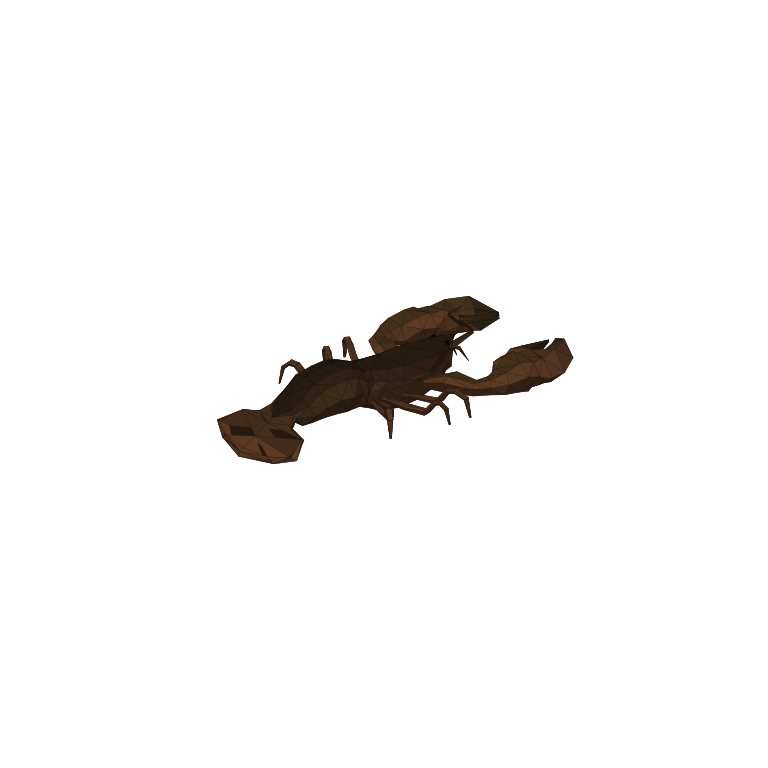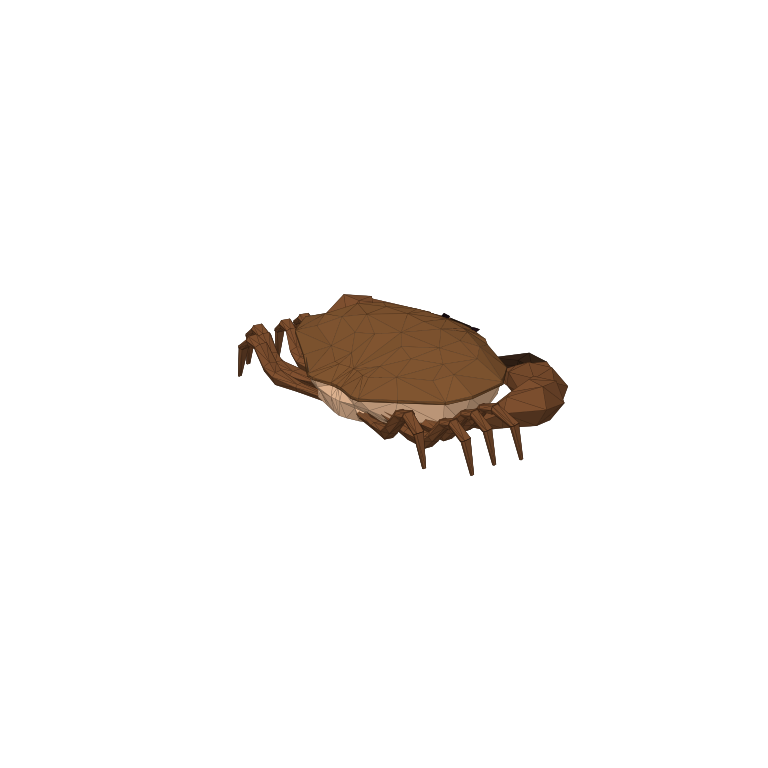
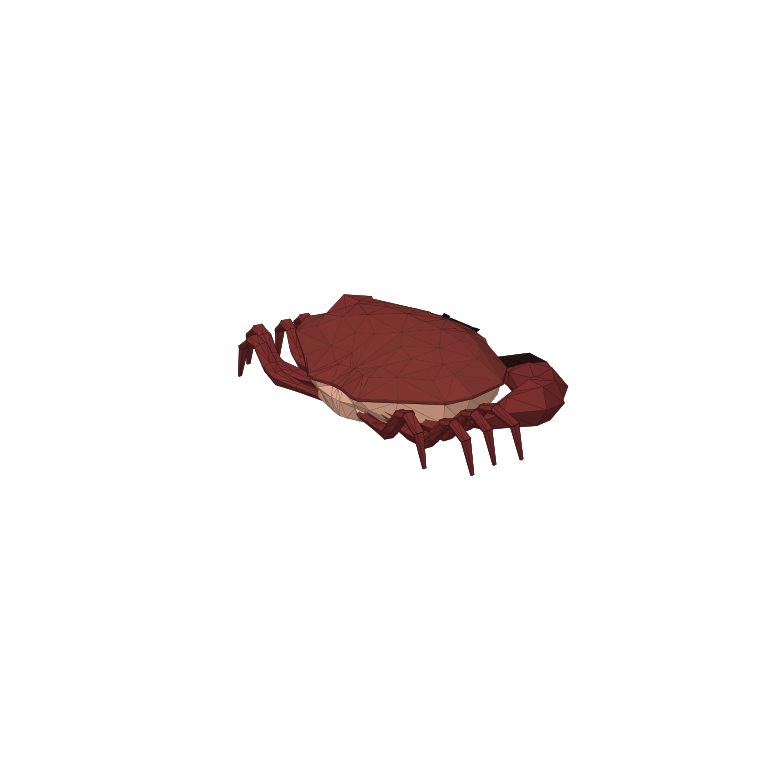
- Island reference
- Lighthouse
- Tool
- Crab Fishing Rod
- Bait or encounter
- Hot Dog
- Recorded raw base
- 7 coins
- Entry type
- Shell · not a boss
Game version and evidence: Entity facts retain the guide’s Patch 1.0.10 snapshot (2026-08-28); the newly written notes are not a current-build playtest. Fixed values are raw bases, not guaranteed sale offers. Patch 1.1.3 adds bait display after a first kill in Fishipedia; use your current game to check a returning catch.
Game imagery: How to Fish by Dazed Games. Rights remain with the respective owners. Media and source notes.
Change bait to change the crab list
Attach a Hot Dog to the Crab Fishing Rod at the Lighthouse for the Rock Crab setup. The default pool lists Brown Crab and Shrimp, so staying bait-free is not the recorded way to fill this entry.
Lobster shares the Hot Dog pairing. Plan for either result rather than buying bait on the assumption that each cast must produce Rock Crab.
A seven-coin reference, not a payout promise
Rock Crab’s recorded base is 7 coins: 4 above Brown Crab and 2 below Lobster. These are raw-value comparisons before any sale modifiers or the costs of catching and fighting.
The species name does not make this the Lighthouse boss. Spider Crab is a separate encounter with Empty Beer Can bait and a story hand-in.
Change the pool for a named collection gap
Rock Crab is a reason to change the Lighthouse tackle deliberately. The default Crab Fishing Rod setup covers Brown Crab and Shrimp. Attaching a Hot Dog moves the reference to Rock Crab and Lobster. If your missing entry is Rock Crab, this is a meaningful equipment change; simply repeating the default catches has no recorded connection to that gap.
Before buying bait, check whether you also need Lobster. Both names can be tracked during the same kind of trip, making a combined collection objective more practical than treating them as two unrelated shopping runs. The pairing is not a guarantee about the next creature. If Lobster appears first, keep its collection result and continue only if the remaining budget and objective justify more attempts.
Account for the one-coin bait purchase
The recorded Hot Dog price is one coin and Rock Crab’s raw base is seven. Subtracting one purchase from one unmodified Rock Crab sale gives six coins before combat, recovery or other spending. That example is a margin illustration, not a claim that every bait purchase is consumed on exactly one successful catch. Charge the actual items bought and lost in your session rather than inventing a universal consumption rule.
For an illustrative pair of Rock Crab sales, the raw receipts would total fourteen. If the trip bought two Hot Dogs for two coins, the difference before other expenses would be twelve. If one purchase served both catches, that particular subtraction would instead be thirteen. The receipts are the same; the spending changes. This is why a useful comparison records the shopping basket as well as the species base.
Use the two-coin gap without chasing a promise
Lobster’s nine-coin reference is two above Rock Crab’s seven. In the shared Hot Dog setup, that gap describes two catches already landed. It does not establish that selecting a different shore or waiting for a special condition will replace Rock Crab with Lobster. The historical record does not provide those targeting conditions, probabilities or an expected mix of the two creatures.
For a general Lighthouse income visit, accept the result as part of the paid pool and evaluate the whole haul. For a Rock Crab collection visit, the lower of the two raw values does not make the correct new entry a failure. Your objective determines which result matters. Trying to maximise the price of every individual catch can obscure a completed checklist task or consume money reserved for the opening quest.
Prepare the landing before increasing the bait budget
The compact reference describes Rock Crab as a tougher early catch, but it does not give a measured health total or current attack schedule. Choose a working area with room to complete the encounter and retrieve the result. Have the equipment and food you intend to use available before committing additional purchases. A higher recorded sale base is not a substitute for a preparation plan.
If repeated attempts spend more supplies than the crew recovers, stop and identify the cause. A missed catch, an unfinished encounter and a successful sale with expensive ammunition are different outcomes. More Hot Dogs only address the need for tackle; they do not solve an equipment or coordination problem. Make one change tied to the actual failure instead of treating the pool’s larger base values as proof that another identical attempt must pay.
Keep the boss and departure sequence separate
Rock Crab is not Spider Crab, and the paid shell pool does not award Boat Keys by itself. The keeper’s Beer exchange produces the Empty Beer Can used for that boss. Afterward the distinctive shell must return to the keeper, while the Radar is obtained separately. Finish those steps when departure is the goal rather than continuing ordinary Hot Dog casts in the hope that the island unlock will happen automatically.
Before leaving, check Rock Crab and Lobster independently in the creature list, then reserve the story result from any remaining sale stock. In co-op, naming the carrier for the shell avoids confusion with ordinary catch cleanup. A later return for a missing Rock Crab is a collection trip, not evidence that the opening campaign route was incomplete. Keeping those purposes separate makes a Lighthouse revisit easier to budget.
Guide images
View 5 related images