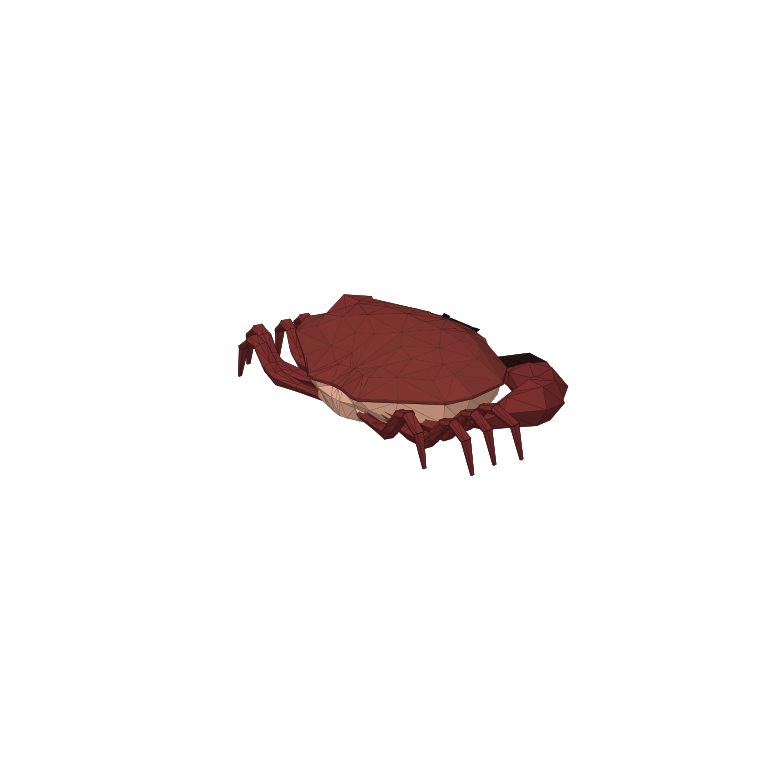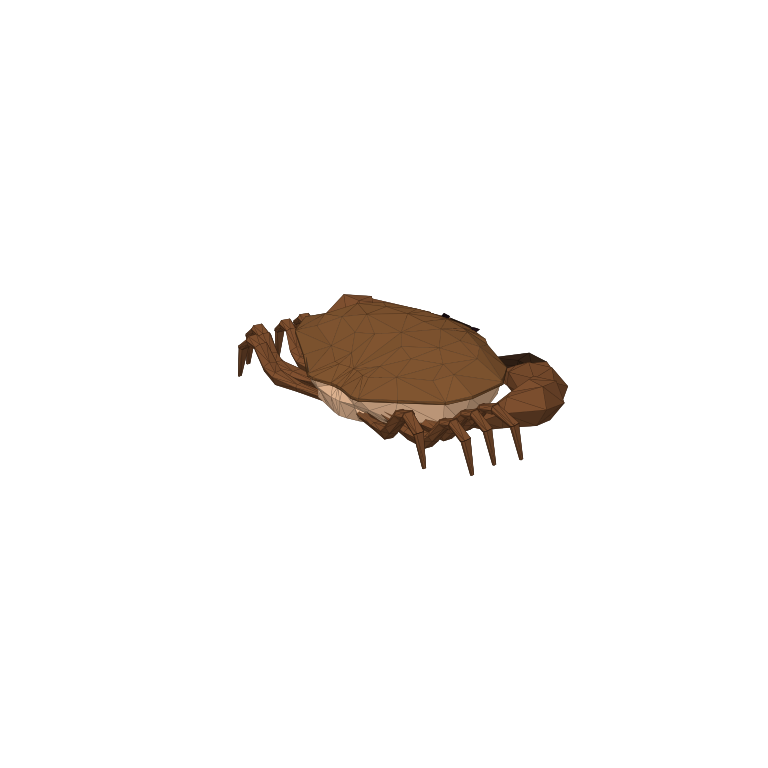
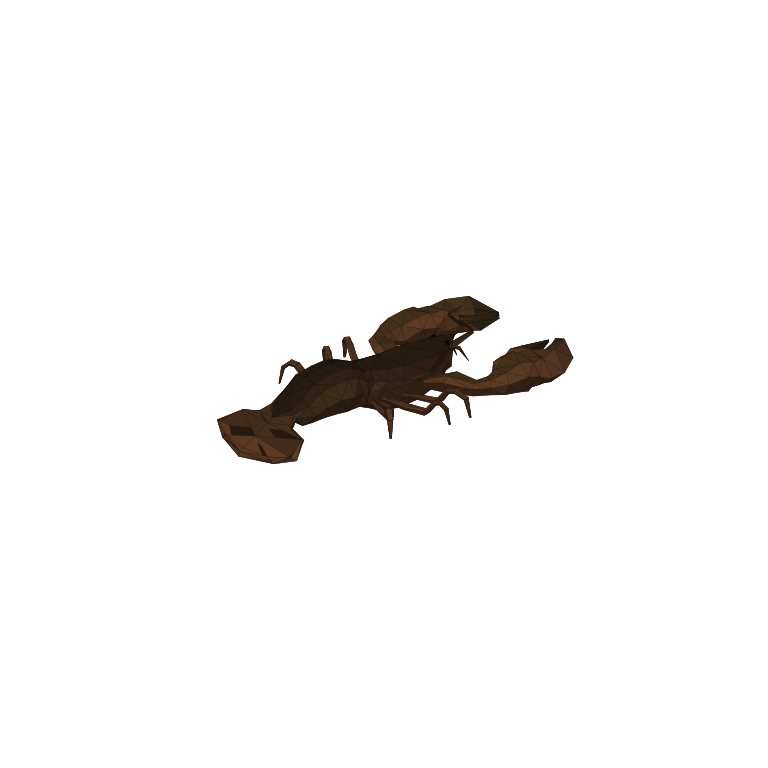
- Island reference
- Lighthouse
- Tool
- Crab Fishing Rod
- Bait or encounter
- Hot Dog
- Recorded raw base
- 9 coins
- Entry type
- Shell · not a boss
Game version and evidence: Entity facts retain the guide’s Patch 1.0.10 snapshot (2026-08-28); the newly written notes are not a current-build playtest. Fixed values are raw bases, not guaranteed sale offers. Patch 1.1.3 adds bait display after a first kill in Fishipedia; use your current game to check a returning catch.
Game imagery: How to Fish by Dazed Games. Rights remain with the respective owners. Media and source notes.
Complete the Hot Dog pair
Lobster and Rock Crab use the same recorded bait: a Hot Dog on the Crab Fishing Rod at the Lighthouse. If you already found the two default-pool shell creatures, this is the next setup to check for ordinary collection gaps.
There is no separate Lobster-only lure in this dataset. A run that also produces Rock Crab is still using the listed pairing.
Compare the opening shell values
The recorded base values are Brown Crab 3, Shrimp 5, Rock Crab 7 and Lobster 9 coins. Lobster is the largest fixed base among those four ordinary shell entries.
That ordering does not include Spider Crab and does not establish profit per cast. Keep the cost of bait and your actual sale modifiers separate from the 9-coin reference.
Choose Lobster for the right opening objective
Lobster belongs to the paid Lighthouse shell setup: Hot Dog on the Crab Fishing Rod. It is a sensible collection target after you have checked the bait-free Brown Crab and Shrimp entries, but the order is a planning suggestion rather than an unlock requirement. The useful distinction is the attached bait, because ordinary catches and the story boss share an island without sharing a trigger.
If Lobster alone is missing, buy for a limited collection attempt and check the entry when it appears. If cash is the goal, judge the complete Hot Dog haul rather than treating every Rock Crab result as wasted. Both species use this pairing. A preference for Lobster’s larger base does not create a documented way to select it on the next cast.
Compare nine coins with the actual basket
The historical Hot Dog purchase costs one coin. In a deliberately simple example, one unmodified Lobster sale of nine coins minus one bait purchase leaves eight before other spending. This is a transparent subtraction, not a measured average return. The example assumes that this is the purchase allocated to that sale; account for reuse, losses and additional supplies according to what actually happened in your session.
Consider a mixed example of one Lobster and one Rock Crab. Raw receipts are nine plus seven, or sixteen coins. If two Hot Dogs were bought for the trip, fourteen remains before equipment and recovery spending. If the crew still needs the ten-coin Radar, the example exceeds that line item, but it does not automatically prove the departure kit is ready. The keeper hand-in, keys and other intended supplies remain separate checks.
Understand what the opening value ranking excludes
Among the four ordinary shell entries with fixed bases, the order is Brown Crab three, Shrimp five, Rock Crab seven and Lobster nine. Each step is two coins. Clam is outside this fixed-price comparison because its base is not established. Spider Crab is outside it because it is the story encounter with a different trigger and a quest result that should not be treated as spare sale stock.
This is a narrow ranking of recorded raw values, not a ranking of all Lighthouse activities. It does not include how many attempts produce each species, how long an encounter takes, what a player spends to finish it or the collection importance of a first catch. Use the ordering to understand an object already in hand, then use your actual receipts and expenses to evaluate the trip.
Keep the result connected to the plan
Once the encounter is complete, decide whether the Lobster is being kept or sold before the crew begins broad inventory cleanup. The site’s basic opening loop includes food and sales, but this reference does not supply a Lobster-specific healing amount or cooking timetable. Avoid attaching an invented benefit to the nine-coin base; sale value and survival utility are different properties.
In co-op, a simple destination rule is more useful than arguing over which person caught the more valuable shell creature. Mark the objects intended for the next purchase, retain agreed food and keep the keeper’s quest items separate. The same discipline will matter more later when a defeated Tuna or whale body becomes a progression trigger. Lighthouse ordinary catches are a manageable place to establish that habit.
Troubleshoot the collection before changing islands
If you find only Brown Crab and Shrimp, check that the rod is actually using Hot Dog bait. If Rock Crab appears, the listed paid pool is producing an eligible result; that does not establish an error or a missing secret ingredient. No Lobster-specific time, weather or cast-count requirement is documented here. Choose a spending limit rather than responding to a short unlucky run with an unsupported targeting theory.
Before sailing, check whether Lobster is recorded and whether the original trip goal has been met. A completed ordinary creature entry and Boat Keys are different outcomes. Follow the Empty Beer Can, Spider Crab shell and keeper exchange for the latter, then check the separate Radar purchase. You can return for collection later without repeating the story explanation or assuming that an ordinary shell catch unlocks a new destination.
Guide images
View 5 related images