
- Island reference
- Desert Island
- Tool
- Fishing Rod
- Bait or encounter
- Coconut
- Recorded raw base
- Not established
- Entry type
- Special · not a boss
Game version and evidence: Entity facts retain the guide’s Patch 1.0.10 snapshot (2026-08-28); the newly written notes are not a current-build playtest. Fixed values are raw bases, not guaranteed sale offers. Patch 1.1.3 adds bait display after a first kill in Fishipedia; use your current game to check a returning catch.
Game imagery: How to Fish by Dazed Games. Rights remain with the respective owners. Media and source notes.
Use the specific Coconut pairing
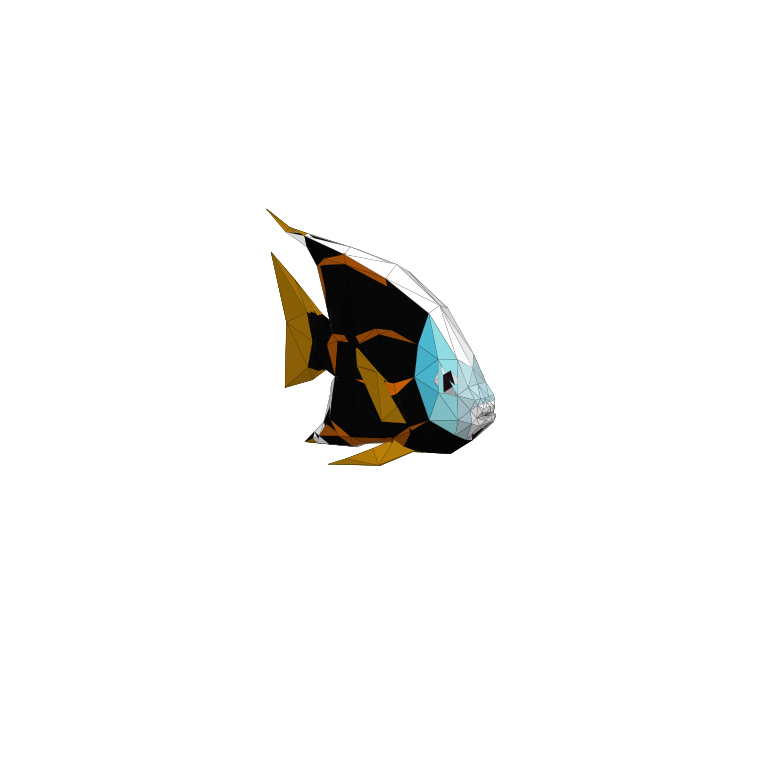
Bing Bong is classified as Special and uses Coconut bait with the Fishing Rod on the Desert route. The ordinary Standard Lure list is a separate setup.
If your regular Desert fish entries are complete but Bing Bong is missing, changing to the recorded Coconut pairing is the relevant distinction. A category label alone does not tell you whether a creature is fished or picked up.
Budget for collection first
No stable raw base value is recorded for Bing Bong. There is therefore no supported calculation showing that this catch pays for its setup.
Treat the attempt as an optional collection expense after checking what your current story route still needs. Record the result in the creature list instead of assuming the ordinary Fish category includes it.
Make the optional objective explicit
Bing Bong belongs to the Desert creature reference but uses Coconut rather than the ordinary Standard Lure. The Coconut has a recorded purchase price of 350 coins. That makes it a distinct collection expense to consider after checking the active Tourist and Pufferfish objectives, rather than a small automatic addition to every fishing session.
Start by confirming that the named entry is actually missing. If your current goal is opening Rocks, protect the resources needed for the accepted Tourist trade, Carrot encounter and fin delivery. A Bing Bong visit can be worthwhile for collection, but completing an optional entry and completing the Desert story are not the same stopping condition.
Use Coconut with the Fishing Rod
The documented setup is the Fishing Rod with Coconut bait. The Special classification does not mean you should search the ground, use the Crab Fishing Rod or try every item sold nearby. Compare the tool and bait fields together before interpreting a creature’s category as instructions for finding it.
Sea Urchin offers a useful contrast: it is also Special and belongs to Desert, yet its pairing is Standard Lure. Clam and Foot Snail are ground-pickup records on different islands. These comparisons show why a category-only checklist can lead to the wrong method. For Bing Bong, the specific Coconut pairing is the important starting distinction.
Do not turn an unpriced creature into a profit claim
The guide does not establish Bing Bong’s fixed raw sale value. Therefore it cannot support a claim that one catch pays back the 350-coin Coconut purchase, let alone ammunition and recovery spending. Calling the value zero would be equally unsupported. Plan the visit as a collection purchase unless your own current receipt gives you a narrower budget fact.
If you obtain a sale offer, record its conditions rather than treating every displayed figure as a raw base. Earned modifiers can affect a final offer. A personal receipt can tell you what that particular object contributes now, while a public base-value correction needs enough context to distinguish the creature’s starting value from its result under bonuses.
Compare the expense with other Desert purchases
The 350-coin Coconut reference is seventy coins above the 280-coin Standard Boss Lure used for Blue Shark. It is also more than twenty-three fifteen-coin Standard Lure purchases. These arithmetic comparisons explain the scale of the commitment, but they do not make the purchases interchangeable: each supports a different eligible creature or objective.
Choose from the missing goal rather than the largest possible sale. A Standard session can work on ordinary Desert names and Tourist candidates. The dedicated shark route supports the Grillmaster delivery. Coconut supports Bing Bong in this record. Reserve funds according to the task you actually need, keeping other required supplies outside the amount available for optional experiments.
Prepare before committing the special bait
Have a workable way to handle the creature you land, recovery supplies and a clear area before using the purchased setup. This is a general session-planning recommendation, not a claim that Bing Bong has a documented attack sequence or health threshold. The available reference does not supply those measurements, so a precise combat script would need separate evidence.
In co-op, agree whether the session ends after the named collection result or continues into other Desert work. One player can manage the intended bait while another keeps reserved story objects away from the ordinary sale stock. That separation prevents the optional trip from consuming the Carrot or an accepted Tourist candidate during a change of equipment.
Inspect the Special entry by name
After the relevant encounter, open Fishipedia and look for Bing Bong rather than assuming an unusual appearance satisfies the target. The site’s creature list includes non-Fish categories, while a personal list headed fish may omit them accidentally. Check the actual scope of your chosen collection goal before declaring the Desert roster complete.
For an already defeated rod creature, the bait-name information introduced in Patch 1.1.3 can help with a later setup check. This website’s checkbox is only a browser note, and another player’s completed entry does not establish the state of your save. Make the named in-game check before deciding to spend on another attempt.
Choose the next purchase from the remaining evidence
If Bing Bong is now recorded, return to the list and choose whether the next gap is an ordinary Standard creature, a boss route or story progression. There is no reason to keep purchasing Coconut solely because it produced an interesting result when the original collection objective is complete. A clear stopping rule protects the budget for the next island.
Guide images
View 5 related images