- Island reference
- Lighthouse
- Tool
- No rod
- Bait or encounter
- No bait (ground pickup)
- Recorded raw base
- Not established
- Entry type
- Special · not a boss
Game version and evidence: Entity facts retain the guide’s Patch 1.0.10 snapshot (2026-08-28); the newly written notes are not a current-build playtest. Fixed values are raw bases, not guaranteed sale offers.
Game imagery: How to Fish by Dazed Games. Rights remain with the respective owners. Media and source notes.
Start with a pickup
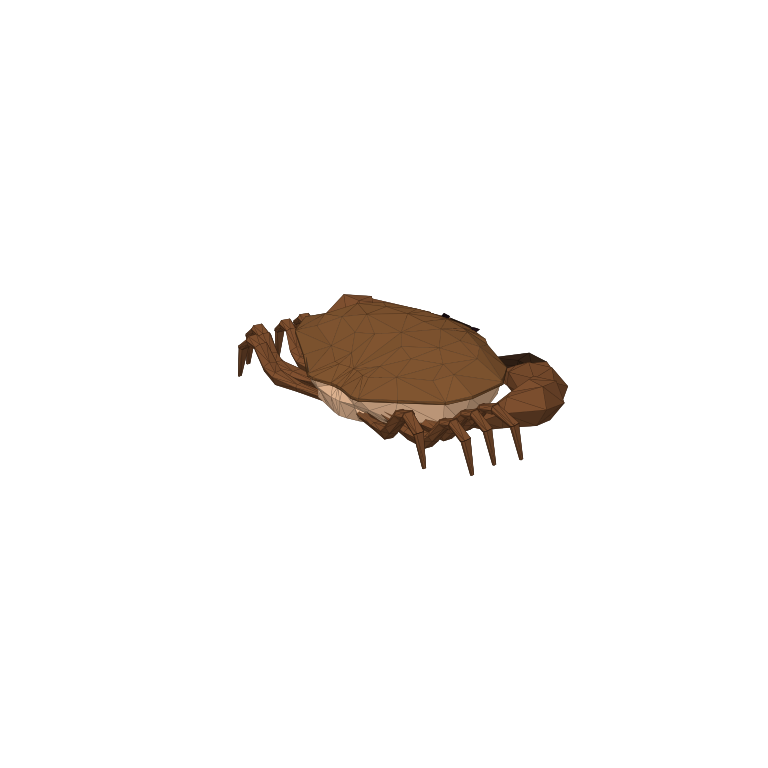
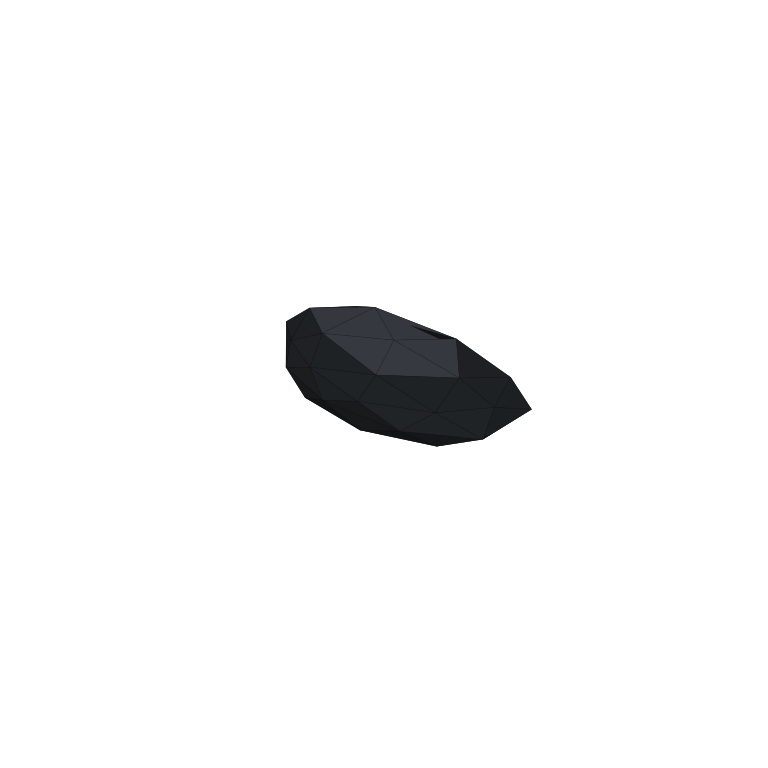
The Clam entry belongs to the Lighthouse ground-pickup group. Look around the shore before spending money on a fishing setup: the record lists neither a rod nor an attached bait for this creature.
This makes Clams a useful first collection check while you are still learning where the shops and quest characters are. Fishing longer with the Crab Fishing Rod is a different activity and does not substitute for checking the ground.
Do not budget an invented price
The reviewed table does not establish a fixed Clam base value. Check the offer shown in your own game before treating a handful of Clams as enough money for a purchase.
For a numerical comparison at the same island, Brown Crab has a recorded base of 3 coins and Shrimp 5. Those numbers belong to rod catches; they should not be assigned to Clams just because all three appear near the start.
Use Clams to separate collecting from fishing
Clam is a useful example of why a creature checklist should be organised by encounter method, not only by island. Lighthouse contains ground pickups, ordinary rod catches and a story boss. The Clam belongs to the first group. A visit spent only casting the Crab Fishing Rod can therefore leave this entry missing even when you have caught every familiar crab beside the starting area.
Make the ground search its own short task while learning the opening island. Check the shore, identify the pickup and then review the named collection entry before changing activities. This is a suggested order of work rather than a claim about a particular spawn coordinate. There is no reason in this reference to buy a Hot Dog, attach an Empty Beer Can or wait for a rod bite solely to find Clam.
Do not confuse a found item with a funded purchase
The important missing number is the Clam sale base. You can still make a sensible opening plan without it: inspect the actual offer before selling and compare that offer with the purchase you need. An unknown base prevents a reliable numerical promise, but it does not prevent deciding whether the current object is more useful as food, collection work or a sale in your session.
For example, the Lighthouse departure plan reserves ten coins for the Radar after the keeper exchanges. It would be unjustified to say that two Clams pay for it, because this reference cannot establish either Clam’s offer. If a sale is needed to close a known shortfall, use the displayed amount. Keep the difference between “I found two objects” and “I now have ten spendable coins” explicit.
Compare the other opening creatures by method
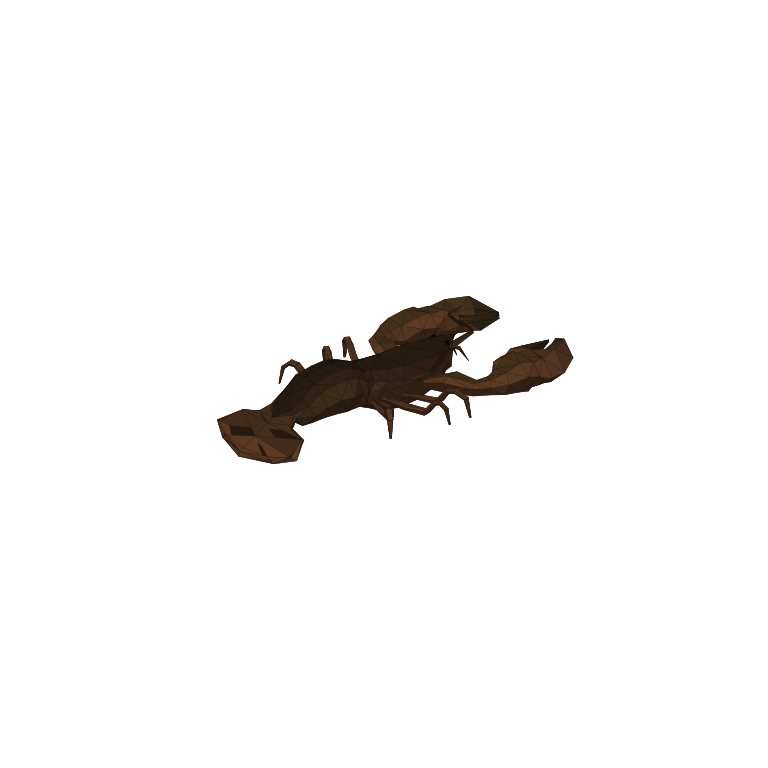
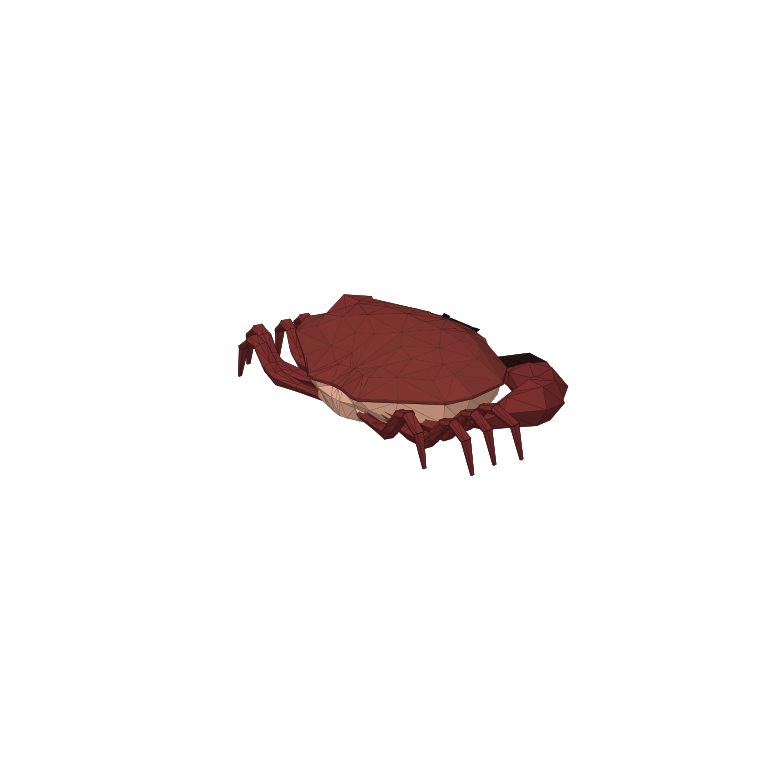
Brown Crab and Shrimp share the Crab Fishing Rod’s default pool, with recorded bases of three and five coins. Rock Crab and Lobster use Hot Dog bait and have bases of seven and nine. Those are four separately named rod entries. Clam does not become a fifth member of either bait pool simply because its image and island appear alongside the shell creatures in the directory.
This distinction also helps decide the next stop after finding a Clam. Missing Brown Crab points to the default rod setup. Missing Lobster points to Hot Dog bait. Missing boat access points to the Lighthouse Keeper’s Beer exchange and Spider Crab, not to ordinary creature collection. Read the purpose of the next task before changing equipment; the common island label does not mean the tasks are interchangeable.
Keep the opening inventory legible
Use a simple separation between replaceable finds, food you intend to keep and quest objects. Clam belongs in a different decision from the Empty Beer Can and Spider Crab shell. The can starts the story encounter, while the shell must return to the keeper for Boat Keys. A broad cleanup routine that treats every object as sale stock makes the opening harder to follow than the creature itself requires.
For a co-op crew, tell the person selling which finds may be used and which are reserved. This is particularly helpful when one player explores on foot while another practises rod catches. The suggested roles do not imply a shared collection unlock or a catch bonus. Each player should check the progress shown in their own game, while the website checklist only records the selections made in that browser.
Know when to stop searching
If Clam is the only gap you are pursuing, finding and checking that named entry is a clearer stopping point than filling a large pile of pickups. If you are following the campaign, switch back to the keeper sequence once the collection check is done. Extra searching may be enjoyable, but the reference does not identify a Clam quantity required to unlock the boat or the Forest route.
When the expected entry still appears absent, check the actual creature name and encounter method before buying supplies. A ground find and a crab caught on the rod are different observations. If the installed game changes the way this item is recorded, preserve the displayed name and relevant collection state for a correction. Do not replace the missing sale field with another creature’s number to make the page look complete.
Guide images
View 5 related images