- Island reference
- Desert Island
- Tool
- Fishing Rod
- Bait or encounter
- Standard Lure
- Recorded raw base
- 62 coins
- Entry type
- Fish · not a boss
Game version and evidence: Entity facts retain the guide’s Patch 1.0.10 snapshot (2026-08-28); the newly written notes are not a current-build playtest. Fixed values are raw bases, not guaranteed sale offers. Patch 1.1.3 adds bait display after a first kill in Fishipedia; use your current game to check a returning catch.
Game imagery: How to Fish by Dazed Games. Rights remain with the respective owners. Media and source notes.
Use the Standard setup
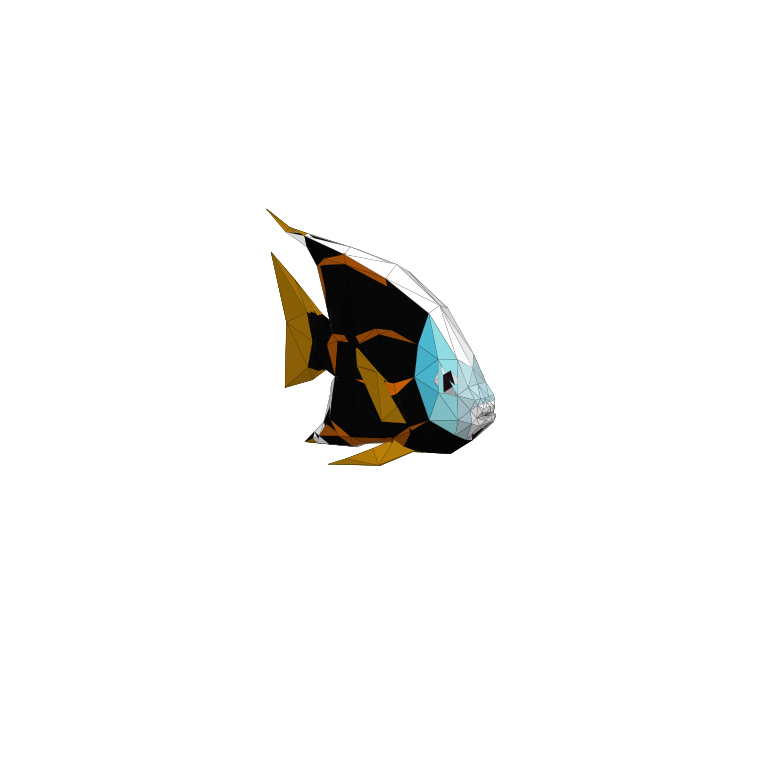
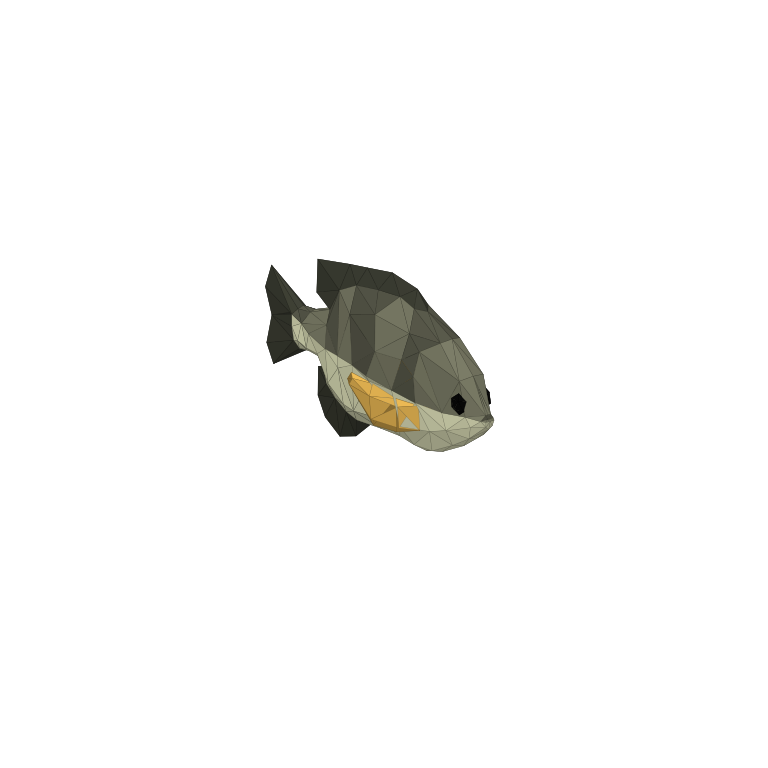
Bluegill is listed for the Fishing Rod and Standard Lure on Desert Island. It shares this tier with Angelfish, Needlefish and several lower-base ordinary catches.
Carrot bait belongs to the Pufferfish story encounter, not to the Bluegill pairing. Complete a Bluegill collection check through the ordinary lure pool.
Compare like-for-like base values
Bluegill and Angelfish are both listed at 62 coins before sale modifiers. Needlefish is 60, only 2 coins lower, but also has a recorded quest-trade use.
That trade use can matter more than the small price difference. Keep quest decisions separate from the raw-value comparison when deciding what to sell on the Desert route.
Choose whether this visit is for money or a missing name
Bluegill fits the ordinary Desert setup: Fishing Rod with Standard Lure. If the encyclopedia entry is missing, the named result is the stopping condition. If the goal is funding a purchase, other Standard catches can contribute too. Naming that purpose before buying tackle avoids treating a mixed haul as a failure just because Bluegill was not the next result.
Keep the campaign objective beside the money target. Ordinary fishing can pay for preparation, but Vacation follows the Tourist exchange and Pufferfish hand-in. A Bluegill sale can support that route without being the required delivery. Write down the missing step so a useful earning session does not hide an unfinished story conversation.
Use Angelfish as an equal-base comparison
Bluegill and Angelfish are each recorded at 62 coins before modifiers. An unmodified pair is therefore 124 coins whether it contains two Bluegills or one of each. This is a useful cash comparison for catches already obtained, but the two names still need separate checks for a collection goal.
Their matching bases also cannot establish identical health, behaviour or completion times. Those would require different evidence from a sale table. When comparing two actual offers, use the modifiers and conditions the game displays. A lower raw-base species with a different earned bonus should not be assigned a smaller final receipt automatically.
Subtract the actual Standard supply bill
The reference Standard Lure costs 15 coins. One unmodified Bluegill at 62 minus one such purchase leaves 47 before other expenses. For a pair at 124, two purchases leave 94, while one purchase leaves 109. These examples make the purchase-count assumption visible instead of quietly treating every cast as an identical expense.
For your trip, add actual sale receipts and subtract tackle, ammunition and recovery spending. Keep catches retained for food or a quest outside current cash income. The table does not provide a probability-weighted expected return, and it does not establish the number of casts supported by a lure. A realistic ledger uses what happened rather than a best-case sequence.
Do not let a two-coin advantage decide a quest
Needlefish’s recorded base is 60, just two coins below Bluegill. Yet Needlefish also has a reviewed Tourist trade use, while Bluegill is not listed as an accepted substitute. That difference in role is more important than the small raw-price gap when the Carrot objective is unfinished.
If a Needlefish appears during Bluegill fishing, check the current request and reserve it if suitable. Sell other surplus only after deciding which object is needed for delivery. If both Needlefish and Seahorse are available and accepted, compare their actual uses and offers; do not infer Tourist eligibility from a fish’s higher value or its presence in the same lure pool.
Change setup only when the next objective calls for it
The ordinary Standard pool is the documented Bluegill route. The Standard Boss Lure is a separate 280-coin purchase used for the dedicated Blue Shark encounter. Coconut is associated with Bing Bong, and the Carrot from the Tourist starts Pufferfish. All can matter on Desert, but their different purposes should guide the shopping list.
After recording Bluegill, check what remains. Other ordinary Standard gaps can justify staying with the same setup. Grill access points toward the shark delivery. The main exit points toward the Tourist and Pufferfish. This branching plan saves a vague return trip from becoming a series of unrelated purchases that never finish the original objective.
Give a mixed haul clear destinations
In a crew, one person can identify new named catches while another handles routine selling. Agree that quest candidates are checked before they enter the sale stock. This is an organizational suggestion, not evidence that party size changes Bluegill odds or produces a special sale bonus.
Record Bluegill in the relevant player’s Fishipedia rather than relying only on another player’s checklist. Because Angelfish shares the same base, recalling a 62-coin result later may not identify which species was caught. A brief named check at the encounter is more reliable than trying to reconstruct personal collection progress from the crew’s total income.
Use the recorded pairing to diagnose a return visit
If Bluegill remains missing, confirm Desert Island, the Fishing Rod and ordinary Standard Lure. Compare the full item names; a boss lure from the same tier is still a different purchase. Receiving another documented Standard entry means you should distinguish an unwanted result from an actual equipment mismatch.
Guide images
View 5 related images