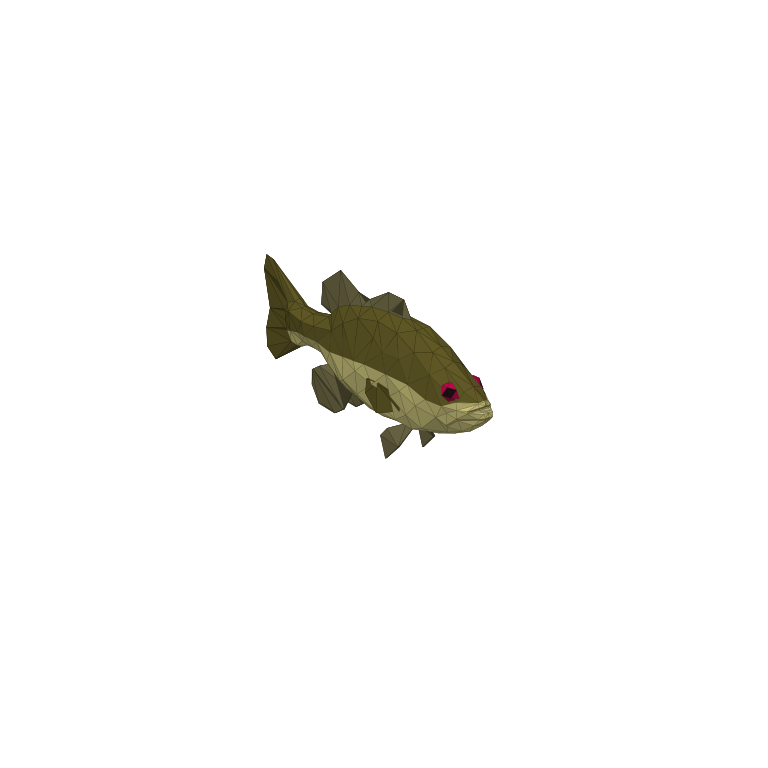
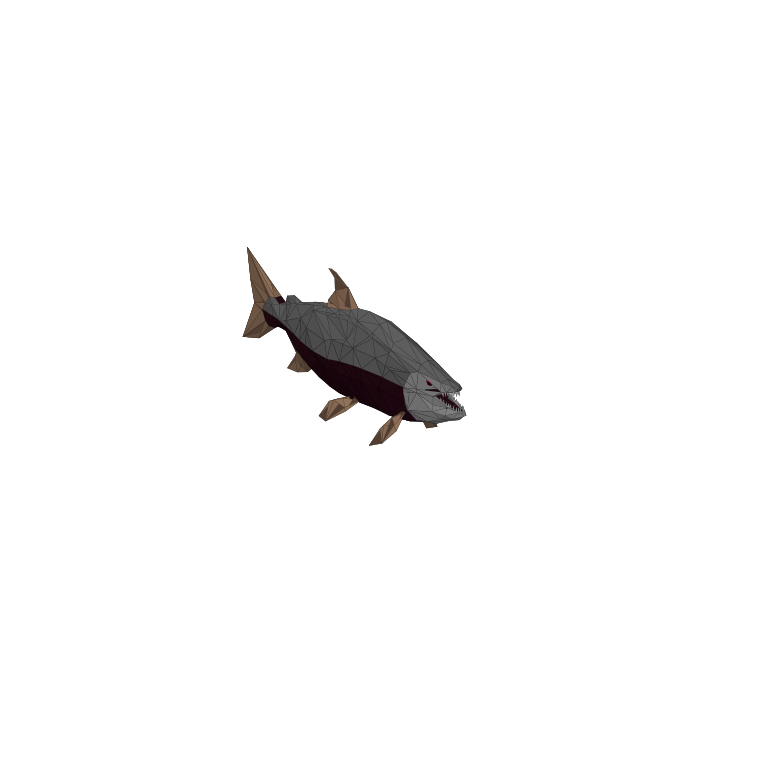
- Island reference
- Rocks Island
- Tool
- Fishing Rod
- Bait or encounter
- Professional Lure
- Recorded raw base
- 310 coins
- Entry type
- Fish · not a boss
Game version and evidence: Entity facts retain the guide’s Patch 1.0.10 snapshot (2026-08-28); the newly written notes are not a current-build playtest. Fixed values are raw bases, not guaranteed sale offers. Patch 1.1.3 adds bait display after a first kill in Fishipedia; use your current game to check a returning catch.
Game imagery: How to Fish by Dazed Games. Rights remain with the respective owners. Media and source notes.
Keep the lure tier and species separate
The Tigerfish entry uses the Fishing Rod and Professional Lure on Rocks Island. Several other ordinary creatures share that pairing, so buying the correct tier is not a promise of one named result.
Check Tigerfish specifically if you are closing collection gaps. A completed Halibut or Flying Fish entry does not cover it.
A value reference for the catch you have
Tigerfish’s recorded base is 310 coins. Flying Fish is 320 and Halibut is 290, putting Tigerfish 10 below one and 20 above the other.
Use the 310 base with the multiplier actually earned on the kill. Do not infer a special bonus or weakness from the creature’s name; neither is established by these retained facts.
Choose collection or a bonus attempt before casting
A first Tigerfish and a Tigerfish used for bonus practice are different objectives. For the first, the useful outcome is a completed encounter and a confirmed species entry. For practice, you are testing a specific finish and accepting the extra cost or risk that choice creates. Decide in advance which result matters so an optional trick-shot condition does not prevent a straightforward collection success.
The required historical pairing is uncomplicated: Fishing Rod, Professional Lure, Rocks Island. That same ordinary lure also covers Halibut, Flying Fish and several other creatures. A different result is not evidence that Tigerfish requires the 1,200-coin Professional Boss Lure. The latter is a dedicated Tuna purchase, and buying it to pursue an ordinary Tigerfish would mix two separate plans.
Compare value differences before adding difficulty
At the recorded bases, Tigerfish pays 310, Halibut 290 and Flying Fish 320 coins. The gap between Tigerfish and Flying Fish is only ten coins at 1×. By comparison, earning a different sale modifier can change the finished result much more. That does not mean a difficult bonus is always worth attempting: the extra ammunition, failed catches and time must still be counted.
For example, an assumed 2× modifier on a Tigerfish gives 620 coins gross. A Flying Fish sold at an unmodified 320 has the higher base but the lower result in that illustration. Neither input is a forecast. The example shows why a base-value ranking should not be confused with a completed-sale ranking, and why the bonus tool needs the conditions actually earned by the particular catch.
Practice one condition without losing track of spending
If a duplicate Tigerfish becomes a practice target, select one bonus condition to attempt instead of assembling the hardest possible stack. Use the bonus builder to understand the intended combination, then compare it with the game’s awarded result. A successful species catch alone does not prove that distance, airborne or another condition counted. Read the actual outcome before using the larger multiplier in an income estimate.
Reserve enough coins for the Rocks story plan before using supplies on optional attempts. The Professional Lure reference cost is fifty coins, while a dedicated Tuna setup is 1,200 before its fight costs. Repeated low-confidence attempts can consume the difference. A clear spending cap makes a practice session deliberate: stop when the agreed amount is spent, even if one more catch might deliver the preferred condition.
Separate the species record, body and cash result
After defeating Tigerfish, check whether its named Fishipedia entry is complete. The directory’s manual tick is convenient for planning but does not read the game save. In co-op, one player can manage the catch while another handles the collection check and sale pile. Agree what is retained before shopping, particularly if a Tuna body is also being protected for the story encounter.
The 310-coin base is not a promise that the current shop will show exactly that number. Modifiers and the state of the catch can affect the sale, and this page retains historical coverage rather than claiming a new balance test. Use the shown offer for the immediate purchase decision. If it differs, first identify the modifiers before treating the difference as a changed raw base.
Turn the completed catch into the next useful action
One illustrative unmodified Tigerfish sale less one fifty-coin lure purchase leaves 260 coins before other expenses. Three such completed sales would gross 930; with three separate purchases the difference is 780. These figures help reconcile a real receipt sequence, but a Professional pool trip need not produce three Tigerfish. Include the other species you actually sell rather than forcing a mixed haul into the example.
If collection is finished and the reserve is sufficient, leave bonus practice for a later visit and prepare the Tuna-to-Albatross chain. If Tigerfish remains missing, verify the ordinary lure and use the returning-creature bait hint when available. Do not introduce a time-of-day rule or a special weakness merely to explain a short run of other species. The documented setup and your current in-game result are the useful checks.
When comparing two possible finishes, put the dependable result beside the experimental one before spending. A plain 310-coin receipt is a concrete contribution to the trip. A larger number displayed by the bonus builder is only a proposed outcome until the conditions are awarded. Choosing the plain finish for the first entry leaves the optional challenge available for a later duplicate without sacrificing today’s collection objective.
Guide images
View 5 related images