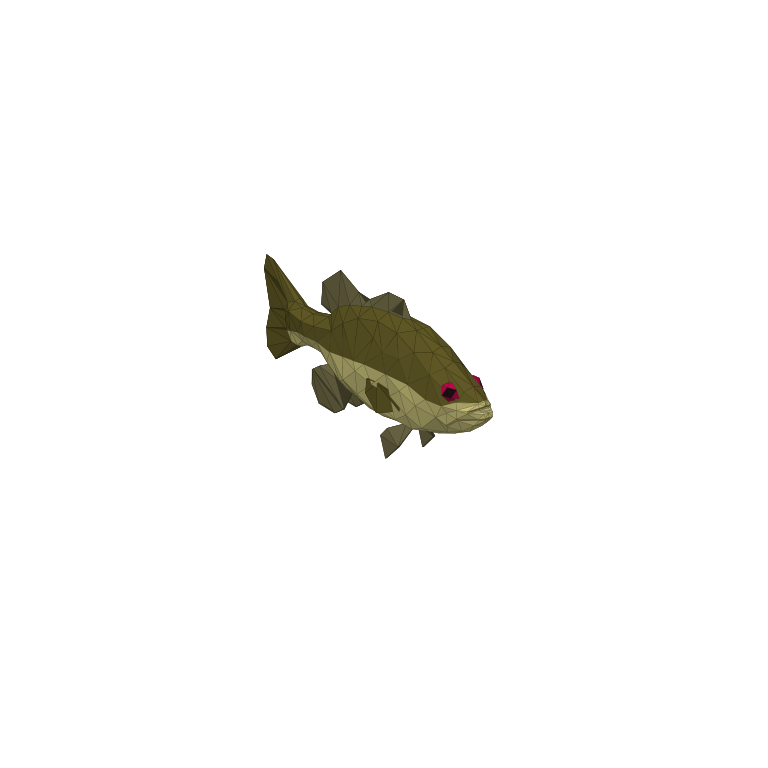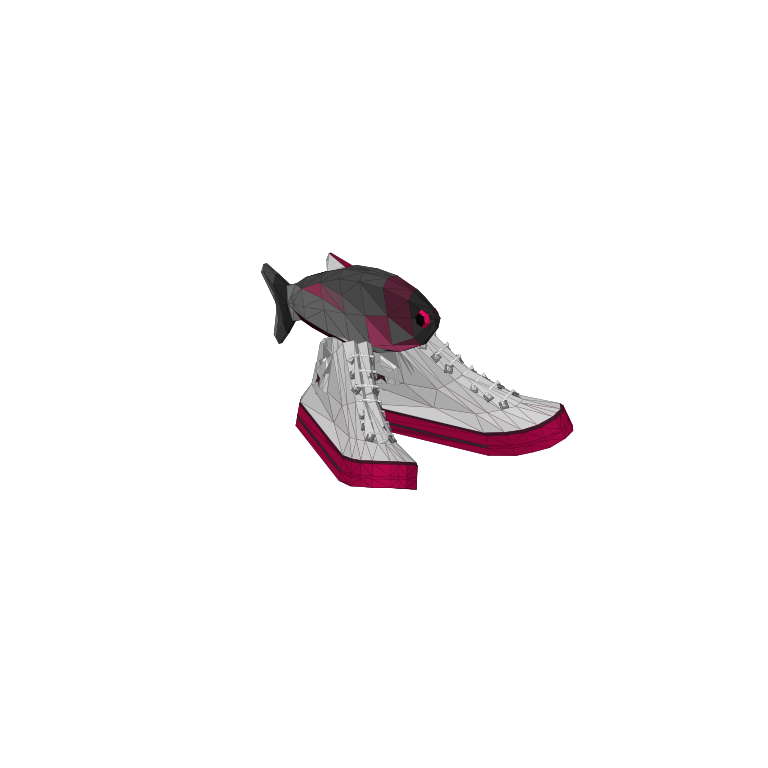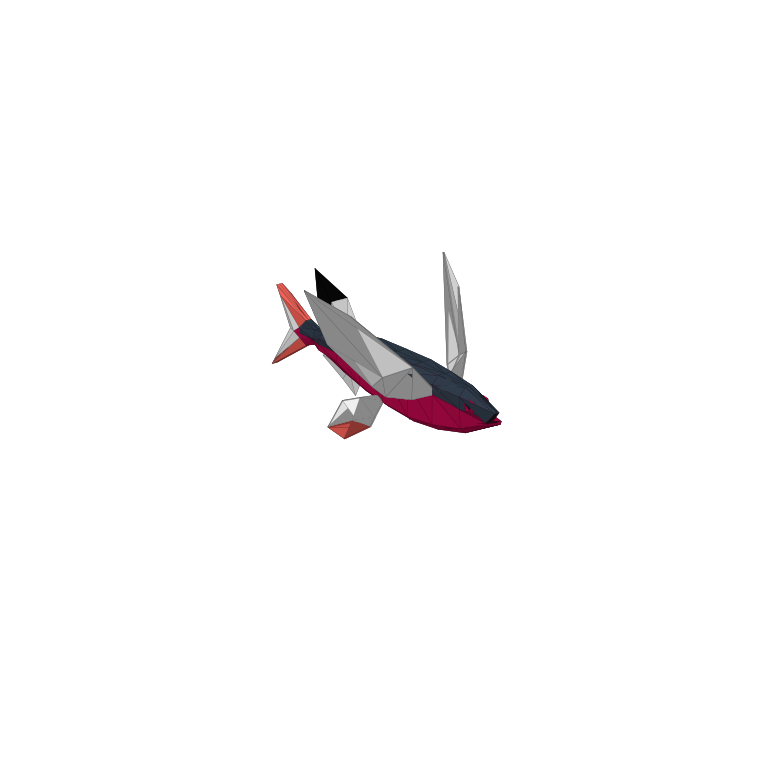
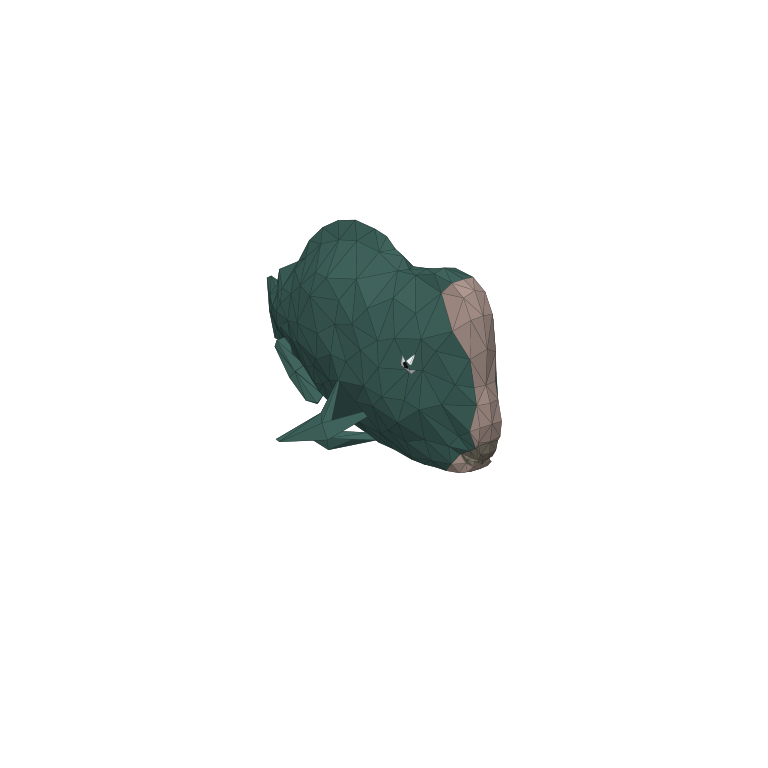
- Island reference
- Rocks Island
- Tool
- Fishing Rod
- Bait or encounter
- Professional Lure
- Recorded raw base
- 350 coins
- Entry type
- Fish · not a boss
Game version and evidence: Entity facts retain the guide’s Patch 1.0.10 snapshot (2026-08-28); the newly written notes are not a current-build playtest. Fixed values are raw bases, not guaranteed sale offers. Patch 1.1.3 adds bait display after a first kill in Fishipedia; use your current game to check a returning catch.
Game imagery: How to Fish by Dazed Games. Rights remain with the respective owners. Media and source notes.
Move to Professional Lure
The Parrotfish pairing is Fishing Rod plus Professional Lure on Rocks Island. This is the regular tier; Professional Boss Lure serves the dedicated Tuna encounter.
If your goal is a broader Rocks collection, review Parrotfish alongside Voxelfish, Flying Fish and Tigerfish. Those ordinary species share the same listed lure.
Largest known ordinary base in this tier
Parrotfish is listed at 350 coins and Voxelfish at 340. Among the ordinary Professional entries with fixed values, 350 is the largest recorded base; Dripper remains unpriced.
The 10-coin gap between the leading known values is much smaller than their difference from earlier island catches. No spawn-rate or fight-time data is supplied, so the table does not prove Parrotfish is the fastest money farm.
Set a Rocks budget before starting
Parrotfish belongs to the regular Professional Lure setup on Rocks Island, using the Fishing Rod. Its 350-coin raw base makes it a useful reference when planning a purchase, but the target of the trip should still be clear: a collection gap, a weapon budget or supplies for the linked Tuna and Albatross route.
Write down the full amount needed for the next encounter before treating every sale as money for upgrades. Professional Boss Lure has a 1,200-coin reference cost, and a crew following that Tuna route also needs preparation for the later bird. A high-base ordinary catch can help fund the plan without replacing any of those steps.
Read the leading known bases together
Parrotfish’s 350 is ten above Voxelfish at 340 and thirty above Flying Fish at 320. These are close alternatives within the same regular Professional setup. The difference between a hypothetical pair of Parrotfish and a Parrotfish plus Voxelfish is only ten raw coins: 700 versus 690 before modifiers.
That comparison concerns completed catches. It does not prove that waiting for Parrotfish is faster than using a Voxelfish already landed. Dripper also belongs to the Professional reference but has no established fixed base, so 350 is best described as the largest documented ordinary base in this group, not a verified ceiling for every possible result.
Make the fifty-coin cost assumption visible
Professional Lure has a fifty-coin recorded purchase price. Under a deliberately simple example, selling one unmodified Parrotfish at 350 and subtracting one such purchase leaves 300 before ammunition, food, failures and other expenses. Two separate purchases for two such sales would leave 600 before those additional costs.
Use actual purchases in your own ledger. The example does not establish consumption per cast or guarantee that a Professional purchase leads to Parrotfish. A reused lure, a lost catch, an unsold body or a different modifier changes the accounting. Keep those circumstances visible instead of turning the largest base in the table into a universal net-profit number.
Distinguish ordinary income from the Tuna trigger
Professional Lure and Professional Boss Lure share a route tier but serve different shopping decisions. The ordinary pool contains Parrotfish and other Rocks entries. The 1,200-coin boss lure provides the dedicated Tuna encounter. A high-value Parrotfish is useful sale stock, but it is not documented as the body required to attract Albatross.
If Tuna appears during ordinary Professional fishing and the story chain is still open, review its next use before selling it. The Tuna body is the trigger to protect, followed later by the Albatross head for the frightened islander. A Parrotfish money plan should support that progression rather than quietly counting a required body as spending money.
Evaluate a mixed Professional session
A sample unmodified haul containing Parrotfish, Voxelfish and Bass has recorded bases totaling 940 coins: 350 plus 340 plus 250. If it involved three separate fifty-coin purchases, the difference is 790 before other supplies. The chosen species are illustrative accounting inputs, not a forecast for three casts.
This way of comparing results is more useful than rejecting the lower-base Bass as a failed Parrotfish attempt. A mixed session can still meet a planned shopping target or add missing names. Use the actual final offers and the full supply bill to decide whether to continue, rather than comparing every catch with the best raw result in isolation.
Check the first named result before sorting bodies
For collection, open Fishipedia and inspect Parrotfish explicitly after the relevant encounter. The Professional tier has several separate names, and a completed lure setup is not a completed roster. When a crew is selling quickly, do the identification check before the body disappears from the working area.
Once the collection question is settled, assign the catch to sale, retained food or another intended use according to your current state. The 350-coin base is not a documented cooked price or universal healing value. Use the money and cooking guides for those separate systems instead of deriving them from the creature’s position in the raw-value comparison.
Check the remaining gap before another purchase
If Parrotfish is recorded and the purchase budget is met, the useful next step may be resupply or the story trigger rather than more ordinary fishing. If several Professional names remain, continuing the same setup can serve collection. Choose from those remaining objectives instead of assuming the highest raw base always justifies another session.
Guide images
View 5 related images