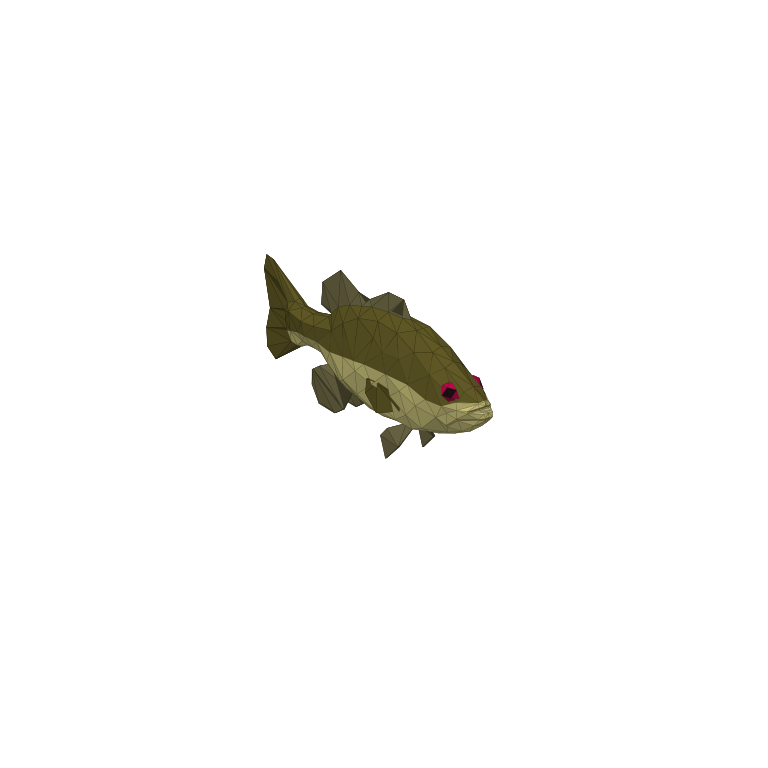
- Island reference
- Rocks Island
- Tool
- Fishing Rod
- Bait or encounter
- Professional Lure
- Recorded raw base
- 250 coins
- Entry type
- Fish · not a boss
Game version and evidence: Entity facts retain the guide’s Patch 1.0.10 snapshot (2026-08-28); the newly written notes are not a current-build playtest. Fixed values are raw bases, not guaranteed sale offers. Patch 1.1.3 adds bait display after a first kill in Fishipedia; use your current game to check a returning catch.
Game imagery: How to Fish by Dazed Games. Rights remain with the respective owners. Media and source notes.
Use the Rocks setup for this entry
Bass belongs to Rocks Island in the reviewed table and uses the Fishing Rod with Professional Lure. The familiar real-world fish name is not evidence of an earlier in-game location.
If Bass is missing, compare your attached lure with the recorded tier before returning to the Forest Beginner pool.
The lower end of a more expensive tier
Bass is listed at 250 coins, the lowest fixed base among the ordinary Professional Lure entries with documented values. Eel, Sengarat and Red Snapper are each 280.
Even this lower recorded value is much higher than the early-island fish bases, but the setup also belongs to a later tier. Compare actual costs and returns within the same stage before declaring a farming strategy profitable.
Follow the Rocks record rather than the familiar name
Bass is a familiar fish name outside the game, but this reference places the creature on Rocks Island with the Fishing Rod and Professional Lure. Returning to an earlier island because the name sounds ordinary is not supported by that pairing. Start by matching the actual equipment record and the remaining Fishipedia entry.
A Bass visit can be part of a wider Rocks cleanup. List it separately from Eel, Halibut and the other Professional names, then check each new result. The lure tier describes the eligible group, while a collection objective concerns individual names. Keeping both levels visible prevents one ordinary catch from being remembered as completion of the whole pool.
Understand the lower documented base without dismissing it
Bass is recorded at 250 coins, the lowest fixed raw base among the ordinary Professional entries with known values. Eel, Sengarat and Red Snapper are each 280, a difference of thirty. Dripper’s fixed value remains unrecorded, so the comparison should not silently give it a number or include it in a fully priced ranking.
A lower base does not establish a worse catch for every purpose. A missing Bass entry can be the point of the visit, and a completed Bass sale can still contribute to the next purchase. The table does not document species-specific odds, health or fight time, so it cannot identify the best hourly money route from base ordering alone.
Use the ordinary lure price in an example
Professional Lure has a fifty-coin reference purchase price. One hypothetical unmodified Bass sale of 250 minus one purchase leaves 200 before ammunition, food, losses and other expenses. Three such sales total 750; if the session required three purchases, the difference is 600 before the remaining supply bill.
Those examples are deliberately conditional. They do not claim that three purchases produce three Bass, and they do not establish lure consumption per catch. Record the actual purchases and receipts in your own run. If a catch is retained instead of sold, its base remains a reference value rather than cash already available for the shopping plan.
Evaluate the haul instead of rejecting its cheaper result
A sample unmodified haul with Bass, Eel and Voxelfish totals 870 coins: 250 plus 280 plus 340. Replacing Bass with Parrotfish would increase that hypothetical total by one hundred, but the comparison does not give you control over which creature appears next. A mixed session can serve both collection and a realistic purchase budget.
Use actual final offers when making the sale decision. Modifiers can change the relationship between raw bases, and expenses can erase an apparent advantage. If the intended equipment budget is met, a lower-base Bass does not need to be treated as a failed attempt just because a larger figure exists elsewhere in the regular pool.
Protect the Tuna and Albatross reserve
The dedicated Professional Boss Lure costs 1,200 coins in the historical record and serves Tuna. Bass belongs to the ordinary Professional setup instead. Several ordinary sales may help fund the boss purchase, but buying that lure is only one part of readiness: the later Albatross encounter also needs suitable equipment and supplies.
If Tuna appears during regular fishing and the story is unfinished, consider its body before including it in the sale stock. The progression sequence uses defeated Tuna to attract Albatross and then the bird’s head for the frightened islander. A Bass earning session should preserve those objects if they appear in the route, rather than counting their potential sale values as guaranteed spending money.
Assign each result a job before cleanup
Separate new collection checks, sale stock and any retained supplies. A first Bass encounter can finish a named gap even if the body later serves a routine use. Make that collection check while the name is clear, then follow the money or cooking guide for the system you are actually using.
The 250-coin reference does not specify a cooked sale offer, food recovery amount or heating duration. It also does not say Bass is easier to handle than a higher-base species. Prepare a usable encounter area and the supplies appropriate to your session, then judge the result from what the game shows rather than extrapolating unrelated properties from the price.
Review the setup and the unfinished objective
If Bass remains missing, check Rocks Island, Fishing Rod and the regular Professional Lure. Other documented Professional results indicate a mixed pool, not automatically a wrong purchase. If the problem is that the next island remains locked, inspect the Albatross head hand-in instead; more Bass catches do not replace that delivery.
Guide images
View 5 related images