- Dedicated lure route
- Beginner Boss Lure
- Campaign role
- Optional; does not replace Giant Piranha
- Body decision
- Collection record, eating objective or sale
Game version and evidence: Campaign encounter facts cover the launch route reviewed for Patch 1.0.10. This rewritten guide is not a new gameplay test. Later updates add encounters; check Fishipedia and the update archive for your installed version.
Game imagery: How to Fish by Dazed Games. Rights remain with the respective owners. Media and source notes.
Choose the encounter for the goal you have
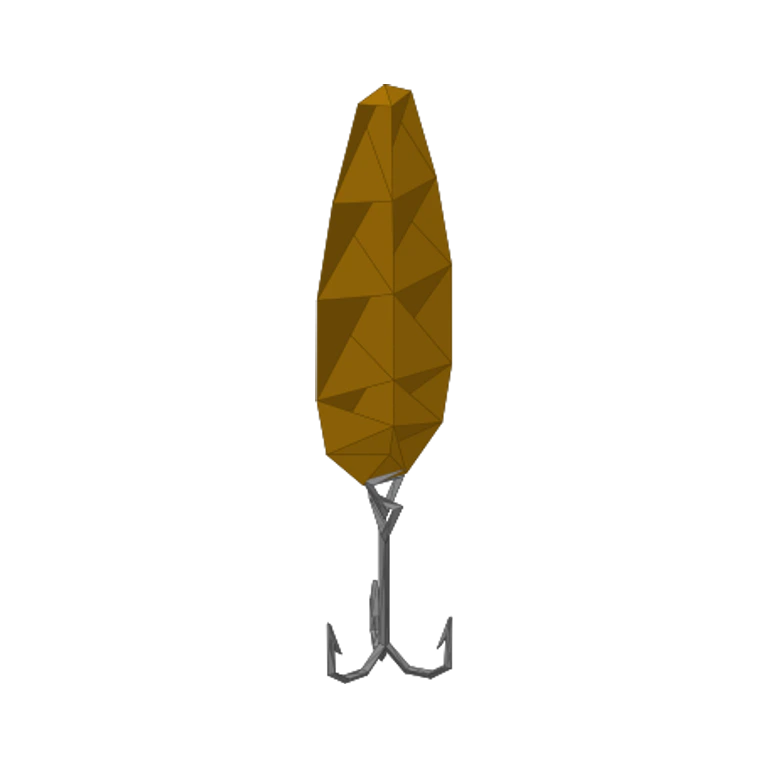
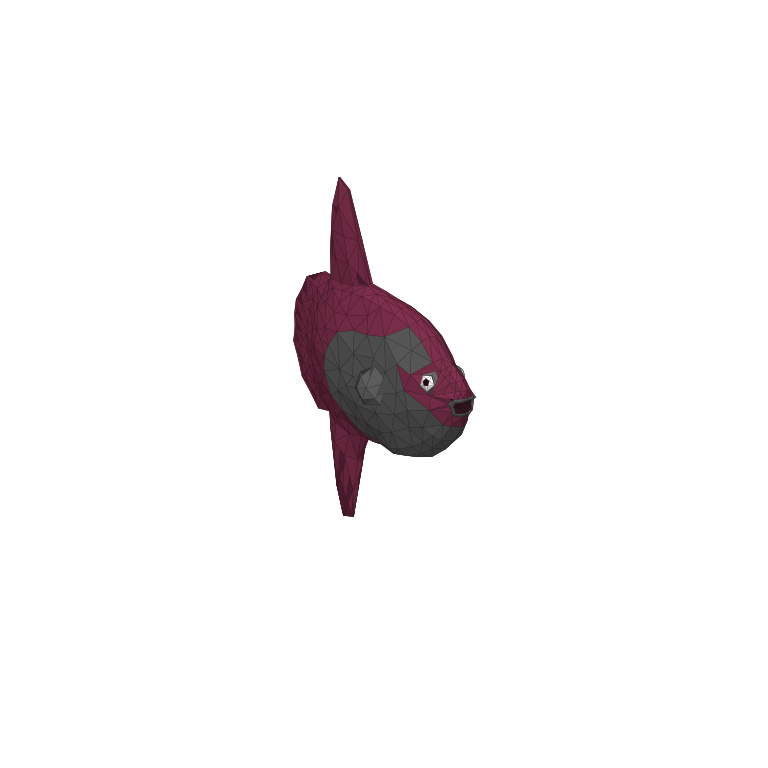
Sunfish is an optional Forest mini-boss in the reviewed lure route. Use a Beginner Boss Lure when deliberately targeting the island’s boss-lure pool. An ordinary-lure appearance has also been reported in the reference data, but this guide does not assign it a guaranteed rate.
Giant Piranha is the Forest story encounter. Defeating Sunfish will not complete the three-Leech trade or replace the dinner quest trophy.
Keep the attempt proportionate to the reward
Bring a dependable early weapon, enough ammunition and healing to recover from mistakes. Protect the money needed for your next story objective before buying extra lures for collection cleanup.
If you want the mini-boss eating achievement, decide that before the fight so you do not automatically sell the body afterward.
Take a controlled clear before attempting a stunt
Work from a position with room to move and use consistent attacks. The fact that this is an optional encounter does not make running out of supplies useful; reset your position when the creature gets too close.
Avoid spending premium ammunition merely to shorten a cleanup encounter unless you have a separate timed objective. This guide does not promise a particular kill time or weapon threshold.
Choose what to do with the defeated body
Check the collection entry after the kill. For Competitive eating, the official requirement concerns consuming a mini-boss; Sunfish is the suggested target in the reviewed route. Keep it until you are ready to attempt that action.
If you only needed the collection record, you can make a separate sale or cooking decision afterward. The Old Pike is another Forest entry to check rather than assuming one boss-lure catch completed the whole island.
Choose a Forest setup for the missing entry
Sunfish occupies an unusual position in the historical reference: it appears in the Beginner Boss Lure pool and is also recorded among regular Beginner Lure outcomes. The boss-focused purchase costs 40 coins; the ordinary lure costs three. These prices do not establish catch odds, so dividing 40 by three cannot tell you how many ordinary attempts are equivalent to one boss-focused purchase.
If several ordinary species are missing, a regular fishing visit can serve those goals while leaving room for a reported Sunfish result. If the remaining task is specifically the boss-lure collection group, the dedicated setup is the clearer reference route. Neither choice guarantees that the next result will be Sunfish, because The Old Pike is another recorded boss-lure entry.
Check the exact Fishipedia gap before choosing. Giant Piranha is a different story encounter that follows the three-Leech exchange. A missing island unlock should take you to that quest, not to repeated Sunfish attempts. A missing Sunfish record is a collection question, even if the main Forest route is already complete.
Do not treat the raw base as easy profit
Sunfish has a recorded raw base of 50 coins. In a simple illustration with one 40-coin lure purchase, a 1× sale leaves a ten-coin difference before ammunition, food and other expenses. That is not an expected return for a boss-lure cast, because the reference does not establish the catch mix, success rate or the modifier earned by your encounter.
If you keep the body for Competitive eating, there is no sale receipt from that catch in the cash ledger. The useful return is progress towards a completion goal. Keeping that distinction explicit prevents a player from assuming the same body both funded the next purchase and completed the eating objective.
The Pistol’s historical 50-coin shop reference and the Shotgun’s 150-coin reference are also purchases, not total attempt costs. A weapon already owned and supplied can be a better fit for an optional cleanup trip than an upgrade bought solely to shorten a single encounter. Preserve the funds needed for the Forest story or the next destination before committing to another collection attempt.
Keep the clear simple enough to preserve the body
Use the documented ranged approach to lower the creature while keeping a clear path to move. The purpose is a controlled encounter ending with a recoverable body. A special trick shot can be a separate goal, but it should not be silently added to a first collection attempt that is already using limited supplies.
When the creature closes in, regain room before spending the remaining ammunition. Choose shots you can identify rather than attempting a premium finish simply because a bonus might raise the sale number. The retained notes recommend conserving high-cost ammunition; they do not establish a fixed cheap weapon threshold or a no-damage strategy.
Keep the working area organized so the defeated mini-boss can be distinguished from ordinary sale stock. This is useful in solo play and particularly important when another player is collecting bodies to clear the ground. Say before the fight whether this Sunfish is for collection, food, an achievement attempt or cash.
Prepare Competitive eating before the cleanup
Competitive eating asks for consumption of a mini-boss in the official achievement record. Sunfish is the suggested practical target in the older route, so reserve it rather than selling first and deciding about the achievement later. The guide does not provide a current measured consumption time or promise a particular condition for every player in a group.
Confirm that the body is the mini-boss you intended to keep, then follow the game’s available consumption interaction. Do not replace the named objective with eating several ordinary fish and assume the count will stand in for the requirement. Check Steam or the in-game achievement result after the action.
If the attempt does not award credit, record what actually happened: the creature name, action completed, installed version and personal achievement state. That makes the distinction between an interrupted interaction and a changed requirement clearer. It is better evidence than assuming the achievement must be broken because the Sunfish encounter was won.
- 1. Check whether Sunfish and the eating objective are still missing.
- 2. Choose the documented lure setup while protecting the story budget.
- 3. Prepare a straightforward fight and recover the body.
- 4. Check the collection entry, then perform the intended consumption or sale action.
- 5. Confirm the relevant personal result before leaving Forest.
Give the next visit a stopping condition
A cleanup trip can easily expand into repeated boss-lure purchases if its goal is vague. Decide whether you are stopping after Sunfish credit, an eating attempt or both. If The Old Pike remains missing afterward, that is a new named target, not evidence that the Sunfish task failed.
In co-op, one player can protect the reserved body while another checks the remaining Forest objectives. Do not assume a collection mark or achievement on one save establishes everyone’s result. Later updates also add creatures beyond the launch reference, so clearing the Forest mini-boss pair is a useful local milestone rather than proof that the whole current bestiary is complete.
Keep a modest result useful
A Sunfish that fills a missing record can make a trip worthwhile even when its raw sale value looks small. Check that result first, then decide whether consumption or cash is the remaining goal. If the crew needed money for a required purchase, compare the actual receipt and supplies with ordinary Forest fishing rather than declaring the mini-boss automatically better because it has a boss label. The 50-coin base describes the catch before modifiers, while a useful collection entry and Competitive eating describe separate outcomes that are not interchangeable with that number.
Guide images
View 3 related images